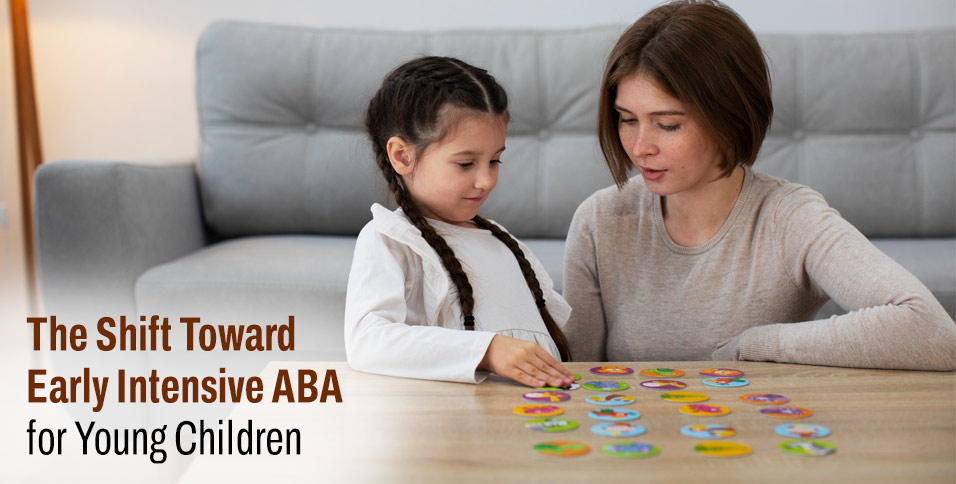
Over the past decade, there has been a noticeable shift in how autism services are delivered to young children. Increasingly, families, clinicians, and educators are prioritizing early intensive interventions that focus on skill development during critical stages of growth. Among these approaches, Applied Behavior Analysis (ABA) has become a widely recognized and evidence-based method for supporting children with autism spectrum disorder.
This shift toward earlier and more structured care reflects a growing understanding of how early experiences shape long-term outcomes. As awareness increases, many families are exploring structured treatment options such as in-center ABA therapy to provide consistent, developmentally appropriate support during early childhood.
Why Early Intervention Matters
Early childhood is a period of rapid brain development. During these formative years, children acquire foundational skills related to communication, social interaction, emotional regulation, and daily functioning. When developmental delays or behavioral challenges are addressed early, children often have greater opportunities to build skills that support long-term independence.
Research consistently shows that early intervention can improve outcomes for children with autism. Early support may help children develop language skills, reduce challenging behaviors, and strengthen social engagement. These gains can positively influence later success in school and community settings.
Early intensive ABA programs are designed to take advantage of this developmental window by providing structured, individualized learning experiences tailored to each child’s needs.
Understanding Early Intensive ABA
Early intensive ABA typically involves a higher number of therapy hours per week, often delivered in a structured setting. The goal is to create consistent learning opportunities that reinforce positive behaviors and teach new skills in manageable steps.
ABA therapy is rooted in the science of learning and behavior. Therapists use data-driven techniques to identify which strategies are effective and adjust treatment plans accordingly. Skills are broken down into smaller components, allowing children to practice and master them over time.
Early intensive programs often focus on areas such as communication, play skills, social interaction, self-help tasks, and emotional regulation. These skills form the building blocks for future learning and independence.
The Benefits of Center-Based ABA Programs
As demand for early intervention grows, many families are choosing center-based models for ABA services. In-center programs offer a structured environment designed specifically for therapeutic learning.
Consistency and Routine
Young children often benefit from predictable routines. Center-based programs provide consistent schedules, familiar environments, and clear expectations, which can reduce anxiety and support learning.
Access to Specialized Resources
Therapy centers are equipped with materials, tools, and spaces that support skill development across multiple domains. Children may practice social skills with peers, work on fine and gross motor activities, and engage in structured play designed to promote communication.
Collaboration and Supervision
In-center settings allow for close collaboration among therapists, supervisors, and clinical teams. This collaboration supports high-quality care, regular progress monitoring, and timely adjustments to treatment plans.
Why Families Are Choosing Early Intensive Care
Several factors are contributing to the growing preference for early intensive ABA programs.
Increased Awareness and Diagnosis
Greater awareness of autism has led to earlier screening and diagnosis. As children are identified at younger ages, families are seeking interventions that can begin immediately and address developmental needs proactively.
Emphasis on Evidence-Based Treatment
Families are increasingly informed about treatment options and often prioritize approaches supported by research. ABA remains one of the most widely studied interventions for autism, particularly in early childhood.
Desire for Long-Term Skill Development
Rather than focusing solely on short-term behavior management, many families are looking for interventions that build lasting skills. Early intensive ABA programs aim to support meaningful progress that carries into later stages of life.
Addressing Concerns About Intensity
While early intensive ABA offers many benefits, it is important that programs are individualized and responsive to each child’s needs. Intensity should be balanced with opportunities for rest, play, and enjoyment.
Quality programs emphasize positive reinforcement, child-centered goals, and ongoing communication with families. When therapy is tailored appropriately, intensity supports growth without overwhelming the child.
Parents play a crucial role in this process by collaborating with providers, sharing insights about their child, and participating in goal setting.
The Role of Mental Health and Developmental Support
Autism is a neurodevelopmental condition that affects communication, behavior, and social interaction. Understanding it through a developmental and mental health lens helps ensure that children receive comprehensive, compassionate care.
According to information on autism and child development from the National Institute of Mental Health, early diagnosis and intervention are key factors in supporting positive developmental outcomes. This perspective reinforces the importance of timely, evidence-based services during early childhood.
Integrating developmental support with behavioral therapy allows providers to address both skill acquisition and emotional well-being.
Measuring Progress and Adjusting Care
A defining feature of ABA is its emphasis on data collection and analysis. Therapists regularly track progress to determine which strategies are effective and where adjustments are needed.
This ongoing evaluation ensures that therapy remains responsive as children grow and their needs change. Goals may evolve from foundational communication skills to more complex social or adaptive behaviors over time.
Families are typically involved in reviewing progress and planning next steps, creating a collaborative approach to care.
Preparing Children for Broader Learning Environments
One of the long-term goals of early intensive ABA is to prepare children for success in broader learning environments, such as preschool or elementary school. Skills developed in therapy can support smoother transitions into group settings and increased independence.
Center-based programs often incorporate peer interaction and group activities to help children practice social skills in a supportive environment. These experiences can be especially valuable for children who may struggle with unstructured social situations.
Looking Ahead With Early Support
The shift toward early intensive ABA reflects a broader understanding of how early experiences shape development. By providing structured, evidence-based support during critical stages, families and providers can help children build skills that support lifelong learning and participation.
Early intervention is not about changing who a child is, but about supporting their ability to communicate, connect, and navigate the world with confidence.
Investing in Foundations That Last
Choosing early intensive support is an investment in a child’s future. As more families recognize the benefits of starting early, demand for high-quality ABA services continues to grow. With individualized care, thoughtful intensity, and collaboration between families and providers, early intervention can lay strong foundations that support children well beyond their early years.