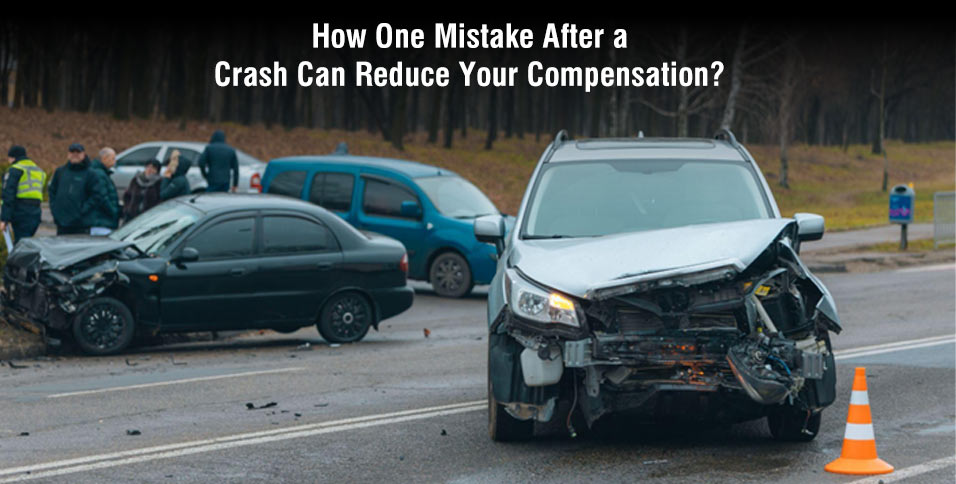
The paperwork does not decide the value of a crash claim, but the steps taken afterward often do. Decisions made in the early stages can quietly affect compensation, even when the accident was not your fault.
Many people realize this only once a settlement offer arrives and turns out lower than expected. That reduction is rarely random. It usually traces back to one early mistake that shaped how the claim was viewed.
Here are the common ways those mistakes happen and how they gradually change the result.
Why Post-Accident Actions Affect Compensation?
Insurance companies do not look at accidents the way injured people do. They focus on behavior, timing, and consistency. Every action taken after a crash becomes part of a record that is studied closely. Delays, gaps, or unclear choices give insurers room to question what really happened and how serious the harm is.
This is also the stage where people often believe the process will stay fair on its own. That belief leads many to wait too long before seeking advice from car accident attorneys, even though early guidance can shape how the claim develops.
Once the record is set, it is hard to change. That is why post-crash actions carry so much weight.
Common Mistakes That Can Weaken a Crash Claim
Delaying or Skipping Medical Treatment
Pain does not always show up right away. Some injuries grow worse over days or weeks. Waiting to see a doctor may feel reasonable at first, but insurers often treat delays as proof that the injury was minor or unrelated. Gaps in treatment make it easier to argue that something else caused the pain later.
Giving Detailed Statements to Insurance Adjusters
Adjusters sound polite and calm. Their questions seem simple. Still, every answer is recorded and reviewed. A small change in wording or a rushed explanation can create doubt. Even honest comments may be used to lower the value of a claim if they later appear inconsistent.
Failing to Gather Evidence at the Scene
Photos, witness names, and reports help tell a clear story. Without them, the claim relies on memory and statements alone.
Missing details make it harder to show how the crash happened and who was responsible. That uncertainty almost always benefits the insurer, not the injured person.
Admitting Fault or Apologizing
Stress makes people speak quickly. Saying sorry or taking blame at the scene can be misunderstood later. Those words may be treated as an admission, even if the full facts were not known at the time. Once a fault is questioned, compensation often drops.
Posting About the Accident on Social Media
Posts meant for friends can reach insurers. Photos, comments, or casual updates may be taken out of context. A smile in a picture or a short message about feeling better can be used to challenge injury claims.
How a Single Error Can Lead to Lower Compensation?
One mistake often creates a ripple effect that grows over time. Delaying medical care can raise doubts about the seriousness of the injuries. Those doubts give insurance companies a reason to question treatment costs and reduce medical payments.
When records are incomplete or unclear, fault can also become a point of dispute. Each problem adds another layer of uncertainty. In the end, the settlement offer is shaped more by these unanswered questions than by the actual harm caused by the crash itself.
How Can Fault Rules Reduce a Settlement?
Many systems allow compensation to drop when responsibility is shared. Even a partial fault can lower the final amount.
Mistakes after a car accident often increase the percentage of blame assigned. What began as a strong claim can shrink once fault is divided.
Steps to Protect Your Claim After a Crash
The safest approach is steady and careful action.
One section should include clear, easy-to-follow steps.
- Seek medical care as soon as possible and follow the treatment plan.
- Keep communication with insurers limited and thoughtful.
- Save records, photos, and reports in one place.
- Ask questions early if something feels unclear.
These habits create a clean record that supports the claim instead of weakening it.
When Professional Legal Guidance Helps?
Some cases move smoothly. Others become complicated fast. Serious injuries, unclear fault, or firm pushback from insurers often signal the need for support.
Many people turn to car accident attorneys at this stage because the process becomes harder to manage on their own. Guidance can help keep the focus on recovery rather than constant negotiation.
Closing Thoughts
A crash changes plans in ways no one expects. The financial side does not have to add more strain. Small choices made early often decide how fair the outcome feels later.
Careful steps, clear records, and timely legal support can protect compensation from being reduced without reason.