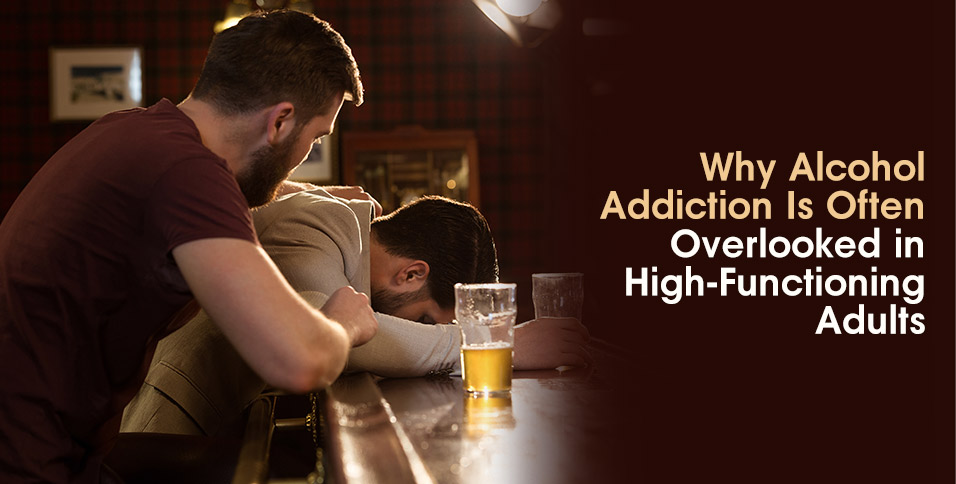
When we think of alcohol addiction, we perhaps have a rather stereotyped view in our heads. We see it as something that significantly affects a person’s life, and it’s plain to see. We expect to see a person down on their luck, relationships falling apart, little money, and often struggling with health conditions like poor skin and bags under the eyes. We could go on, really.
However, while all that is true, there are many people who live with alcohol addiction who are highly functioning individuals, too. They can maintain their careers, their roles in the family and everything else going on in their life.
And that can often go unnoticed. Which is incredibly dangerous.
But why does alcohol addiction often go overlooked in high-functioning adults? It’s something that many alcohol/drug detox rehabilitation centres are keen to educate society on, because while life may be running “smoothly” for them, they very much need help as it isn’t sustainable forever.
Here are some of the reasons it can often go unnoticed, even among close friends and family members…
There’s no visible decline
One of the primary reasons high-functioning alcohol addiction goes undetected is that society tends to associate addiction with chaos and visible decline. When someone performs well at work, pays their bills, and maintains social relationships, others often assume they cannot be struggling with an addiction. This stereotype makes it easier for high-functioning individuals to fly under the radar. Their external success becomes a mask that conceals the internal reality. The polished façade creates a false sense of security that prevents others from recognising warning signs.
Self-deception
In many cases, high-functioning individuals are skilled at compartmentalising. They may drink heavily in private while presenting a composed, capable image in public. This level of control can convince both themselves and others that their drinking is manageable. Because they do not experience the immediate consequences typically associated with alcohol addiction, such as job loss or financial instability, they may believe their drinking is not serious or dangerous. This self-deception is a powerful barrier to acknowledging the need for help.
Normalisation of drinking
Another key factor is the cultural normalisation of alcohol, particularly in professional and social environments. In many workplaces, especially high-pressure industries, drinking is woven into the culture, with after-work drinks, networking events, and work celebrations. High-functioning individuals who drink heavily in these settings may simply blend in. Their consumption may even be viewed as ordinary or socially acceptable. The same applies to social circles where heavy drinking is normal; the individual’s behaviour may not stand out enough to raise concern.
It’s “only” stress relief
Stress plays a significant role as well. High-achieving individuals often face intense demands and may use alcohol as a coping mechanism to unwind, sleep, or relieve pressure. Because their lives appear organised and successful, others may chalk up their drinking to “stress relief” rather than recognising it as a red flag. The association between alcohol and relaxation is so ingrained in society that problematic drinking can easily be dismissed as a harmless indulgence.
They hide it well
Stigma and fear of judgment also contribute to the issue. High-functioning individuals may go to great lengths to hide their addiction because they fear the impact it could have on their career, reputation, or relationships. Admitting to an alcohol problem can feel incompatible with the image of someone who is capable and in control. This fear encourages secrecy, which makes detection even less likely. Even when loved ones sense something is wrong, they may hesitate to express concern, not wanting to appear intrusive or risk damaging the relationship.
Why overlooking is dangerous
The consequences of overlooked addiction can be serious. High-functioning individuals may continue drinking heavily for years, causing cumulative harm to their physical and mental health. The lack of a visible crisis can delay intervention, leading to deeper dependence and worsening well-being.
Recognising alcohol addiction in high-functioning individuals requires shifting the focus from outward appearances to genuine wellbeing. Addiction does not discriminate based on success, capability, or status. By understanding the subtle ways it manifests and the social assumptions that mask it, we can better support those who may be silently struggling. Ultimately, fostering open conversations and reducing stigma is essential in ensuring that no one feels they must suffer behind a façade of functionality.