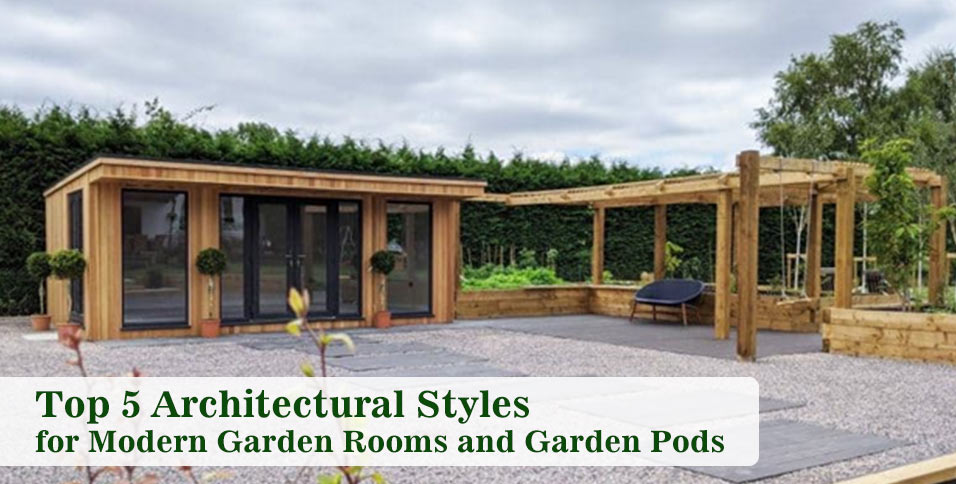
Modern homeowners are increasingly looking for ways to expand their living space without the cost and hassle of moving house. One of the most stylish and practical solutions is investing in modern garden rooms or garden pods. These structures can transform outdoor space into an office, gym, studio, entertainment space, or guest accommodation — all while adding value to the property.
But one of the biggest decisions when building or purchasing a garden room is selecting the right architectural style. The design affects not only the look but also its functionality, durability, and how well it blends with its surroundings.
Below are the top five architectural styles for modern garden rooms and garden pods to help inspire your project.
1. Minimalist Contemporary Garden Rooms
Minimalist architecture focuses on simplicity, clean lines, and purposeful design. This style is extremely popular for modern garden rooms because it complements both modern homes and natural environments.
Key Features:
- Flat or low-pitched roof
- Large floor-to-ceiling glass doors or panels
- Neutral colour palettes (black, grey, white, wood tones)
- Seamless indoor-outdoor transition
Why This Style Works:
Minimalist designs make small spaces feel larger and more open. They also offer a calm, uncluttered atmosphere — perfect for remote working, yoga studios, or creative spaces.
2. Scandinavian-Style Garden Pods
Scandinavian design is known for warmth, simplicity, and connection with nature. It blends functionality with soft aesthetics, making it ideal for cosy garden offices or chill-out rooms. Explore more about Scandinavian-style garden pods and make your pod ideal for cosy garden office or chill-out room.
Key Features:
- Natural timber cladding (cedar, larch, pine)
- Light interiors with soft neutral tones
- Large windows for natural light
- Functional clever storage
Why This Style Works:
The focus on natural textures helps the pod feel peaceful and harmonious with the garden. Scandinavian designs also age beautifully, especially when high-quality wood is used.
3. Eco-Friendly Sustainable Garden Rooms
With sustainability becoming a priority, eco-inspired architectural styles are growing rapidly. These garden spaces are crafted with materials and features that reduce environmental impact.
Key Features:
- Living (green) roof systems
- Recycled or natural building materials
- Rainwater harvesting options
- Solar power integration
- Energy-efficient insulation
Why This Style Works:
Eco-friendly designs are not only better for the environment but also help reduce long-term running costs. Garden rooms built with sustainability in mind maintain temperature better and last longer.
4. Industrial Modern Garden Rooms
If you love bold character and urban flair, the industrial style is a standout choice. Inspired by warehouse architecture, it offers a raw, edgy look while remaining functional.
Key Features:
- Exposed steel or metal framing
- Dark colour schemes
- Brickwork accents or cladding
- Oversized black-framed windows
- Concrete-style panels or flooring
Why This Style Works:
Industrial architecture is durable and makes a striking visual impact. It’s perfect for creative studios, entertainment rooms, and hybrid working spaces where style meets practicality.
5. Traditional Cottage-Style Garden Rooms
For homes with classic architecture, a traditional cottage-inspired garden room may blend better than a modern build. This style is charming, warm, and timeless.
Key Features:
- Pitched or shingle roofs
- Timber framing or painted cladding
- Cosy interior finishes
- Cottage windows and garden landscaping
Why This Style Works:
Traditional cottage-style garden rooms create a homely retreat feel. They’re perfect for guest rooms, reading nooks, or hobby spaces, giving a sense of escape without leaving the property.
How to Choose the Right Architectural Style
Your decision should be based on a mix of preference, purpose, and property layout. Consider the following when choosing:
1. Function
A gym may need more light and ventilation, while a cinema or music room may need soundproofing and privacy.
2. Position in the Garden
A shaded area may benefit from large glazing, while a sunny spot may require sun-control features.
3. Maintenance Level
Wood looks beautiful but may require treatment. Composite or metal cladding requires less upkeep.
4. Budget
Some styles involve higher material costs, such as glass-heavy minimalist designs or eco-friendly systems.
Benefits of Choosing a Stylish Garden Room or Pod
A well-designed garden room is more than an extension — it’s an investment. Benefits include:
- Increased property value
- Multi-functional use
- Lower cost than home extensions
- Year-round usability
- More privacy and separation from the main house
Conclusion
Garden rooms and garden pods are transforming the way people use their outdoor space. Whether you prefer minimalist, cottage-inspired, Scandinavian, industrial, or eco-friendly architecture, there’s a design to match every lifestyle and property style.
Choosing the right design ensures your garden room not only performs well but looks stunning for years to come.