Keeping your living area in good condition doesn’t just make it look better. It helps everything run smoothly and last longer. Simple care routines can help prevent small problems from turning into big ones. Taking care of ventilation, airflow, and cleaning also helps create a cleaner, safer indoor setting. Even parts of your space that you can’t see, like ducts and vents, play a big role in how comfortable you feel. By developing practical habits and staying consistent with regular upkeep, you can protect your surroundings, reduce future costs, and enjoy a more inviting environment year-round.
Here’s how you can maintain your home:
Start with Routine Inspections
Regular checks help you catch wear and tear before it becomes serious. Look around for signs of water stains, mold, or peeling paint. Check HVAC filters, switches, and cords to make sure they’re working properly. Examine entry points like doors and vents to confirm they seal correctly. Doing small checks once a month saves time and effort later. For a more thorough inspection, take a closer look at lesser-seen spots like basements, attics, and under sinks. Writing down what you find helps track changes over time. These easy habits keep your living area safer and more comfortable without feeling like a big chore.
Focus on Indoor Air and Ventilation
Many people overlook how air circulation affects daily comfort. Over time, dust, pet hair, and allergens collect inside ducts, affecting airflow and overall cleanliness. Using professional duct-cleaning services from local contractors can help reduce airborne particles and improve indoor breathing comfort. If you want to create a fresher atmosphere, you can improve your indoor air quality with regular duct cleaning, especially before seasonal changes. This process removes buildup that ordinary cleaning can’t reach. It helps balance air movement, makes filters work better, and supports your heating and cooling systems to perform more efficiently.
Keep HVAC Systems in Top Shape
Temperature control units need care throughout the year. Replace or wash filters every few months and make sure vents stay unblocked. Check the thermostat regularly to confirm it’s calibrated. A unit free from dust and clogs doesn’t have to work as hard to reach your desired temperature. Schedule servicing before summer and winter since those seasons demand more energy use. Taking time for these simple tasks lowers strain and keeps air flowing evenly. With consistent effort, the system runs longer and provides better comfort without sudden breakdowns or high power bills.
Pay Attention to Plumbing Maintenance
Water lines and fixtures can develop problems without showing visible signs right away. Listen for dripping sounds or inconsistent pressure. Small leaks waste water and can cause unseen damage over time. Tighten loose connections and check under sinks for moisture. Use eco-friendly drain cleaners instead of harsh chemicals to keep things clear. Inspect faucets and showerheads once in a while to make sure they aren’t clogged. If you notice an ongoing issue, it’s worth having an inspection to avoid larger expenses later. These actions keep your setup working properly and support better water use efficiency.
Care for Flooring and Carpets
Floors and carpets handle heavy use every day. Dirt, spills, and scratches can shorten their life. Vacuuming at least twice a week prevents dust from settling deep within fibers. For hardwood or tile, gentle cleaning products preserve their surface. Adding mats near entrances helps trap dirt before it spreads. Occasionally, consider a professional deep clean for carpets to remove stains and bacteria that regular cleaning misses. Keeping your floors clean also improves air freshness and comfort. When cared for regularly, flooring materials stay bright, smooth, and long-lasting—without the need for frequent replacements.
Don’t Overlook Windows and Doors
Properly working windows and doors improve airflow and temperature control. Clean tracks and frames to prevent dust buildup. Check for loose handles, seals, or gaps that could let air escape. Adding weather stripping is an easy way to reduce energy waste and improve comfort indoors. Well-fitted doors also help reduce noise and keep pests out. Don’t forget to clean window panes and hinges every few months for smoother function. Taking time for this simple care helps create a brighter, more energy-efficient environment while keeping your living area welcoming and quiet.
Take Roof and Gutter Cleaning Seriously
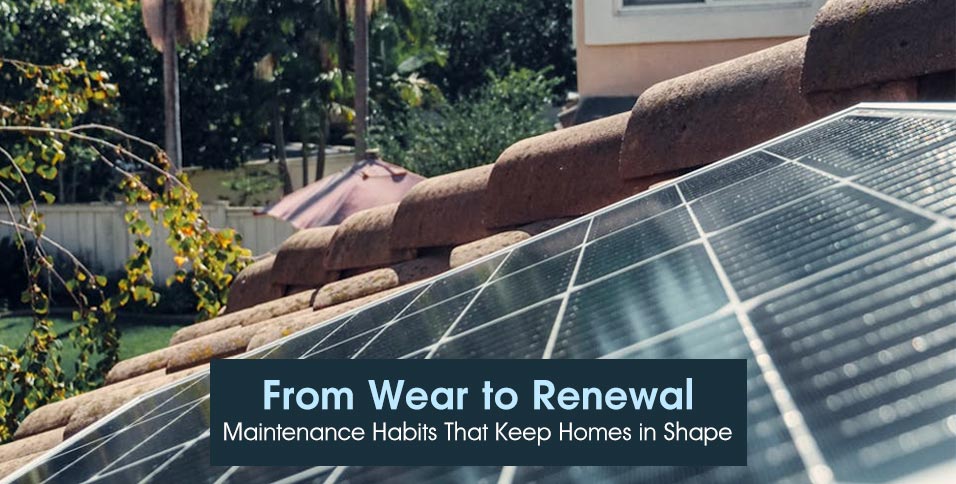
Debris buildup can lead to leaks and moisture issues. Remove leaves, branches, and dirt to prevent blockages. If you notice sagging areas or discoloration, it may signal early wear that needs attention. Clean gutters twice a year, especially after heavy storms. Check flashing and nearby materials for signs of looseness or decay. Quick cleaning saves effort later and keeps rainwater flowing where it should. You can use a stable ladder and protective gloves for safety during this process. Staying consistent with these actions helps avoid unnecessary costs and protects the structure for the long term.
Maintain Kitchen and Bathroom Hygiene
Areas exposed to moisture require regular care. Wipe down sinks, counters, and tiles to keep mold from forming. Clean exhaust fans and vents to improve airflow and reduce humidity. Keep cleaning supplies handy for quick daily wipe-downs. Using natural cleaners like vinegar and baking soda cuts through grime without harsh chemicals. Inspect grout and sealants for cracks so they don’t trap dirt or bacteria. Good hygiene habits not only make these areas look fresh but also create a more pleasant, hygienic environment where you spend time each day.
Organize Storage and Cluttered Areas
Organizing is part of caring for your living environment. Go through closets, garages, and basements every few months. Donate or recycle items you no longer use. Store belongings in labeled containers to make them easy to find. Keeping boxes off the floor prevents moisture buildup and discourages pests. Open shelving units can also help you spot what needs cleaning or rearranging. A tidy area simplifies cleaning routines and reduces dust collection. This approach brings a sense of order and helps you make better use of available space efficiently.
Schedule Seasonal Deep Cleaning
Set aside time each season for deeper cleaning tasks. Focus on areas that collect dirt but don’t get frequent attention, like vents, behind appliances, and light fixtures. Carpets, drapes, and upholstery benefit from occasional steam cleaning. For spring or fall, consider having duct or tile cleaning done by trusted services for a complete refresh. Regular deep cleaning brightens the entire environment, keeps it safe, and extends the life of what you already own. This steady rhythm of care keeps everything in balance throughout the year.
Developing steady cleaning and inspection habits makes a big difference. A little effort every month prevents costly issues later and keeps your surroundings comfortable. Paying attention to air circulation, cleaning routines, and seasonal upkeep supports a fresher, safer environment. By building these habits into your schedule, you protect your living area’s comfort and create a space that feels clean, well-cared-for, and welcoming all year long.