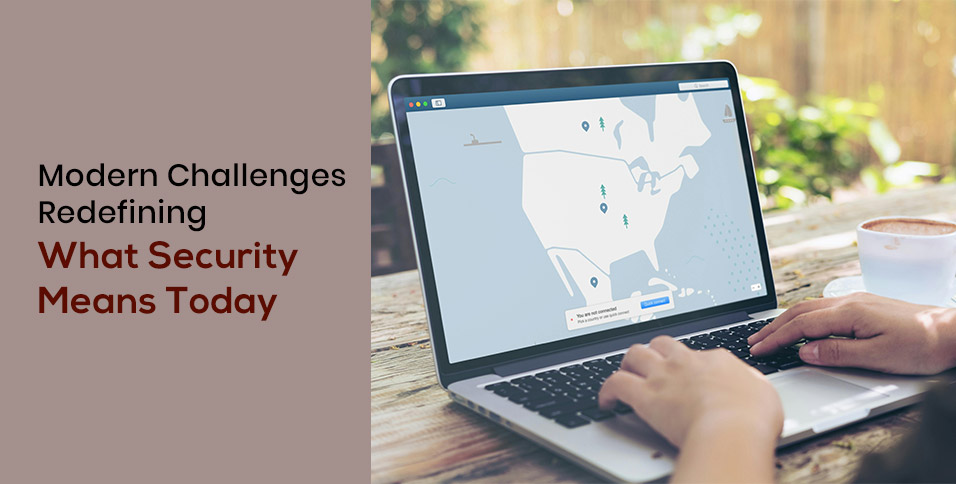
When most people think of security, they picture locks, passwords, or surveillance cameras. But today’s threats go beyond the obvious. From unpredictable food supplies to viral misinformation, security now spans digital, personal, and systemic risks. The concept keeps evolving as climate events, supply issues, and social trends reshape how we define safety. Industries that once avoided the word—like tech firms and local governments—now use it routinely.
In this blog, we will share emerging forces reshaping how people and institutions think about protection, response, and resilience.
Security Now Includes TikTok and Thermometers
There was a time when security professionals didn’t need to understand social media algorithms. That time is over. Information moves too fast to be ignored. Platforms like X, Instagram, and TikTok can sway public perception, panic, or misinformation in a matter of hours. During disasters, these platforms become unofficial newsrooms. And in some cases, the rumors on social media get more attention than actual agency warnings.
Climate patterns are also creating ripple effects in places that once felt immune. Heatwaves in traditionally cooler cities are straining infrastructure not built for that kind of demand. Water access, too, is becoming a flashpoint. From California to Cape Town, droughts are shaping local politics and creating new points of tension. You can’t talk about security today without talking about the weather.
This is exactly why professionals entering the field need a wider lens. People who pursue a degree in security studies often focus on big-picture issues like terrorism or defense policy. But the real value lies in how that training helps someone analyze layered risks. These programs don’t just teach about threats—they train students to connect dots between public health and crisis communication. And in a world where a heatwave, a rumor, or a supply chain issue can all cause chaos, that kind of thinking isn’t optional.
Cybersecurity Is Still a Mess (But It’s a Team Sport Now)
Despite years of warnings, many organizations still struggle with basic cybersecurity. Weak passwords and outdated systems remain common entry points. But security isn’t just IT’s job anymore. Everyone—from HR to remote workers to third-party vendors—plays a role.
With home networks now part of the workplace, every device becomes a risk. New models like zero-trust architecture are changing how access is managed, requiring constant verification and tighter controls. Still, many companies lag behind. And when they do, even small breaches can disrupt entire communities.
Health Is Now a Security Issue (Whether We Like It or Not)
If COVID taught the world anything, it’s that disease doesn’t respect borders or schedules. Public health is no longer a separate field from national preparedness. A viral outbreak can affect food, travel, manufacturing, and education—all in the same week.
What’s more, chronic stress and mental health are now recognized as critical factors in emergency response. Burnout in first responders, misinformation in health communities, and lack of trust in public messaging all contribute to the severity of crises.
Planners now prioritize resilience, not just response time—focusing on housing stability, child care access, and clear communication. When systems are strained, another crisis can overwhelm both infrastructure and the people relying on it.
Supply Chains Are Everyone’s Problem
What once concerned only economists now affects daily life. From baby formula shortages to delayed medications, fragile supply chains impact everyone. Disruptions aren’t limited to wars or disasters—labor strikes, port delays, and tech outages can stall essential goods.
In response, companies are moving from “just-in-time” to “just-in-case” models, investing in storage, local sourcing, and real-time tracking. These aren’t just business moves—they’re critical to security planning.
Climate Resilience Isn’t Just for Coastal Cities
You don’t need to live near a shoreline to face climate risk. Inland states are dealing with record-breaking floods, tornadoes in new regions, and wildfire smoke that travels thousands of miles. Insurance markets are being redrawn. Homeowners are seeing rising premiums—or being dropped altogether.
This raises tough questions. Who pays to rebuild when a disaster hits? And how do we measure risk in places that used to feel safe? Public policy now must include climate projections and geographic shifts in everything from zoning to emergency funding.
Digital Trust Is on the Decline
It’s not just about stopping hackers. It’s about whether people believe the information they’re seeing. In a world of deepfakes, AI-generated content, and constant surveillance, trust is its own kind of security issue.
This is why many public agencies and private firms are investing in digital literacy training. People need tools to recognize manipulated content and understand how data is used. Regulatory frameworks are struggling to keep up, especially in fast-moving sectors like biometric data and predictive policing.
Polarization Weakens Preparedness
Emergency management depends on cooperation. But in many places, even basic disaster prep gets politicized. Wildfires, vaccine rollouts, evacuation orders—all have become hot-button issues. That division slows response times and weakens compliance when lives are on the line.
Some agencies are now partnering with trusted local organizations—churches, libraries, even barbershops—to get messages out. Trust isn’t a given anymore. It has to be built, person to person.
Misinformation Moves Faster Than Warnings
When an earthquake hits or a cyberattack shuts down a system, the first place people turn isn’t official channels. It’s social media. That’s where real-time updates—and plenty of bad advice—spread like wildfire.
Agencies are adapting by using their own accounts more actively. But they’re also learning that speed matters more than polish. A quick video with a clear message beats a late-night press release every time.
Emergencies Are Getting Longer
It used to be that an emergency had a start and an end. Now, some crises stretch for months. Wildfire seasons are longer. Post-disaster recovery takes years. And pandemics, as we’ve learned, can become a constant hum in the background.
This changes everything from budgeting to staff burnout. It also means the people managing these emergencies need longer-term training, mental health support, and policy backing. Quick fixes aren’t enough.
The Line Between Public and Private Is Blurring
Security used to be a government task. Now, private companies manage essentials like utilities, servers, and supply chains. When things break down, it’s often unclear who’s in charge. That confusion creates gaps—but also opportunities for collaboration. Public-private teamwork is no longer optional. It’s necessary.
Today’s security is everywhere: in homes, phones, schools, and server rooms. It’s evolving quickly, and staying ahead takes more than alerts or backup plans. It calls for a mindset that spots patterns, links systems, and plans for both the crisis and what comes after.