Key Takeaways
- Compression clothing can help support children’s health, performance, and comfort during activity.
- Scientific studies suggest benefits for circulation, recovery, and temperature regulation in young athletes.
- When selecting compression wear for kids, parents should consider the fit, fabric, and intended use.
- Non-medical uses include sports, sensory needs, and daily comfort.
- Always consult a healthcare provider for children with specific medical requirements.
The Rise of Compression Clothing in Children’s Wardrobes
Compression wear has quickly become a staple in children’s activewear, as the demand for high-performance fabrics and supportive apparel rises alongside increased youth participation in sports and recreational activities. Parents and coaches are more attentive than ever to tools that support young athletes in comfort and safety. According to the Centers for Disease Control and Prevention (CDC), promoting physical activity in childhood sets a foundation for lifelong health, making supportive attire even more crucial.
Among the most sought-after items are compression garments designed specifically for kids, such as the toddler compression shirt. These shirts and similar products blend comfort, support, and style, making them practical for a variety of activities—from the soccer field to the playground, and even the classroom for children with sensory needs.
What Is Compression Wear and How Does It Work?
At its core, compression wear consists of garments that apply gentle, targeted pressure to muscles and joints. This uniform pressure helps to stabilize muscles, improve blood circulation, and potentially decrease muscle vibration that can contribute to fatigue and soreness. In children, these physiological effects can translate to improved posture, greater comfort during activity, and support during recovery after intense play or competition.
The materials used in compression wear, typically a blend of spandex and moisture-wicking fabrics, play a crucial role in maintaining optimal skin temperature and minimizing chafing. When choosing compression clothing, especially for children, it’s important to prioritize high-quality, breathable materials that will not irritate the skin or restrict movement.
Key Health and Performance Benefits for Kids
- Improved muscle stabilization during sports reduces the risk of strain.
- Enhanced recovery, as better circulation can shorten the time needed to bounce back from activity.
- Potential sensory support for children with processing differences, promoting calm and focus in stimulating environments.
Research highlighted by the American Academy of Pediatrics (AAP) underscores the value of compression wear in promoting comfort and efficient muscle recovery in youth athletes. Parents report that children wearing compression garments often experience less post-activity soreness and show improved consistency during their training periods.
Choosing the Right Compression Wear for Children
- Look for breathable, moisture-wicking fabrics to maximize comfort and reduce skin irritation.
- Check sizing charts with care—compression wear should fit snugly without restricting movement or breathing.
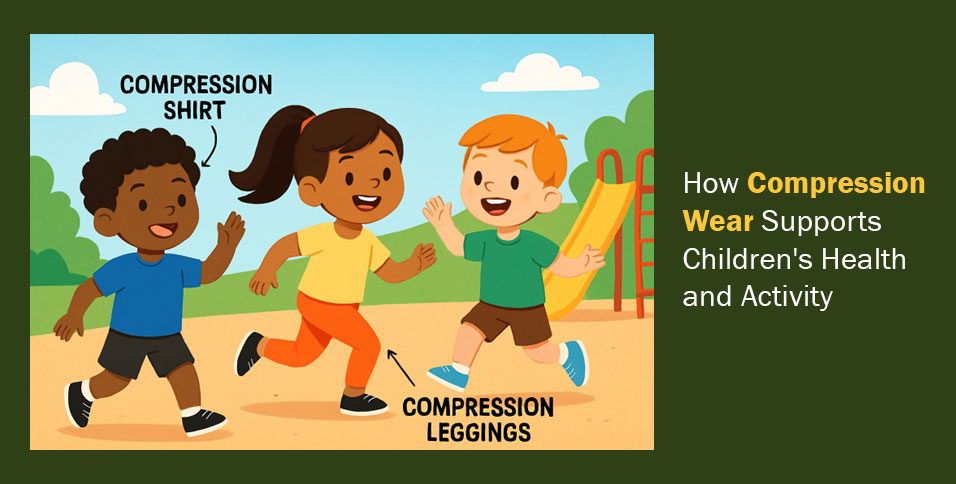
- Match the compression level and style (shirts, leggings, sleeves) to the activity and your child’s personal needs.
- Read product labels for allergy information, especially if your child has sensitive skin or a history of skin reactions.
Given the wide range of options available, parents should also consider whether their child’s need is athletic, sensory, or medical. Consulting coaches, occupational therapists, or healthcare professionals can provide added guidance, especially for children with specific health concerns.
Everyday Uses Beyond the Sports Field
Compression clothing is not just for competition. Many families now incorporate them into their day-to-day routines for physical comfort and gentle support. For children with sensory-processing differences, compression shirts and leggings offer calming deep pressure, which can be especially helpful in school settings or crowded spaces. Occupational therapists frequently recommend these garments as part of a broader strategy to help children self-regulate and focus during classroom activities.
Versatility is another benefit: compression clothing is suitable for a wide range of activities, from organized sports to dance, martial arts, or simply playing outside. Parents often choose compression wear for long travel days, when children may be sitting for extended periods.
Safety Considerations: What Parents Should Know
- Carefully monitor children for any signs of discomfort, redness, or restricted movement, and encourage them to talk about how the garment feels.
- Compression clothing is not a substitute for medical devices or treatments. For children with health conditions—such as lymphedema or circulatory disorders—always follow a healthcare professional’s recommendations.
- Teach kids that the garment should feel supportive and comfortable, but never painful or overly restrictive.
The National Institutes of Health (NIH) has noted a rise in sports-related injuries among kids, making observation and open communication vital for preventing discomfort or misuse of compression gear.
Caring for Compression Clothing
Ensuring long-lasting support and performance from compression wear depends on proper care and maintenance. Garments should be washed gently in cool water with mild detergent and never exposed to high heat in the dryer, which can break down elasticity. Regular inspection for signs of excessive wear, thinning, or loss of stretch is essential, especially as children can be tough on clothing during play.
Supporting Happy, Healthy, and Active Kids
When selected and used responsibly, compression wear can offer meaningful support for kids’ physical and sensory needs, contributing to happier, healthier, and more confident young athletes and active children. By considering fabric, fit, and safety—and involving children in the selection process—parents can maximize those benefits while ensuring fun and comfort remain the priorities.