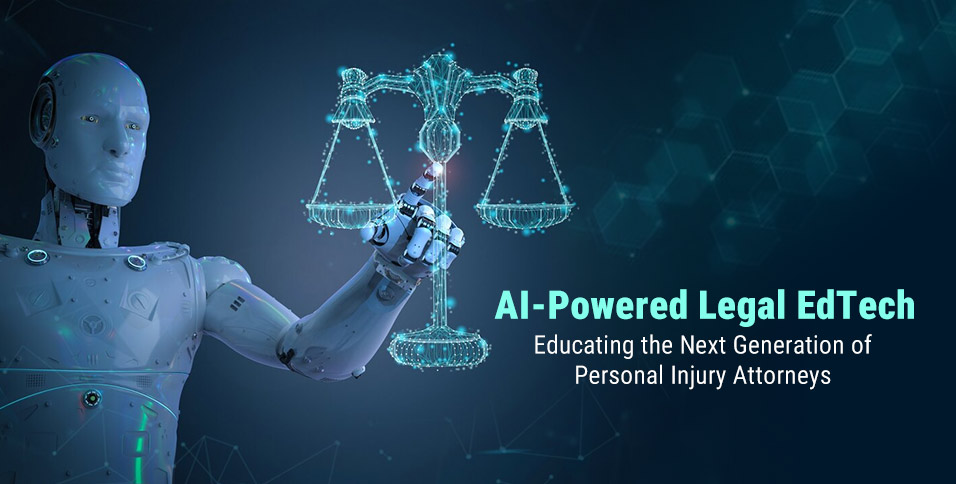
Artificial Intelligence (AI) is rapidly revolutionizing industries, and legal education is no exception. As the legal field becomes more dependent on data and digital systems, law schools and training programs are turning to AI-powered EdTech to prepare the next generation of attorneys. This is especially crucial for those pursuing careers in personal injury law, where precision, empathy, and timely legal action can significantly affect a client’s life.
AI technologies in legal education provide students with immersive learning experiences, such as real-time simulations, predictive analytics, and tailored case studies. These innovations empower aspiring attorneys to understand the real-world intricacies of personal injury cases before entering a courtroom, helping them more efficiently bridge the gap between theory and practice.
1. Revolutionizing Legal Curriculum
AI is transforming traditional legal education by offering adaptive learning environments that cater to individual learning styles. Instead of a one-size-fits-all curriculum, AI-based platforms analyze student progress and adjust content in real-time, helping each learner grasp complex concepts in tort law, liability, and negligence more effectively.
Nick Borges, Clinical Director, Heartwood Recovery, says, “This can be a game-changer in personal injury law. Students can engage with interactive case studies based on real-world examples such as car accidents, slip-and-fall cases, and workplace injuries. These simulations give students a taste of litigation, negotiations, and client interactions, preparing them for the emotional and technical challenges they will face in actual practice.
2. Simulating Real-World Case Work
Legal EdTech tools allow students to role-play through lifelike litigation scenarios—particularly vital in personal injury law, where outcomes are often determined by how well attorneys gather facts, structure arguments, and present evidence. These AI simulations mimic everything from intake interviews and depositions to courtroom trials and settlement negotiations.
“This hands-on training enables students to develop legal knowledge, courtroom confidence, and client management skills. Personal injury cases often involve sensitive, high-emotion situations; early exposure to these dynamics helps future attorneys build the emotional intelligence and strategic mindset required to succeed,” added Carl Panepinto, Marketing Director at Manhattan Flood Restoration.
3. Enhancing Legal Research Skills
“Conducting legal research is a foundational skill in personal injury law. AI-powered EdTech platforms enhance this process by scanning thousands of cases and legal documents in seconds, identifying relevant statutes, prior case rulings, and court trends. These tools help students learn how to build stronger, well-supported arguments backed by precise legal precedent,” said Dr. Nick Oberheiden, Founder at Oberheiden P.C..
Moreover, some platforms include predictive research models that analyze historical case data to suggest likely outcomes, providing students with an understanding of risk analysis. These analytical insights are invaluable for personal injury attorneys, who often estimate compensation and strategize settlement versus trial options.
4. Expert Insight: Bridging Legal Practice and Education with Technology
According to William Theodoros, Attorney at Theodoros & Rooth, P.C., “Integrating AI into legal education is not just a trend; it’s a necessity.” “In our practice, we handle complex and emotionally charged cases involving catastrophic injuries, medical malpractice, and serious accidents,” says Theodoros. “Training the next generation of lawyers to use AI for case analysis, legal research, and document review mirrors the tech-driven environment they’ll face in the field.” As a firm rooted in helping personal injury victims, Theodoros & Rooth underscores the importance of legal professionals being equipped with empathy and precision. AI-powered legal EdTech helps instill those qualities early by allowing students to practice high-pressure decision-making in low-risk environments.
5. Improving Accessibility and Inclusivity
One of the most transformative aspects of AI EdTech is its ability to democratize legal education. Students from rural or underserved areas, working professionals, and individuals with disabilities can now access high-quality legal training online, 24/7. AI tools can also include voice-to-text, multilingual content, and interactive formats that support different learning needs.
Alex L., Founder, StudyX, adds, “This inclusivity benefits the legal industry. In personal injury law, where understanding diverse client backgrounds is key, creating a more representative attorney pipeline enhances service equity. Training lawyers who understand different communities and have had to overcome barriers themselves can lead to better client advocacy and case outcomes.
6. Data-Driven Decision Making
“Legal EdTech platforms powered by AI offer predictive modeling tools that train students to think critically and make data-driven decisions. They can input variables such as case type, injury severity, jurisdiction, and witness credibility, and receive analytical outputs like expected compensation ranges or the probability of trial success,” said Martha Bowen, Marketing & New Business Manager at Boldspace.
These simulations teach technical skills and emphasize legal strategy and risk assessment. For example, students can experiment with different legal arguments in a mock setting and observe how those choices influence case outcomes. These skills are vital when handling high-stakes injury claims in real practice.
7. Ethical Considerations and AI Training
“While AI adds efficiency to legal training, it also brings ethical responsibilities. Leading EdTech platforms now include modules on data privacy, bias in algorithms, and attorney-client privilege, ensuring students understand how to use technology responsibly. This is especially important in personal injury law, where clients often share sensitive personal and medical information,” says Gerrid Smith, Founder & CEO of Fortress Growth.
Teaching future attorneys to consider ethical issues alongside legal ones prepares them for the growing scrutiny around digital evidence and automated decision-making. By learning to question the output of AI tools and understand their limitations, students become more thoughtful, well-rounded legal professionals.
8. Preparing for a Hybrid Legal Future
The legal profession is moving toward a hybrid future, combining traditional client service with digital solutions. Law firms increasingly expect junior attorneys to be fluent in legal reasoning and technology, especially in document review, e-discovery, and remote case management.
Erik Spettel, Chief Clinical Officer, Sacred Journey Recovery, stated, “AI EdTech platforms serve as a bridge between academic instruction and professional reality. They equip students with hands-on experience in tools they will likely use in practice, from AI-powered case management systems to digital courtroom presentations. This dual fluency gives future personal injury attorneys a clear advantage in an evolving industry.
Conclusion
AI-powered EdTech is no longer futuristic but essential to modern legal education. These technologies offer the ideal training ground for personal injury law, where attorneys must balance emotion with logic and urgency with accuracy. Legal EdTech tools set a new standard for preparing the next generation of legal professionals by simulating real cases, supporting inclusive learning, and teaching responsible AI use. And as firms like Theodoros & Rooth demonstrate, the attorneys who embrace legal tradition and technological innovation will be the most prepared to lead in a changing legal landscape.
Also Read: What Future Educators Need From EdTech Tools