Workers in cold environments face significant safety risks that extend beyond mere discomfort, including reduced dexterity, increased accident rates, and serious cold-related injuries. Traditional cold weather protection often falls short, forcing employers to choose between worker safety and productivity.
Innovative heated glove technology now provides a solution that maintains both safety standards and operational efficiency in challenging conditions.
The Critical Role of Hand Protection in Cold Work Environments
Hands represent the most vulnerable part of the body during cold weather work, directly impacting both safety and productivity outcomes. Proper hand protection becomes essential not just for comfort but for preventing injuries, maintaining work quality, and complying with occupational safety regulations.
Understanding the correct size of heated gloves ensures maximum effectiveness and safety compliance across diverse workforce populations.
Industries requiring enhanced cold weather hand protection:
- Construction and infrastructure development in winter conditions
- Cold storage and refrigerated warehouse operations
- Oil and gas exploration and production in extreme climates
- Snow removal and winter maintenance services
- Utilities maintenance and repair during cold months
- Agriculture and livestock management in winter
- Transportation and logistics including trucking and delivery
- Emergency services and first responders in all weather
- Military and defense operations in cold regions
- Outdoor recreation services including ski resorts and guides
Workplace Safety Risks Associated with Cold Exposure
Cold-related workplace injuries cost businesses millions annually in medical expenses, lost productivity, and workers’ compensation claims. Many organizations underestimate the severity of cold exposure risks until serious incidents occur or regulatory violations result in penalties. The Occupational Safety and Health Administration provides specific guidelines for protecting workers from cold stress, emphasizing that employers must provide appropriate protective equipment for harsh conditions.
Frostbite and Cold-Related Tissue Damage
Frostbite occurs when skin and underlying tissues freeze, causing permanent damage to fingers, hands, and other extremities. Even mild frostbite can cause long-term sensitivity to cold and reduced function in affected areas.
The National Institute for Occupational Safety and Health reports that severe frostbite cases can result in tissue death requiring amputation, creating catastrophic consequences for workers and employers.
Reduced Manual Dexterity and Coordination
Cold temperatures cause muscle stiffness and reduced nerve conductivity, significantly impairing hand coordination and fine motor control. Workers with cold hands make more errors, work more slowly, and struggle with tasks requiring precision.
Research published in the Journal of Occupational and Environmental Medicine demonstrates that manual performance declines by 50-80% when finger temperature drops below 12°C (54°F).
Increased Accident and Injury Rates
Numbness from cold exposure reduces tactile feedback and grip strength, dramatically increasing risk of drops, slips, and loss of tool control. Workers cannot feel whether they have secure holds on objects or equipment, leading to preventable accidents.
Bureau of Labor Statistics data shows that workplace injuries increase significantly during cold weather months, particularly in outdoor industries.
Hypothermia Risk in Extreme Conditions
Prolonged exposure to cold environments can cause core body temperature to drop dangerously low, leading to hypothermia. Early hypothermia symptoms include confusion, poor decision-making, and impaired coordination that increase accident risk.
The Centers for Disease Control and Prevention warns that hypothermia can occur even in temperatures above freezing when combined with wind, moisture, or inadequate protective clothing.
Non-Freezing Cold Injuries
Trench foot and chilblains develop from prolonged exposure to cold, wet conditions even when temperatures remain above freezing. These painful conditions cause tissue damage, blistering, and long-term sensitivity that can end careers in outdoor industries.
Military and occupational medicine research indicates that non-freezing cold injuries often receive inadequate attention despite their serious impact on worker health.
Chronic Health Problems from Repeated Exposure
Workers experiencing repeated cold exposure over years develop chronic circulatory problems, arthritis, and neurological issues. Cumulative damage from cold stress may not become apparent until workers reach middle age and experience premature disability.
Longitudinal studies of cold-exposed workers show significantly higher rates of vascular and joint disorders compared to general populations.
Legal and Regulatory Compliance Issues
Employers face potential liability and regulatory penalties when failing to provide adequate cold weather protection for workers. OSHA regulations require employers to recognize cold stress hazards and implement appropriate control measures including protective equipment. Workers’ compensation claims for cold-related injuries can result in substantial costs and increased insurance premiums for non-compliant organizations.
How Heated Gloves Transform Workplace Safety
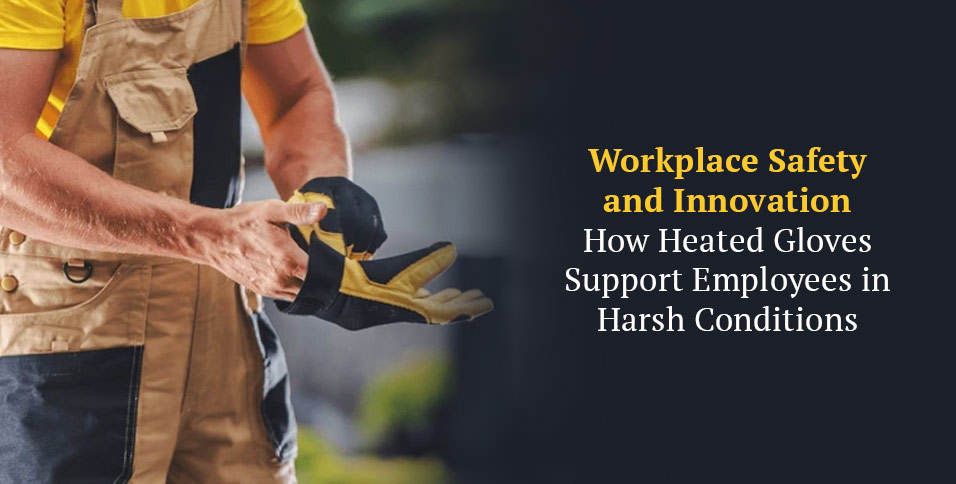
Heated glove technology represents a significant advancement in personal protective equipment, addressing cold exposure risks while maintaining the dexterity workers need. Unlike passive insulation that merely slows heat loss, heated gloves actively generate warmth to maintain optimal hand temperature.
Advanced solutions from companies like Arcfomor.com integrate heating elements with durable work glove construction, creating protection that meets both safety and performance requirements.
Active Temperature Regulation vs. Passive Insulation
Battery-powered heating elements provide consistent warmth regardless of external temperature conditions or activity level. Workers can adjust heat settings based on conditions, maintaining comfort during both active work and stationary periods. Active heating prevents the cold-induced dexterity loss that occurs even with heavily insulated traditional gloves.
Maintained Dexterity and Precision Work Capability
Heated gloves keep hands warm without the bulk of heavily insulated alternatives, preserving finger mobility for detailed tasks. Workers can maintain precision, grip strength, and tactile sensitivity while staying warm in harsh conditions. This combination eliminates the common compromise between warmth and work capability inherent in traditional cold weather gloves.
Extended Work Duration in Extreme Conditions
Consistent hand warmth allows workers to remain productive for longer periods without cold-induced breaks or performance degradation. Extended battery life in modern heated gloves supports full work shifts in even the coldest environments. Reduced downtime from cold exposure directly translates to improved productivity and project completion rates.
Injury Prevention and Risk Reduction
Maintaining optimal hand temperature preserves the sensation, coordination, and reaction time necessary for safe tool and equipment operation. Workers with warm hands can better detect hazards, maintain secure grips, and respond appropriately to dangerous situations. Proactive warming prevents the progression from cold discomfort to actual cold injuries requiring medical treatment.
Worker Satisfaction and Retention Benefits
Providing advanced protective equipment demonstrates employer commitment to worker wellbeing, improving morale and job satisfaction. Workers equipped with effective cold weather gear experience less physical stress and show higher retention rates. Competitive advantage in recruiting skilled workers often depends on reputation for providing quality protective equipment.
Compliance with Evolving Safety Standards
Heated gloves help organizations meet or exceed regulatory requirements for cold weather worker protection. As safety standards evolve to recognize cold stress hazards, proactive equipment upgrades demonstrate compliance commitment. Documentation of appropriate PPE provision protects organizations from liability in case of cold-related incidents.
Cost-Effectiveness Compared to Cold-Related Losses
Initial investment in heated gloves proves cost-effective when compared to expenses from cold-related injuries, reduced productivity, and turnover. Preventing even one serious cold injury typically saves more than the cost of equipping an entire team. Long-term durability of quality heated gloves provides years of protection, spreading costs across extended periods.
Technology Advancements Enhancing Heated Glove Effectiveness
Rapid innovation in battery technology, heating elements, and materials science continues to improve heated glove performance and practicality. Modern heated gloves bear little resemblance to early models that were heavy, ineffective, and impractical for serious work applications.
The International Safety Equipment Association tracks emerging technologies that enhance worker protection in challenging environments.
Current technological innovations:
- Lithium-ion batteries providing 6-10 hour operation on single charge
- Carbon fiber heating elements distributing warmth evenly across entire hand
- Moisture-wicking materials preventing sweat accumulation that reduces insulation
- Touchscreen-compatible fingertips allowing device operation without glove removal
- Reinforced high-wear areas extending glove lifespan in demanding applications
- Quick-connect battery systems enabling rapid battery swaps without removing gloves
- Smart temperature sensors automatically adjusting heat output based on conditions
- Waterproof and windproof outer shells protecting against precipitation and wind chill
- Ergonomic designs maintaining natural hand position and reducing fatigue
- Reflective elements enhancing worker visibility in low-light conditions
Measuring Return on Investment and Safety Outcomes
Quantifying the benefits of heated glove programs helps justify continued investment and program expansion. Organizations should track both financial metrics and safety outcomes to demonstrate program value. The National Safety Council provides frameworks for calculating the true cost of workplace injuries and the ROI of prevention measures.
Key performance indicators to monitor:
- Reduction in cold-related injury incidents and severity
- Decrease in workers’ compensation claims during cold months
- Improved productivity measurements during cold weather periods
- Reduced absenteeism attributed to cold exposure discomfort
- Enhanced worker satisfaction scores in safety climate surveys
- Lower equipment damage rates from cold-impaired handling
- Faster task completion times in cold environments
- Decreased need for warming breaks and associated downtime
- Improved recruitment and retention in cold weather positions
Conclusion
Heated gloves represent a significant advancement in workplace safety technology, providing effective protection that maintains both worker wellbeing and operational productivity in harsh conditions.
By implementing comprehensive heated glove programs with proper sizing, training, and management protocols, organizations demonstrate commitment to worker safety while improving bottom-line performance.