Modern businesses are increasingly prioritizing employee well-being, and workplace ergonomics is at the center of this shift. With long working hours, screen-heavy roles, and hybrid work models becoming the norm, companies are recognizing the direct link between employee comfort and overall performance.
Investing in ergonomic solutions is no longer optional. It is a strategic move to enhance productivity, reduce health risks, and improve employee satisfaction.
Impact of Poor Posture on Workplace Productivity
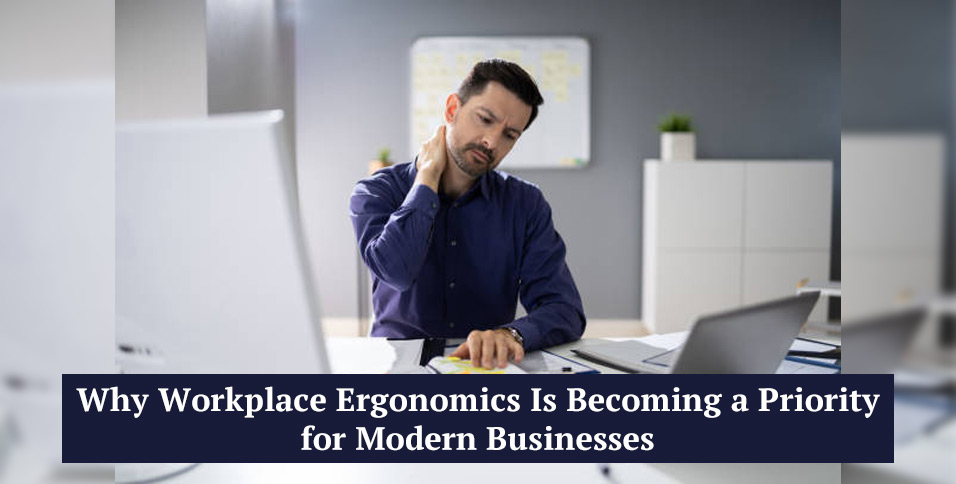
Poor posture is one of the leading causes of discomfort in the workplace. Employees who sit for extended periods without proper support often experience back pain, neck strain, and fatigue.
This leads to:
- Reduced focus and efficiency
- Increased absenteeism due to health issues
- Lower overall work performance
- Higher risk of long-term musculoskeletal problems
When employees are physically uncomfortable, their ability to perform at their best is significantly affected.
Ergonomic Office Design Trends
Organizations are now adopting ergonomic office designs to create healthier work environments. These trends focus on improving posture, movement, and overall comfort.
Popular ergonomic trends include:
- Adjustable desks that allow sitting and standing
- Chairs with built-in lumbar support
- Flexible workspaces to encourage movement
- Minimalist setups that reduce physical strain
- Focus on natural lighting and screen positioning
These changes help employees maintain better posture and reduce physical stress throughout the day.
Tools That Improve Employee Comfort
Providing the right ergonomic tools is essential for maintaining employee comfort and preventing strain.
One effective solution is a backrest cushion, which supports the lower back and helps maintain proper spinal alignment during long sitting hours.
Other useful tools include:
- Ergonomic chairs with adjustable features
- Footrests for improved leg positioning
- Monitor stands to maintain eye-level viewing
- Ergonomic keyboards and mouse devices
These tools create a supportive workspace that enhances both comfort and productivity.
Long-Term Benefits of Ergonomic Investments
Investing in ergonomics offers long-term advantages for both employees and organizations.
Key benefits include:
- Reduced workplace injuries and health complaints
- Improved employee productivity and efficiency
- Lower healthcare and absenteeism costs
- Higher employee satisfaction and retention
- Enhanced overall workplace environment
Ergonomic investments contribute to a healthier, more engaged workforce, which directly impacts business success.
FAQs
How does poor posture affect workplace productivity?
Poor posture leads to discomfort, fatigue, and reduced concentration, which negatively impacts productivity and work performance.
What are the latest ergonomic office design trends?
Trends include adjustable desks, ergonomic chairs, flexible workspaces, and optimized monitor positioning to improve posture and comfort.
What tools help improve employee comfort at work?
Tools such as ergonomic chairs, footrests, monitor stands, and backrest cushions help improve comfort and reduce strain.
How can ergonomic workspaces reduce health issues for employees?
They promote proper posture, reduce strain on muscles and joints, and prevent long-term health problems like back pain and repetitive strain injuries.
What are the long-term benefits of investing in ergonomic solutions?
Long-term benefits include improved productivity, reduced health risks, lower absenteeism, and increased employee satisfaction and retention.