When leg pain, visible varicose veins, or persistent swelling begin limiting daily life, seeing a specialist matters. A Central Austin vein doctor—often a vascular surgeon or interventional radiologist with focused training in venous disease—provides precise diagnosis and access to minimally invasive treatments that general practitioners typically cannot offer. This article explains when to consult a vein specialist, how they evaluate and diagnose venous disease, the minimally invasive treatment options available, what recovery looks like, and practical considerations around cost and access.
Why See a Vein Specialist Instead of a General Practitioner
General practitioners provide excellent first-line care: they evaluate symptoms, manage comorbidities, and refer when needed. But venous disease often requires specialized imaging, nuanced interpretation of venous reflux and obstruction, and targeted procedural skills. A vein specialist brings three advantages:
- Focused diagnostic tools: Duplex ultrasound performed by or interpreted with venous expertise maps reflux, obstruction, and perforator incompetence in a way many primary-care settings cannot.
- Procedural skill set: Endovenous thermal ablation, ultrasound-guided foam sclerotherapy, and catheter-directed interventions demand experience for optimal outcomes and complication avoidance.
- Long-term management: Vein specialists understand recurrence patterns and layered treatment plans, combining procedures, compression therapy, and lifestyle strategies, to reduce future problems.
For patients with progressive symptoms, recurrent ulcers, or cosmetic concerns plus functional impairment, referral to a vein specialist accelerates accurate diagnosis and access to minimally invasive options. For clinics and practices, messages that emphasize specialist expertise and outcomes typically resonate more strongly in conversion-focused marketing than generic “vein care” claims.
Signs You Need an Evaluation: Common Vein Symptoms
Vein disease presents along a spectrum. Not every visible vein requires intervention, but the following signs should prompt evaluation:
- Aching, heaviness, or cramping in the legs after standing or sitting.
- Visible bulging veins (varicose veins) that throb or itch.
- Swelling of the lower legs and ankles, especially later in the day.
- Skin changes: hyperpigmentation, eczema, or thickening around the ankles.
- Non-healing sores or venous ulcers near the ankles.
- Restless legs or nighttime leg cramps that disrupt sleep.
If symptoms are progressive, bilateral but asymmetric, or associated with hair loss and skin discoloration, a specialist assessment is advisable. From a content perspective, clear symptom lists with quick next-step CTAs (call, book ultrasound) improve patient engagement and conversion on clinic websites.
How Vein Specialists Diagnose Venous Disease
Diagnosis begins with a detailed history and physical exam, then proceeds to targeted imaging.
- Photoplethysmography and Venous Pressure Testing: Less common but useful in complex cases to quantify functional impairment.
- Venography or CT/MR Venography: Reserved for suspected deep venous obstruction, pelvic congestion syndrome, or when planning advanced interventions.
A vein specialist integrates imaging with symptom severity and lifestyle goals to propose individualized treatment plans. For healthcare marketers, explaining the role and safety of each diagnostic step reduces patient anxiety and increases appointment uptake.
Minimally Invasive Vein Procedures Explained
Common Procedures and How They Work
- Endovenous Thermal Ablation (Radiofrequency or Laser): A thin catheter is placed into the faulty vein under ultrasound guidance. Heat seals the vein shut, redirecting blood into healthy veins. It’s effective for saphenous vein incompetence and has a low complication rate.
- Ultrasound-Guided Foam Sclerotherapy: A sclerosant mixed into foam is injected to irritate the vein lining and collapse the vessel. Best for small-to-moderate varicosities and for adjunct treatment after ablation.
- Ambulatory Phlebectomy: Tiny incisions allow the removal of superficial bulging veins. Often combined with ablation for optimal cosmetic results.
- Catheter-Directed Thrombolysis / Venoplasty and Stenting: For deep venous obstructions or post-thrombotic syndrome, specialists may use catheter techniques to remove clots or expand narrowed veins.
What to Expect During the Procedure: Preparation and Process
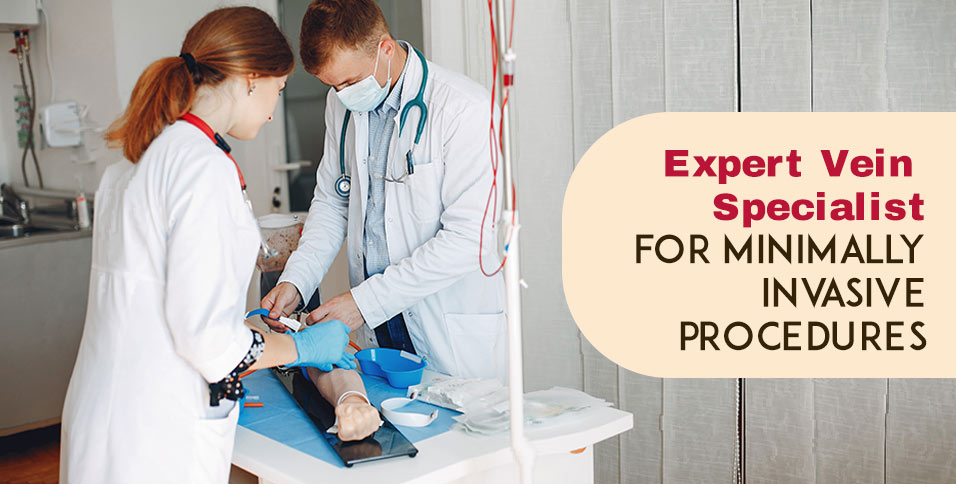
Preparation is straightforward: patients typically stop certain medications per instructions, arrange transport if needed, and wear loose clothing. Procedures are usually done in an ambulatory suite: local anesthetic and light sedation may be used.
During the procedure, ultrasound guides access and device placement: the specialist continually monitors progress. Procedures often last 30–90 minutes, depending on complexity. Patients can usually walk immediately afterward and are discharged the same day with compression stockings and aftercare instructions.
For clinic marketers, clear “what to expect” pages that demystify each step and include recovery timelines tend to reduce no-show rates and increase patient satisfaction scores.
Benefits Versus Traditional Surgery
Minimally invasive vein procedures offer multiple advantages over traditional open surgery:
- Shorter recovery: Patients often return to normal activities within days versus weeks.
- Lower complication rates: Less blood loss, lower infection risk, and reduced nerve injury.
- Office-based care: Many procedures avoid general anesthesia and hospital stays.
- Better cosmetic results: Smaller puncture sites and less scarring.
That said, patient selection is key. In a minority of complex cases, large recurrent varicosities or specific anatomic challenges, open surgery or hybrid approaches remain appropriate. A vein specialist assesses candidacy and tailors the plan to the patient’s goals.
Choosing the Right Vein Specialist
Picking the right specialist influences outcomes and experience.
Credentials, Experience, and Subspecialty Training to Look For
- Board Certification: In vascular surgery, interventional radiology, or cardiovascular medicine, depending on the scope of practice.
- Fellowship Training: Additional subspecialty training in venous disease or endovascular therapies is a plus.
- Case Volume: Higher procedure volumes generally correlate with improved outcomes.
- Facility Accreditation: Office-based labs accredited for venous procedures indicate adherence to safety standards.
Marketing teams should highlight these credentials prominently on provider pages and use patient testimonials to validate experience.
Questions to Ask During Your Consultation
- What imaging will be used and can I review the images?
- Which procedure do you recommend and why?
- What are the expected outcomes and recurrence rates for my condition?
- What’s the recovery timeline and activity restrictions?
- How are complications handled and what’s your complication rate?
Good consultations balance clinical detail with clear next steps; content that mirrors this approach converts better for appointment bookings.
Recovery, Aftercare, and Outcomes
Most patients recover quickly with predictable aftercare.
Typical Recovery Timeline and At-Home Care
- First 24–48 hours: Mild soreness, bruising, and tightness are common. Walking is encouraged to prevent stiffness.
- First week: Continued use of compression stockings as directed, avoid heavy lifting or high-impact exercise for 1–2 weeks.
- 2–6 weeks: Gradual return to full activity: follow-up ultrasound may verify vein closure.
Adherence to compression and follow-up schedules reduces recurrence and improves comfort.
Possible Risks, Complications, and When to Seek Help
Complications are uncommon but can include deep vein thrombosis, superficial thrombophlebitis, infection, or transient nerve irritation. Patients should contact their provider for increasing pain, redness that suggests infection, sudden calf swelling, chest symptoms, or new shortness of breath. Clear discharge instructions and accessible follow-up care are markers of a high-quality practice and should be emphasized in patient-facing materials.
Insurance, Cost Considerations, and Accessing Care
Coverage and cost vary by insurer, diagnosis, and procedure. Many minimally invasive treatments for symptomatic venous disease are covered when documentation shows functional impairment (pain, swelling, ulceration). Cosmetic procedures solely for appearance may not be covered.
Patients should verify benefits and precertification requirements. Vein clinics often assist with insurance navigation and provide pricing for self-pay options. For marketers at clinics, transparent pricing pages, benefit check tools, and clear FAQs reduce friction and improve conversion.
Conclusion
Vein specialists provide targeted, minimally invasive solutions that restore function, reduce symptoms, and improve cosmetic concerns with less downtime than traditional surgery. Patients benefit from specialist-led diagnostics, evidence-based procedural choice, and structured aftercare. For medical practices, clear messaging about symptoms, diagnostic pathways, procedure specifics, credentials, and insurance guidance improves patient trust and appointment conversions.