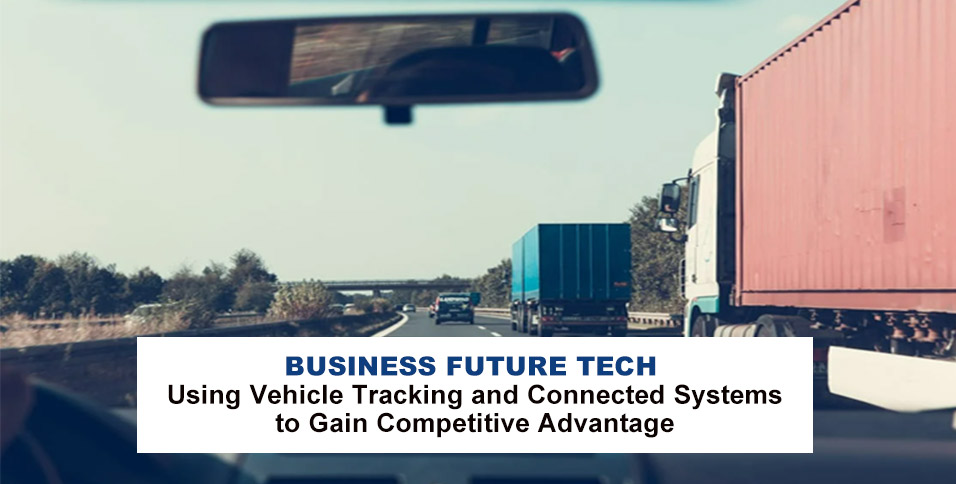
The business world is undergoing a deep and transformative change fueled by new technologies like artificial intelligence, Internet of Things (IoT), blockchain, and next-generation telematics. These technologies are not just technological improvements, they are paradigm changes to the way organizations compete, operate, and provide value to consumers. In the transportation and logistics industry, vehicle tracking solutions are leading the charge, illustrating how networked technologies drive real competitive differentiation across industries.
As companies struggle with growing operational complexity, supply chain interruptions, and changing customer expectations, the companies that successfully implement smart technologies into their operations are becoming industry leaders. The intersection of real-time data collection, predictive analytics, and automated decision-making is bringing unprecedented opportunity for optimization, risk reduction, and strategic innovation. For companies running vehicle fleets, be they in delivery, construction, field services, or transportation the stakes have never been greater, and the payoff from technological adoption has never been higher.
Vehicle Tracking as a Foundation Technology for Efficiency
Current vehicle tracking solutions assist companies in tracking and streamlining all aspects of their fleets using complex integrations of GPS technology, cellular communications, and high-end telematics sensors. These systems remotely collect and send real-time information regarding vehicle location, speed, fuel usage, engine condition, driver habits, and scores of other operational metrics. What started as basic location tracking has become full-fledged fleet intelligence systems delivering 360-degree visibility into mobile operations.
The corporate advantages of vehicle tracking go far beyond simple location awareness. Companies that install these systems usually realize immediate gains in fuel efficiency, with numerous examples of savings of 10-20% through optimized routing, minimized idling time, and improved driving behavior. Route optimization software based on real-time traffic conditions and historical trends can cut the total driving time up to 30%, directly contributing to productivity and customer satisfaction. Fleet visibility allows dispatchers to make smart assignments of jobs, emergency response, and customer communications, while automated reporting minimizes administrative burden and ensures more accurate reports.
The efficiency benefits add up over time as companies become proficient at using the rich data streams provided by their tracking systems. Maintenance scheduling is proactive instead of reactive, lowering unplanned breakdowns and improving vehicle lifecycles. Driver performance measures allow for focused training programs that enhance safety and save operational expenses. Customer service is enhanced by reliable arrival time estimation and notification in advance of delays or schedule changes. These aggregate benefits form sustainable competitive advantages that are more challenging for the competition to replicate.
Risk Management and Compliance with Connected Systems
Vehicle tracking and telematics solutions are effective risk management tools, helping to overcome some of the biggest issues for fleet-reliant organizations. Theft protection features encompass real-time alerts for misuse of a vehicle, geofencing notifications when vehicles enter or exit assigned locations, and remote immobilization capabilities that can even lock out a stolen vehicle from being driven. Such security features do more than safeguard valuable assets, but they also bring peace of mind to business owners and fleet managers.
Driver monitoring is another key risk management use, with systems able to identify and report speeding, aggressive braking, hard acceleration, and other unsafe driving behaviors. This information allows fleet managers to pinpoint high-risk drivers, undertake strategic training initiatives, and design incentive programs that reward safe driving practices. The outcome is usually a noteworthy reduction in accidents, claims, and related expenses. Many insurance providers now offer premium discounts for fleets equipped with telematics systems, recognizing the proven correlation between monitoring technology and improved safety outcomes.
Regulatory compliance is easier with automated logging and reporting features. Environmental regulations, industry mandates, and hours of service compliance can be tracked and recorded automatically, lessening the administrative load on drivers and fleet managers while maintaining consistent compliance with legal mandates. Automated compliance lowers the risk of infringements, fines, and work stoppage while offering auditable evidence for regulatory audits.
Data-Driven Decision Making
The intelligence created by vehicle tracking systems enables organizations to transform raw data into executable business intelligence. Contemporary fleet management platforms easily integrate with business intelligence software, enterprise resource planning systems, and customer relationship management suites, creating unified dashboards that give stakeholders real-time insight into operational performance. Data-driven decision making is possible at all levels of the organization, from tactical operational changes to strategic planning and resource allocation.
Predictive maintenance features are a classic example of data-driven fleet management power. By scrutinizing engine diagnostics, usage, and past maintenance history, such systems can anticipate component failures and perform preventive maintenance accordingly. This minimizes surprise breakdowns, keeps the downtime low, and optimizes maintenance expenses while maximizing vehicle lifespans. Fleet managers can monitor key performance indicators like fuel consumption trends, driver performance, and maintenance per mile, to facilitate continuous improvement programs that generate long-term operating excellence.
Performance benchmarking is only an option when there is access to thorough operational data. Fleet managers can measure driver performance, routing efficiency, and vehicle utilization between different teams, regions, or periods and identify best practices that can be used across the enterprise. This analytical potential facilitates strategic decision making regarding fleet growth, technology investment, and operational optimization so that business development is informed by data along with intuition.
The Future of Connected Business Technology
Technological evolution in vehicle tracking is speeding up as it merges with other technologies to form highly advanced connected business environments. Coupling with IoT sensors allows tracking of the conditions of cargo, the status of equipment, and environmental conditions that influence operations. Artificial intelligence and machine learning algorithms are being incorporated into fleet management software to deliver predictive analytics, automated optimization, and intelligent decision support beyond rudimentary rule-based systems.
Computer vision and AI-driven driver monitoring systems (DMS) are the new frontier in fleet safety technology. These can identify driver fatigue, distraction, and other signs of impairment in real-time, sending immediate alerts and interventions that help prevent accidents before they happen. Merging these advanced safety solutions with vehicle tracking platforms enables end-to-end risk management capabilities that cover both vehicle and human factors involved in fleet operations.
Blockchain technology is starting to have an impact in fleet operations via secure data exchange, smart contracts for automated payment and adherence, and tamper-evident records for maintenance history and asset origins. As supply chain visibility becomes ever-more critical to customers and regulators alike, blockchain-powered vehicle tracking systems will deliver the verification and traceability functionality that today’s businesses demand.
The “smart fleets” idea is the integration of vehicle tracking, artificial intelligence, self-driving vehicle technology, and high-level connectivity. Fully autonomous commercial fleets are still several years in the future, but the underlying technologies being rolled out now are high-level tracking and telematics systems, for example, laying the infrastructure and data foundation upon which tomorrow’s autonomous operation will be made possible.
Competitive Advantage Through Technology Integration
Organizations that embrace vehicle tracking as one component of a larger digital transformation strategy put themselves in the position to unlock maximum value from their technology investments. Instead of standing alone with tracking systems, innovative companies embed these capabilities within their overall technology infrastructure, generating synergies that enhance the value of each stand-alone system.
Competitive benefits generated by the widespread rollout of vehicle tracking go beyond operational effectiveness to encompass better customer service, reduced accident rates, lower insurance premiums, improved regulatory compliance, and the potential to provide new services supported by real-time visibility and data analytics. Over time, these benefits reinforce each other in creating sustainable differentiation that becomes harder for rivals to match.
Businesses that invest in vehicle tracking now will be well placed to succeed in tomorrow’s connected business world. As expectations of customers for transparency, reliability, and quality of service keep on increasing, and as regulations stiffen, the companies having strong tracking and analysis capabilities will be in the best position to tackle these challenges while ensuring efficiency of operations and profitability. The future is for companies that are able to incorporate higher technologies into their operations, and car tracking is a proven way to pave the future.