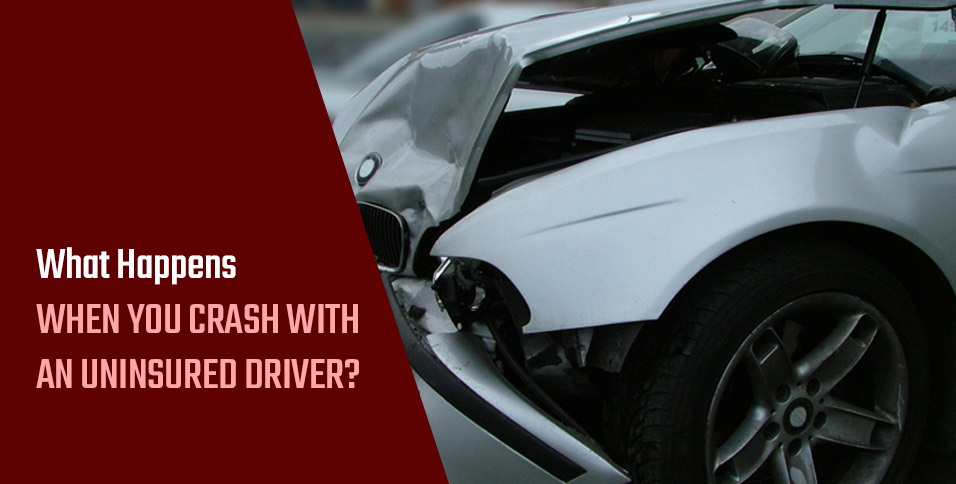
Car accidents often leave drivers shaken and having to deal with damage, medical problems, and insurance paperwork. Even a minor accident can disrupt your day, and without the right information, handling the aftermath can feel overwhelming.
When dealing with an uninsured driver, the situation becomes even more complicated. You may end up with unexpected repair costs, hospital bills, and rental car fees.
Being aware of your coverage and seeking specialist advice can protect your wallet and reduce the frustration of dealing with an uninsured motorist. What happens after the crash?
Exchange Information and Report the Accident
Always collect the details of the other driver, even if he or she is not insured. These include name, phone number, address, vehicle registration number, and driving license details.
Take good pictures of the accident site, all the damage on the vehicles, skid marks, road signs, and any other evidentiary photographs. Report the incident to your insurance company and local authorities. In fact, documentation makes your claim solid and protects you from potential disputes in the future.
Know Your Insurance Options
If the other driver is uninsured, your own policy will often dictate what occurs next. Most policies have Uninsured Motorist Coverage (UM) or Uninsured Motorist Property Damage (UMPD). It covers medical bills, lost wages, and car repairs. Review your policy limits carefully and notify your insurer as soon as possible to ensure coverage applies and to start the claims process promptly.
Handle Medical Expenses
Even minor injuries, like whiplash or soft tissue damage, may worsen over time. If the at-fault driver is uninsured, your health insurance may cover treatments, doctor visits, hospital stays, and prescriptions. Keep full records of all medical contacts, including bills, diagnoses, and treatment plans, to support any insurance or legal claims.
Vehicle Repairs and Rental Cars
Without the other party’s insurance, you may need to rely on your collision coverage to get the car fixed. Your insurer will be able to direct you to authorized repair centers, and some policies cover rental car expenses while your car is being repaired. Save receipts and keep repair estimates so you receive full reimbursement.
Legal Action
If you can’t collect damages from an uninsured driver or your coverage isn’t sufficient to keep you safe, seek legal recourse. You can hire a car accident attorney to review your case. They can help you estimate settlements or take the case to civil court.
Future Precautions
Accidents with uninsured drivers highlight the need to review your insurance regularly. Make sure that you have adequate UM coverage, collision protection, and roadside assistance. Keeping your policy up to date reduces financial exposure and ensures you’re ready if another accident occurs.
Notify Your Creditors or Lienholders
If your car is financed or leased, report the accident to your lender. Uninsured accidents can affect loan agreements if damage is not repaired, and alerting your lienholder keeps you in good contract standing while protecting your financial interest in the vehicle.
Consider Counseling or Support Services
Even minor accidents can lead to stress or anxiety, particularly if there is a dispute regarding insurance or damages. You can engage in counseling or support services to manage the emotional and mental health impacts.
Final Thoughts
Being involved in an accident with an uninsured motorist is a hassle and will cost you a significant amount of money. But understanding your options makes you the captain of your soul without the inconvenience.
Reporting the accident, claiming on your own policy, and seeking guidance if needed helps keep things cheap and at ease.