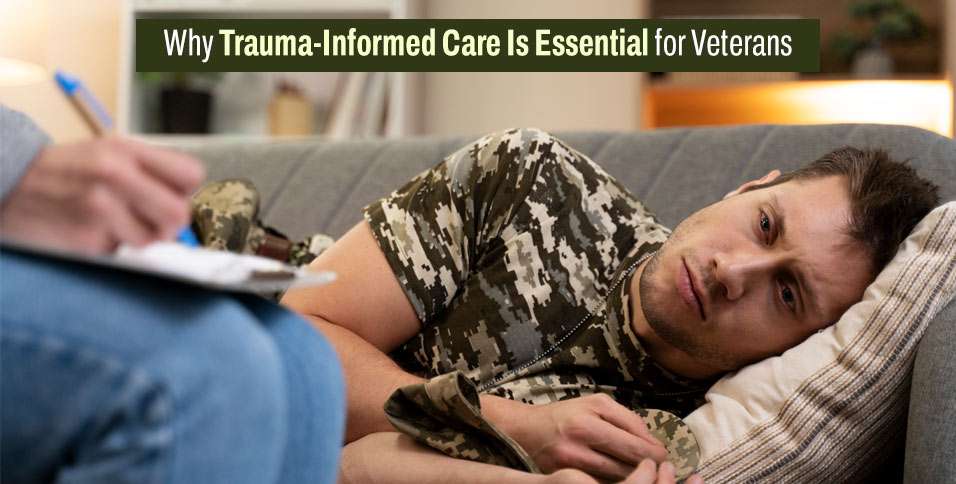
For many veterans, the effects of trauma do not end when service does. Combat exposure, military sexual trauma, moral injury, and repeated high-stress environments can leave lasting psychological imprints that shape how individuals think, feel, and respond to the world around them. When these experiences contribute to post-traumatic stress disorder, the path to recovery often requires a level of care that prioritizes safety, structure, and deep clinical understanding.
Programs such as ptsd inpatient treatment centers for veterans play a critical role in this process because they offer an environment where trauma-informed care is not optional, but foundational. From a behavioral health perspective, trauma-informed care addresses the root drivers of symptoms. From a marketing perspective, it represents an ethical and effective way to communicate trust, credibility, and real value to veterans and their families.
Understanding Trauma Through a Veteran Lens
Trauma in military populations often differs from civilian trauma in both intensity and context. Veterans may experience repeated exposure to life-threatening situations, loss of fellow service members, or events that conflict with deeply held moral values. These experiences can lead to hypervigilance, intrusive memories, emotional numbing, sleep disruption, and difficulty regulating emotions.
In inpatient settings, these symptoms are often more acute. Veterans entering inpatient treatment may be dealing with severe PTSD symptoms, co-occurring substance use, depression, or suicidal ideation. Trauma-informed care recognizes that these behaviors and symptoms are not signs of resistance or failure, but adaptive responses to overwhelming experiences.
For providers, this understanding shapes clinical decisions. For marketers, it shapes messaging. When outreach reflects awareness of how trauma affects behavior, veterans are more likely to feel understood rather than judged.
What Trauma-Informed Care Really Means
Trauma-informed care is not a single therapy or technique. It is an overarching framework that influences how treatment environments are designed, how staff interact with clients, and how care plans are developed.
Core principles include physical and emotional safety, trustworthiness, transparency, collaboration, choice, and empowerment. In practice, this means veterans are informed about what to expect, given agency in their treatment process, and treated with respect at every stage of care.
In inpatient settings, where structure is unavoidable, trauma-informed care ensures that structure does not become control. Rules, schedules, and boundaries are explained clearly and applied consistently, reducing the likelihood of retraumatization.
Why Inpatient Settings Require Trauma-Informed Design
Inpatient treatment can be life-changing, but it can also be triggering if not designed carefully. Locked units, unfamiliar routines, authority dynamics, and loss of personal autonomy can echo aspects of traumatic experiences if trauma is not accounted for.
Trauma-informed inpatient programs mitigate these risks by training staff to recognize trauma responses, de-escalate distress, and respond with empathy rather than punishment. Clinical teams are attuned to nonverbal cues, emotional shifts, and stress reactions that may not be immediately articulated.
From a behavioral health standpoint, this approach improves engagement and reduces premature discharge. From a marketing standpoint, it supports messaging around safety, dignity, and respect, which are especially important to veterans who may already feel wary of institutional systems.
Addressing PTSD and Co-Occurring Conditions Together
Many veterans with PTSD also struggle with substance use, anxiety, depression, or chronic pain. Trauma-informed care recognizes that these conditions are often interconnected rather than separate problems.
Inpatient programs that address PTSD in isolation may miss critical drivers of relapse or emotional instability. Integrated treatment models allow clinicians to address trauma symptoms while also supporting sobriety, mood regulation, and physical health.
Clear communication about this integration matters. Marketing that explains how PTSD treatment fits alongside substance use treatment or mental health support helps families and referral partners understand why comprehensive care is necessary, not excessive.
Trust as the Foundation of Engagement
Trust is a central issue for many veterans entering treatment. Past experiences with authority, institutions, or healthcare systems may influence how safe it feels to open up.
Trauma-informed care prioritizes trust-building from the first interaction. This includes transparent intake processes, respectful language, and consistent follow-through. Veterans are more likely to engage fully when they believe their autonomy will be respected and their experiences will not be minimized.
From a marketing perspective, trust is built before a veteran ever enters treatment. Language that avoids sensationalism, acknowledges complexity, and sets realistic expectations signals integrity. Veterans tend to respond more positively to honest communication than to overly polished promises.
The Role of Evidence-Based Trauma Therapies
Trauma-informed inpatient programs often incorporate evidence-based therapies such as cognitive processing therapy, prolonged exposure, EMDR, and other modalities shown to reduce PTSD symptoms. These approaches are delivered within a supportive framework that accounts for pacing, readiness, and individual tolerance.
Education plays a role here as well. Resources from the National Institute of Mental Health reinforce that PTSD is a treatable condition and that structured, evidence-based care improves outcomes. Referencing reputable research supports both clinical credibility and public understanding.
For marketers, aligning messaging with evidence-based practices helps avoid vague claims and positions programs as grounded in science rather than trend-driven approaches.
Why Trauma-Informed Care Improves Retention and Outcomes
Veterans are more likely to remain in treatment when they feel safe, respected, and involved in their care. Trauma-informed environments reduce dropout rates by addressing fear and resistance before they escalate.
Clinically, this leads to better symptom reduction, stronger coping skills, and improved emotional regulation. Over time, veterans gain confidence in managing triggers and rebuilding relationships.
From a systems perspective, improved retention supports better outcomes and more efficient use of resources. From a marketing perspective, it reinforces long-term credibility because programs that deliver meaningful outcomes rely less on aggressive outreach and more on trust-based referrals.
Communicating Trauma-Informed Values Ethically
Behavioral health marketing has a responsibility to reflect the realities of trauma care without exploiting it. Trauma-informed messaging avoids graphic language, fear tactics, or oversimplified narratives.
Instead, it emphasizes support, structure, expertise, and collaboration. It explains what trauma-informed care looks like day to day and why it matters for recovery.
When marketing aligns with lived experience, veterans and families are more likely to feel confident that a program understands their needs and respects their journey.
When Care Honors Experience, Healing Becomes Possible
Trauma-informed care is not an enhancement to veteran treatment. It is the standard that makes treatment effective, humane, and sustainable. In inpatient settings especially, where vulnerability is high and control is limited, this approach can mean the difference between disengagement and meaningful progress.
For veterans, trauma-informed care creates space for healing without fear. For providers, it improves outcomes and strengthens trust. For marketers, it offers a clear, ethical narrative rooted in respect and evidence rather than promises.
Where Healing Begins With Understanding
Veterans deserve care that honors what they have lived through and supports where they are going next. Trauma-informed inpatient treatment provides that foundation by treating trauma not as a barrier, but as a context for healing.