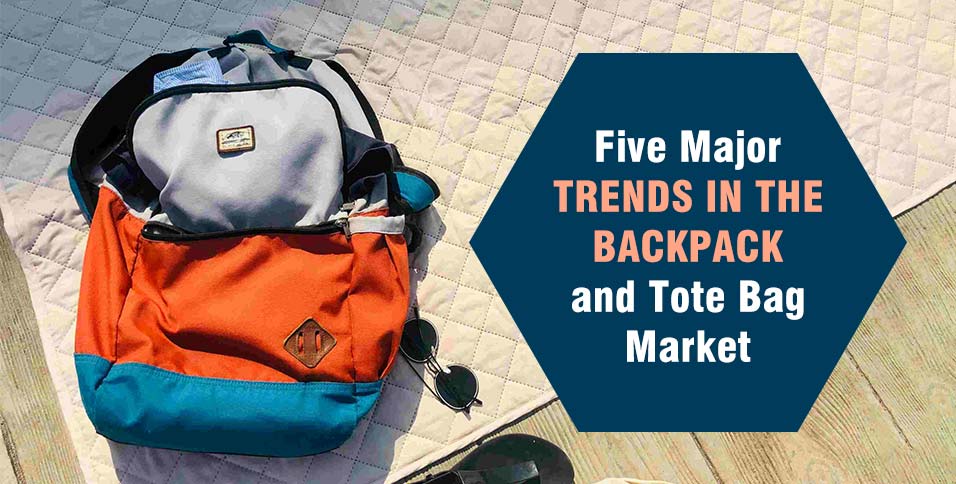
The digital age has made information exchange more frequent than ever before, and aesthetic and fashion communication has also rapidly developed by riding the fast track of short videos. We are living in an era of rapidly changing consumer demands, where backpacks and tote bags, as categories that combine functionality with fashion while offering tremendous brand communication value, are becoming increasingly important in retail strategy. Below are five key trends affecting this market.
1. Precision Data Insights: From Social Feedback to Product Innovation
Traditional product development relied on designer intuition, but today it has been replaced by data-driven precision insights. Brands now gather authentic consumer preferences through the following methods:
Social Media Trend Analysis: Through Instagram hashtags, Pinterest save data, and TikTok engagement metrics, brands identify trending colors, materials, and functional design preferences. For example, when “sage green bags” gains high engagement rates across social platforms, brands can quickly capture this trend signal.
E-commerce Platform Behavior Tracking: Analyzing user browsing patterns, dwell time, and purchase conversion rates to precisely identify consumer pain points. Amazon’s “frequently bought together” data reveals consumer needs for accessory coordination and complementary products.
In-Store Feedback Loops: Using RFID technology to track trial frequency, combined with sales data to create comprehensive consumer behavior profiles that inform future design decisions.
This data-driven approach has generated demand for agile supply chains. Brands now prefer to launch small batches of 300-500 units to test market response, using actual sales data to determine whether to scale up production—thereby reducing trial and error costs by 60-80%. As a result, manufacturers capable of handling flexible small-batch orders have become a scarce and valuable resource.
2. The Rise of Private Labels
In the U.S. market, the share of private label brands grew from 17.7% in 2019 to 19% in 2023. This trend is even more evident in the backpack and tote bag categories.
Why have backpacks and tote bags become a top choice for many startups looking to build their own brands? There are three main reasons:
a. Unlike luxury goods or fashion brands, consumers tend to focus more on the quality and design of backpacks and tote bags rather than brand reputation. This weakens the influence of well-known brands and gives startups a chance to compete. In these two categories, brand power is less dominant, so newcomers with high-quality products and reasonable pricing can gain strong recognition. Even the long-established players are not unbeatable.
b. Low production barriers – After decades of development, the backpack industry already has mature and standardized manufacturing processes. The relatively low entry threshold means that there are many suppliers in the market. This intense competition drives manufacturers to continuously improve their production methods and service quality. For retailers, it means plenty of reliable partners to choose from, which reduces risks and startup costs significantly. Partnering with a custom backpack manufacturer allows new brands to design products tailored to their target market while ensuring manufacturing expertise.
c. According to 2024 data, the global backpack market has reached a value of $44.1 billion, indicating a huge market capacity—especially in the United States, where consumer demand is particularly strong. On top of that, the U.S. has a well-established sports and outdoor culture, which provides a solid user base for the backpack category, especially for outdoor and sports backpacks.
Profit Enhancement
Under traditional wholesale models, retailers typically achieve gross margins of 40-50%, but private label brands can reach 60% or even 70%. Target’s Wild Fable serves as a classic example—Wild Fable exceeded $2 billion in sales within just over a year of launch, becoming one of Target’s most successful private label brands.
OEM: A Double-Edged Sword
OEM partnerships often come with certain risks: severe homogenization among manufacturers, and this collaboration model creates heavy dependence on OEMs. Finding a trustworthy manufacturer requires some luck and trial-and-error costs. However, the benefits of OEM collaboration lie in helping startups solve production pain points, and good OEM manufacturers can also provide solid quality assurance.
How to find the right balance between standardized production and brand style differentiation remains a market challenge that companies must face today.
3. Sustainability: No Longer Just a Marketing Slogan
Consumers are placing increasing importance on product sustainability. According to a 2024 Nielsen survey, 73% of global consumers are willing to pay a premium for sustainable products. Additionally, the continuous introduction of environmental legislation in the EU, California, and other regions has elevated sustainability trends to new heights in the bag industry.
Some retail buyers are now demanding traceability in environmental practices, frequently requiring manufacturers to provide detailed material sourcing documentation and environmental certifications. The demand for eco-friendly materials such as bio-based leather and recycled polyester fibers continues to grow in the materials market.
Walmart has begun incorporating product sustainability features into its supplier evaluation system, forcing upstream supply chain participants to undergo technological upgrades. Those brands capable of providing comprehensive sustainable solutions have gained more significant competitive advantages.
4. Functional Expansion Is Winning Over Customers
According to market data, consumers now prefer bags that integrate multiple functions into one product. In 2024, sales of multifunctional bags increased by 12.3%, far surpassing those of single-function bags. On Amazon, multifunctional bags also rank among the top-selling products.
Take the rapidly growing category of “Tech Tote” as an example. These products combine the fashionable appearance of traditional tote bags with built-in laptop compartments, cable management systems, and other practical features. They can be used for commuting to work, styled casually for shopping, or even come in handy while traveling. These products are often listed under multiple categories such as “Fashion Accessories,” “Computer Accessories,” and “Business Supplies,” which greatly expands their potential customer base.
5. Adjust Strategies Flexibly Amid Frequent Changes in Trade Policies
Global trade policies are constantly changing, pushing tote bag and backpack retailers to expand their supply chain operations across more countries. However, this also increases their management costs.
Finding a supplier with production bases in multiple countries becomes an effective solution. For example, Synberry offers flexible production options to its clients by operating factories in both China and Cambodia, helping them avoid risks from tariff policy changes.
Also Read: Running Backpacks vs. Hydration Packs: What’s Best for You?