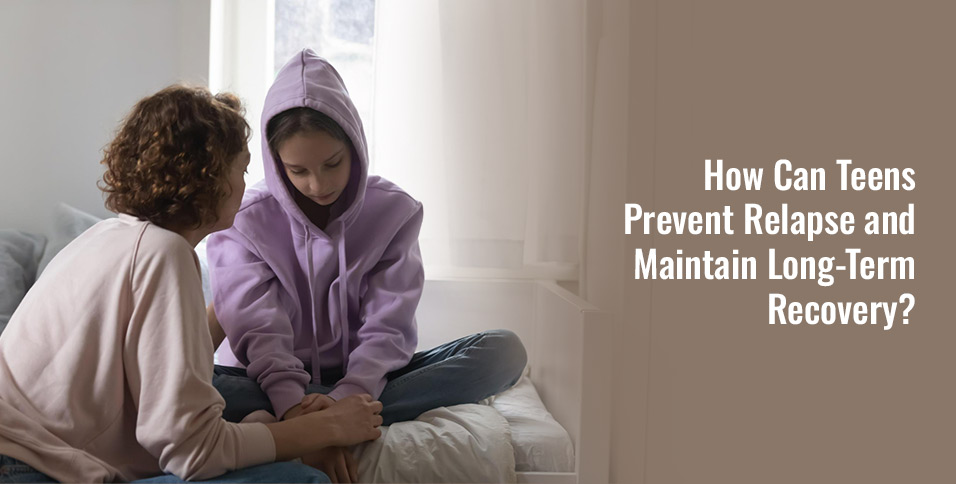
Why Teen Recovery Requires Ongoing Support
Recovery is never a one-time event—especially for teenagers. Teens face unique pressures, changing environments, and emotional challenges that can make long-term sobriety difficult without continued support. School stress, social dynamics, peer influence, and developing coping skills all play a role in how teens maintain recovery after treatment. According to the National Institute on Drug Abuse (NIDA), adolescence is a high-risk period for substance use due to ongoing brain development, particularly in regions responsible for decision-making and impulse control: https://nida.nih.gov/
Understanding these challenges is the first step in helping teens build the resilience they need for long-term success.
The Importance of Structure After Treatment
Consistent Routines Support Stability
After completing a treatment program, teens benefit from predictable routines. Structure helps reduce uncertainty and keeps teens focused on healthy behaviors. This includes regular sleep schedules, school responsibilities, hobbies, therapy appointments, and positive social activities.
Accountability Systems Keep Teens on Track
Weekly check-ins with counselors, ongoing outpatient sessions, or participation in recovery groups can reinforce coping strategies and provide safe spaces to process stress. Adolescents thrive when adults offer compassionate accountability rather than punishment.
Building Strong Coping Skills
Managing Stress in Healthy Ways
Stress is one of the most common relapse triggers for teens. Without healthy coping strategies, they may return to old behaviors when overwhelmed. Useful stress-reduction tools include journaling, deep breathing, mindfulness, creative expression, and physical movement like sports or walking.
Understanding Emotional Triggers
Teens often feel strong emotions without knowing how to manage them. Identifying triggers—such as conflict at home, academic pressure, or social rejection—helps them recognize early warning signs of relapse. Therapy gives teens a framework to understand their emotions and respond more intentionally.
The Role of Peers and Social Environments
Choosing Friends Who Support Recovery
Peer influence is powerful. Friends who use substances or pressure others to fit in can quickly derail a teen’s progress. Encouraging teens to build friendships around shared interests—sports, arts, clubs, gaming, or volunteering—helps them stay connected without feeling isolated.
Creating Safe Social Opportunities
Teens need fun and connection. Providing substance-free activities, game nights, outings, or supportive youth groups helps them maintain a sense of belonging while prioritizing health.
Family Involvement Makes a Major Difference
Open Communication
Families who practice honest, nonjudgmental communication help teens feel safe coming forward when they’re struggling. Blame and criticism often push teens back into secrecy, while understanding opens the door to problem-solving.
Setting Healthy Boundaries
Teens benefit from clear expectations, consistent consequences, and supportive boundaries. This helps them navigate responsibility while still feeling cared for.
Family Therapy and Education
Substance use affects the whole family. Family therapy helps rebuild trust, improve communication, and strengthen the home environment. Parents also learn how to respond to early warning signs and support their teen’s recovery without enabling harmful behaviors.
Continuing Care After Treatment
Why Aftercare Matters
Even after completing a program, ongoing support is essential. Teens often transition through major life changes—new schools, shifting friend groups, or increasing independence. Aftercare gives them a safe foundation as they navigate these transitions.
Programs Designed for Teens
Specialized programs such as rehab teens support adolescents with age-appropriate therapy, peer groups, academic guidance, and life-skill development. These programs help teens maintain the progress they’ve made and stay connected to positive influences.
What Teens Can Do to Protect Their Progress
Stay Connected to Support
Whether it’s a therapist, mentor, sponsor, or trusted adult, ongoing connection helps teens stay grounded.
Use Healthy Tools Daily
Even simple habits—hydration, physical activity, sleep, creative hobbies—can stabilize emotions and reduce relapse risk.
Speak Up When Struggling
Relapse often begins long before substances reappear. Encouraging teens to talk openly about stress, cravings, or negative thoughts helps them get help early.
Help Teens Build a Future They’re Proud Of
Teen recovery is a journey, not a destination. With strong support systems, healthy routines, and ongoing care, young people can build lasting resilience and thrive long after treatment. If you or a loved one is seeking age-appropriate support, programs focused on rehab for teens can provide the structure, guidance, and encouragement needed to maintain long-term recovery and grow into a healthier, more confident future.