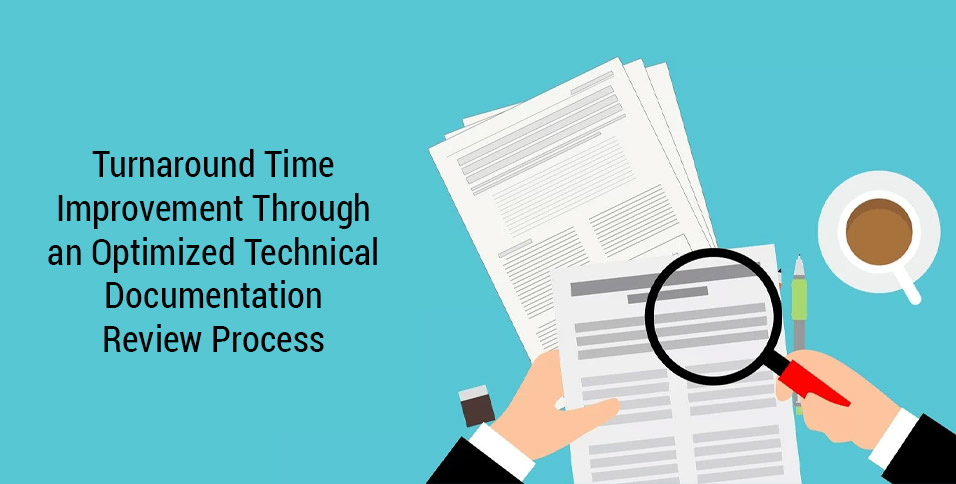
Every organization depends on accurate, clear, and well-structured technical documentation. Whether it’s manuals, product guides, process documents, or engineering specifications, these documents must be reviewed carefully before they are released. However, traditional review workflows are slow, repetitive, and prone to delays. This is where focusing on turnaround time improvement combined with an efficient technical documentation review process can make a significant difference. When businesses optimize how documentation is reviewed, they not only speed up approvals but also reduce errors, improve quality, and deliver results faster.
1. Why Turnaround Time Matters in Documentation Review
Turnaround time (TAT) is one of the most important metrics for content, product, and engineering teams. Delays in reviewing documents affect multiple departments:
- Product releases get postponed
- Developers wait for specifications
- Customers receive incomplete or outdated documents
- Compliance timelines are missed
In competitive industries, even a small delay can impact customer satisfaction, product adoption, and internal productivity. Reducing TAT during the technical documentation review process ensures that important information reaches the right people at the right time.
2. Common Challenges in Documentation Review
Many organizations follow manual review methods that lead to slowdowns. Some of the common issues include:
a. Too Many Reviewers
Documents often circulate between multiple teams – engineering, QA, legal, compliance, product, and operations. When there is no structure, reviews become confusing and slow.
b. Lack of Version Control
Reviewing different document versions creates confusion. Tracking comments and changes across multiple files is time-consuming and error-prone.
c. Manual Communication
Using emails or chats to send documents often leads to missed updates, lost versions, or repeated efforts.
d. Absence of Workflow Automation
Without automated routing, reminders, and role-based access, the process becomes dependent on human follow-ups, which are slow.
e. No Standard Review Checklist
Without guidelines or checklists, reviewers often take extra time, repeat steps, or overlook important sections.
These challenges collectively increase turnaround time and reduce the quality of documentation.
3. Benefits of Optimizing the Technical Documentation Review Process
An optimized review process brings structure, clarity, and accountability. Some key benefits include:
a. Faster Feedback Cycles
A structured workflow ensures that documents move quickly from one reviewer to another. No more waiting for manual follow-ups.
b. Consistent Quality
With checklists and standardized formats, every document meets the same quality standards.
c. Real-Time Tracking
You can see exactly where the document is in the review cycle, who is responsible, and how long each stage is taking.
d. Reduced Errors
Automation ensures fewer manual mistakes, fewer missed comments, and better accuracy.
e. Higher Productivity
Teams spend less time searching for documents, tracking updates, or repeating reviews.
4. Steps to Improve Turnaround Time Through an Optimized Review Workflow
To reduce turnaround time, organizations should follow a structured approach:
Step 1: Define the Review Stages Clearly
Break the review process into smaller steps such as:
- Initial draft creation
- Peer review
- Technical accuracy check
- Compliance verification
- Final approval
Everyone should know their role and when they are expected to review.
Step 2: Create a Standard Review Checklist
Checklists ensure that reviewers know what to look for. A good checklist may include:
- Accuracy of technical content
- Formatting and style guidelines
- Completeness of information
- Clarity of language
- Compliance requirements
This minimizes back-and-forth corrections.
Step 3: Use Workflow Automation
Automated workflows move documents smoothly between reviewers. Workflow automation can:
- Assign tasks automatically
- Send reminders
- Track pending reviews
- Maintain version history
- Provide real-time status visibility
This eliminates delays caused by manual communication.
Step 4: Keep All Versions in a Central Repository
Use a system that maintains:
- Version control
- Document history
- Comment tracking
- Change logs
This helps reviewers stay updated without confusion.
Step 5: Set Turnaround Time Targets
Define expected review timelines, such as:
- Peer review: 24–48 hours
- Technical review: 48–72 hours
- Final approval: 24 hours
When targets are clear, teams work faster and more efficiently.
Step 6: Enable Parallel Reviews Wherever Possible
Instead of sequential review, allow certain reviews (like formatting and technical checks) to happen simultaneously. This can reduce the total review time significantly.
Step 7: Use Metrics to Improve Continuously
Track metrics such as:
- Average review cycle time
- Number of revisions
- Review delays by stage
- Error rate after publishing
These insights help refine the process further.
5. How Workflow Automation Tools Help Improve Turnaround Time
Modern workflow automation platforms streamline documentation reviews by providing:
- Automated routing
- Deadline-based reminders
- Customizable workflows
- Document approval tracking
- Audit trails
- Comment management
- Integration with content tools
They eliminate manual delays and ensure a faster, smoother review process.
For example, using a no-code workflow tool allows organizations to design and automate the entire documentation cycle without technical effort. This ensures consistent review standards and dramatically reduces turnaround time.
Conclusion
Improving the speed and accuracy of documentation review is essential for any organization aiming to work efficiently. By optimizing the technical documentation review process and focusing on turnaround time improvement, businesses can ensure that documents move faster, errors are reduced, and teams stay productive. With a structured workflow, automated approvals, and real-time tracking, documentation becomes easier to manage and quicker to complete. In today’s fast-paced business environment, optimizing this process is not just a good practice – it is a competitive advantage.