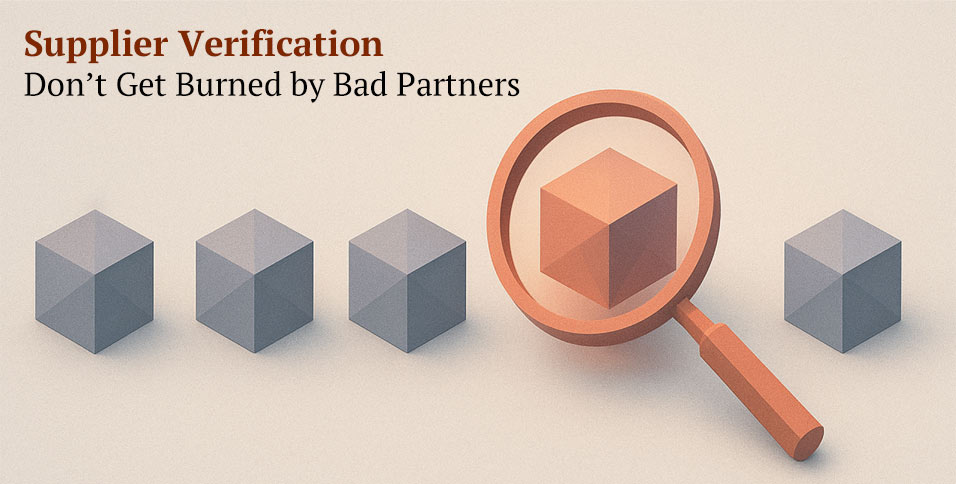
Finding suppliers isn’t hard. Finding good ones? That’s where most buyers stumble. I’ve seen companies lose six figures because they skipped basic checks on a factory that looked great on Alibaba. Supplier verification isn’t sexy, but it’s what separates pros from amateurs in global sourcing.
EaseSourcing built their whole business around this problem. They watched buyers drown in supplier emails and created an AI system that handles the grunt work—screening factories, standardizing quotes, and delivering a clean shortlist you can actually use. But whether you use their platform or do it old-school, you need to understand what real verification looks like.
The Verification Basics Everyone Ignores
Here’s what happens when you don’t verify: You send a deposit. The factory ghosts you. Or they ship garbage and disappear. Or you find out they’re just a trading company pretending to own a factory. These aren’t rare horror stories. They happen daily.
Start simple. Check their business license. Is it real? Match the company name exactly—sometimes “ABC Manufacturing” and “ABC Industrial” are totally different entities. Look at when they registered. A factory opened last month isn’t automatically a scam, but it needs extra scrutiny. Ask for their export license number. Verify it with customs records if you can.
Bank references matter too. Legitimate suppliers have banking relationships. Ask which banks they use. Call the bank. It sounds paranoid until you realize how many “suppliers” are just guys with laptops and Photoshop skills.
Digging Into the Factory Itself
Photos lie. I’ve seen suppliers show me photos of Toyota’s factory claiming it was theirs. You need boots on the ground—or at least someone trustworthy there.
Factory audits are non-negotiable for serious partnerships. Walk the floor. Count the machines. Check if they’re actually running or just sitting there for show. Look at the raw material storage—empty shelves mean they subcontract your work to who-knows-where. Check the bathrooms. Seriously. If they treat workers like dirt, your quality will suffer.
For overseas sourcing, especially anything “made in PRC,” hire third-party inspectors. Companies like SGS or Bureau Veritas do this daily. Costs maybe $500-1000. Compare that to losing a $50,000 order. The math isn’t hard.
The Digital Procurement Revolution
Manual verification doesn’t scale. You can’t personally audit 50 suppliers for every RFQ. That’s where digital procurement tools changed the game.
AI can now cross-reference supplier data across dozens of databases in seconds. It spots inconsistencies humans miss—like a factory claiming 500 workers but their social insurance records show 50. Machine learning models flag risk patterns from thousands of past transactions. Is this supplier’s pricing suspiciously low? Have other buyers reported issues?
Platforms like EaseSourcing take this further. Their system doesn’t just find suppliers—it interviews them. AI handles the back-and-forth in multiple languages, extracts key terms like MOQs and lead times, and structures everything into comparable fields. You get transparent supplier details with full conversation records. No more “wait, which factory offered 30-day delivery?” moments.
Building Verification Into Your Sourcing Strategy
Smart buyers make verification systematic, not optional. Create tiered checks based on risk. A $500 component needs less scrutiny than a $500,000 strategic partnership. But even small purchases get basic validation.
Document everything. Keep verification records updated. That factory you approved two years ago? They might have sold the business, moved facilities, or lost key certifications. Set calendar reminders for re-verification. Strategic sourcing best practices treat supplier data like milk—it expires.
Watch for red flags during ongoing relationships. Sudden changes in payment terms. New bank accounts. Reluctance to schedule visits. These often signal financial trouble brewing. Catching it early saves massive headaches later.
When Things Go Wrong Anyway
Even perfect verification fails sometimes. Markets shift. Natural disasters happen. Owners get greedy. Build contingency plans. Never single-source critical components if you can help it. Maintain relationships with backup suppliers even when you’re happy with your current one.
The pandemic taught us this hard lesson. Companies with verified, diversified supply chains survived. Those who put all eggs in one cheap basket got crushed when that basket closed for three months.
Final Thoughts
Supplier verification is tedious. It’s time-consuming. It costs money upfront. But the alternative—learning your partner is a fraud after you’ve wired $30,000—is infinitely worse.
Mix old-school diligence with new technology. Use platforms like EaseSourcing to handle volume and standardization. Keep human judgment for the final calls. Trust but verify, as they say. Your margins, your customers, and your sanity will thank you.