The signal wasn’t supposed to be there.
But it was. Somewhere between the intended transmission and the noisy ether, a rogue frequency slipped through the cracks. Engineers huddled around the equipment, trying to trace the source before compliance knocked on their door—or worse, before interference crippled the system.
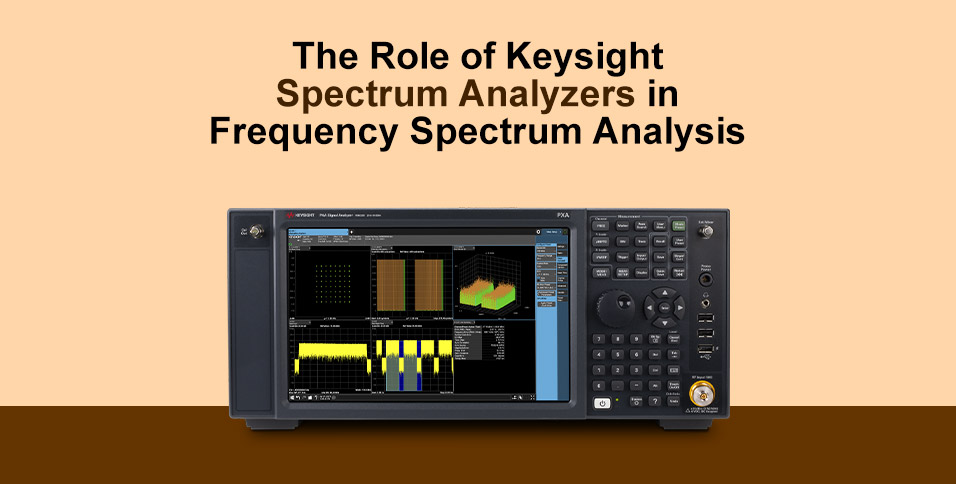
Cue the spectrum analyzer. Specifically? A Keysight Spectrum Analyzer. The unsung hero in a lab full of blinking LEDs and acronyms, quietly mapping out the invisible chaos of the frequency spectrum like a detective with X-ray vision.
Honestly? Without it, you’re flying blind.
Why Do We Even Need Spectrum Analysis?
Let’s level-set. Radio frequencies are invisible. You can’t see them. You can’t touch them. But they’re absolutely everywhere—crowding, overlapping, jostling for space like commuters on a Monday subway.
A spectrum analyzer takes that chaos and makes it legible. It shows you what’s transmitting where, how strong it is, whether it’s leaking where it shouldn’t. You’re looking at power vs. frequency in a snapshot that transforms mystery into measurable data.
Without it, how do you know your product isn’t stomping all over someone else’s signal? Or worse—violating FCC rules? (Spoiler: the FCC doesn’t love surprises.)
Keysight: The Gold Standard (And No, That’s Not Just Marketing Fluff)
You’ve probably heard the name before. Keysight Spectrum Analyzer rolls off the tongue in RF labs the way “Google it” rolls off in casual conversation. And for good reason.
Their analyzers don’t just spit out pretty graphs. They give you accuracy you can bet your compliance budget on. Dynamic range? Industry-leading. Phase noise? Whisper quiet. Bandwidth? Wide enough to catch the weirdest edge-case emissions.
Oh, and the software? It’s not just a cherry on top—it’s half the sundae. Integrated vector signal analysis. 5G NR demodulation. EMC pre-compliance tools baked right in. You’re not just buying an instrument; you’re buying a diagnostic command center.
If you’re running a modern RF lab without Keysight? Bold move. Risky, even.
Not Just for Telcos and Rocket Scientists
Sure, you’ll see Keysight Spectrum Analyzers in the shiny test benches of aerospace and telecom giants. Validating radar? Testing 5G base stations? Tracking down EMI gremlins? Yep, it’s there.
But these analyzers aren’t locked behind government badges or billion-dollar budgets.
Consumer electronics? Absolutely. Compliance testing for FCC Part 15? Practically a rite of passage. Universities? Check. Any place signals fly and specs need proving, a Keysight is likely humming quietly in the background, working overtime so your product doesn’t end up in regulatory purgatory.
And let’s not forget: spectrum analysis isn’t just about finding problems. It’s about proving you don’t have them.
Power Meets (Gasp) Usability
Here’s a dirty little secret in the world of test equipment: some devices are a nightmare to use.
Not Keysight.
Their analyzers strike that elusive balance—deep functionality without drowning users in menus from hell. Auto-tuning? Check. Markers you don’t need a manual for? Also check. Customizable displays? Absolutely.
So whether you’re a grizzled RF veteran or a junior engineer still wondering why impedance matters, you’re not going to spend your afternoon cursing at the interface. (You’re welcome.)
Why Invest? Because Guessing Doesn’t Scale
Let’s be real: spectrum analysis isn’t optional anymore. Every product has an RF footprint, even if it’s just a sneaky clock signal. And as the spectrum gets more crowded? Mistakes get more expensive.
A Keysight Spectrum Analyzer isn’t just another instrument—it’s a hedge against unknowns. Against failed compliance tests. Against last-minute redesigns because “no one caught that spurious emission.”
It’s insurance. It’s visibility. It’s peace of mind—delivered in decibels and hertz.
And in a world wired (and wireless) to the brim, that’s not a luxury. It’s survival.
Also Read: PDF Data Extraction Made Easy: Top Tools & Techniques