Specialized retail wins when you stop competing on size and start competing on certainty. You can grow specialty retail store sales by making shoppers feel confident: the right product, the right price, available right now, with help that doesn’t waste their time. Affordable tools now let you run smarter operations and personalize without needing a huge team.
Your fastest gains come from tightening the basics: in-stock accuracy, clear merchandising, consistent selling behaviors, and a unified online-to-store experience. When you improve in-store conversion and average basket size together, you rely less on constant discounts.
Photo by Ron Lach on Pexels
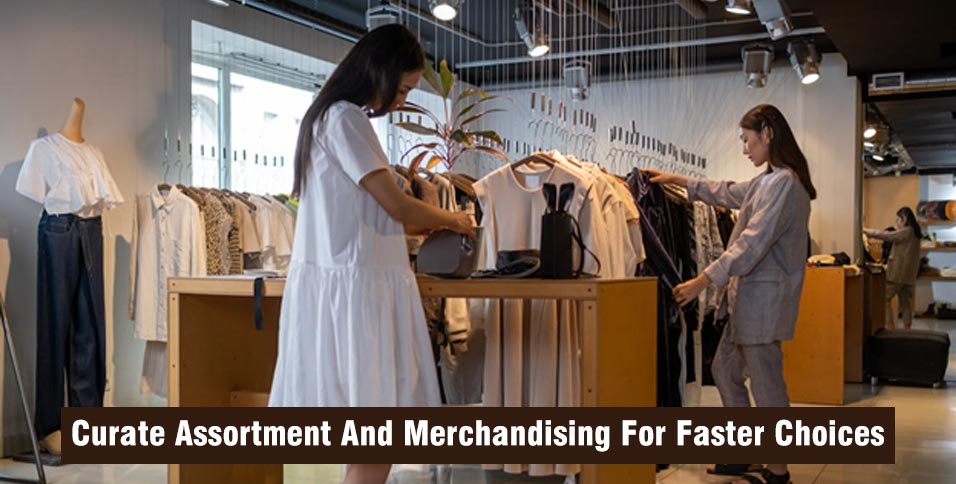
Curate Assortment And Merchandising For Faster Choices
In a competitive market, the easiest way to stand out is to be the simplest place to choose. Too many options create doubt, and doubt delays buying or pushes customers to price-shop online. Your job is to curate hard, explain trade-offs, and make the best option obvious at each budget. When you do that, you also reduce slow inventory and free cash for winners.
Use A Good-Better-Best Ladder In Every Core Category
Customers buy faster when they can see the steps. Build a good-better-best ladder with clear benefits like durability, ease, speed, or results, then show the difference in one sentence per tier. Put the ladder where the decision happens. This structure lifts the upgrade rate and keeps your “best” tier from feeling expensive.
Turn Expertise Into Shelf Tags That Answer One Question
Shelf tags work when they sound like a helpful staff member. Make each tag answer one question: “Will this fit?” “Is it compatible?” “How long does it last?”, or “What problem does it solve?” Add one proof point (warranty, material, rating, test result) and stop there.
Build Signature Bundles That Feel Like Solutions
Create 3–5 signature sets around missions like “Starter Kit,” “Gift-Ready,” “Travel,” “Upgrade,” or “Season Prep.” Price with a modest savings or a bonus item, so the value is believable. Mirror bundles online so shoppers see the same solution everywhere.
Build A Sales System Around Real-Time Store Signals
Sales don’t improve because you “market harder”—they improve because your daily decisions get more accurate and, when you’re asking how to improve liquor store sales, that accuracy shows up in smarter replenishment, better cold-box availability, and fewer out-of-stocks on top movers.
Even small retailers can use POS and inventory tools to spot problems early. Your advantage is speed: you can fix a bottleneck in days. Treat your store like a system where small wins compound.
Track The Three Numbers That Predict Weekly Revenue
For a low-effort specialty store sales strategy, track conversion rate, average basket size, and in-stock rate for your top sellers. Conversion tells you whether the experience and staff are working—the basket shows whether add-ons and bundles are landing—and the in-stock rate reveals “invisible” lost sales.
Create A One-Page Scorecard You Actually Use
A dashboard you never open is just decoration. Build a single page that shows: top 20 SKUs by profit, sell-through by category, returns by reason, and fulfillment demand (pickup, ship-from-store, reservations). Review it the same day each week and choose two actions only—one to lift sales, one to protect margin.
Run Micro-Tests Instead Of Big Resets
Big “store resets” often confuse regulars and hide what truly worked. Run micro-tests you can judge in seven days: change one feature table, add one bundle, rewrite two shelf tags, or add a 20-second demo at checkout. Keep only what moves conversion or basket.
Upgrade The In-Store Experience With Practical AI And Human Skill
Your store has advantages online can’t copy: touch, fit, trial, and real-time advice. Use tech to reduce searching and guessing, then use people for empathy and judgment. When service feels effortless, shoppers stop treating your store like a showroom.
Give Staff A Pocket Guide For Faster Recommendations
Create a simple “pocket guide” that answers: best product for each use case, top objections, and the three add-ons that make sense. You can host it in a shared doc, a staff chat, or a lightweight AI assistant trained on your product notes and compatibility rules.
Offer Appointment Shopping For High-Intent Visits
Appointments work outside luxury, especially in technical or high-consideration categories. Offer 15–30 minute slots with a clear promise: a curated shortlist, setup help, or a personalized routine. Collect zero-party data at booking (goal, budget, size, constraints), so you start at the decision point.
Run Small Events That End With A Buy List
Community events only drive revenue when they connect directly to the product. Run workshops that solve one problem—maintenance night, beginner class, seasonal prep—and show exactly what you used. Charge a small fee redeemable on purchase so attendance stays high-intent.
Make Omnichannel Feel Like One Store
Customers don’t separate your online and in-store brand—they only notice when it’s inconsistent. The most profitable omnichannel for specialty retailers focuses on a few options you can run reliably. Choose pickup, ship-from-store, and local discovery if they match your shoppers’ urgency and your staffing reality.
Win Local Search With Real Inventory And Fast Pickup
Local intent is high intent, so your product pages should show real availability, pickup windows, and clear store info. Use local inventory ads or “in stock near me” listings to capture shoppers who want it today. Add “reserve online, try in store” for fit-sensitive categories to reduce returns.
Turn Ship-From-Store Into A Standard Workflow
Ship-from-store and BOPIS stay profitable when they don’t steal attention from shoppers on the floor. Set a picking standard (time-to-pick, accuracy checks, packaging rules) and create a small staging area. Use barcode scanning and stock alerts so orders don’t rely on memory.
Use Short Video To Answer Buying Questions
Social commerce works best when your content behaves like a product demo, not entertainment. Post short videos that answer “Which one should I buy?” and “What’s the difference?” then link to a specific product, bundle, or appointment booking. Reuse your best clips on product pages so customers see proof at the decision point.
Protect Margin With Smarter Pricing, Loyalty, And Vendor Support
Discounting is the lazy response to competition, and it quietly teaches customers to wait you out. A specialized store wins by making value visible, pricing confidently, and rewarding behaviors that improve profitability. Rising ad costs and privacy limits make first-party and zero-party data more valuable than ever.
Replace Random Discounts With A Clear Value Stack
Build a value stack customers can repeat back: fair everyday pricing, a small set of bundles, and perks tied to behavior. Examples include free fitting for members, points on full-price items, or trade-in credit for upgrades. Keep discounts rare and use perks that cost less than markdowns.
Use Zero-Party Data To Personalize Without Being Creepy
Instead of guessing, ask customers what they want in exchange for better service. Use a quick quiz, appointment form, or checkout prompt like “What are you shopping for today?” and “Any brand preferences?” Then segment messages by intent: replenishment reminders, compatible accessories, or seasonal swaps.
Negotiate Like You Control A Micro-Market
Vendors support stores that move product predictably. Share your top sellers, your upcoming events, and your bundle plan, then ask for training, co-op marketing, better terms, or exclusive bundle components. If a brand won’t support you, shrink its space and reallocate to a partner that will.
Conclusion
Improving specialized retail store sales comes down to disciplined execution, not flashy reinvention. When you track the right signals, curate choices, and make expertise easy to buy, you become the default option for your niche. Add practical AI to raise consistency, and you keep the human touch while reducing friction.
The strongest specialty retailers focus on conversion quality over raw traffic. You protect margin with a clear value stack, you make omnichannel reliable with real inventory, and you turn content and community into repeatable demand. Do those consistently, and your growth becomes resilient instead of seasonal.