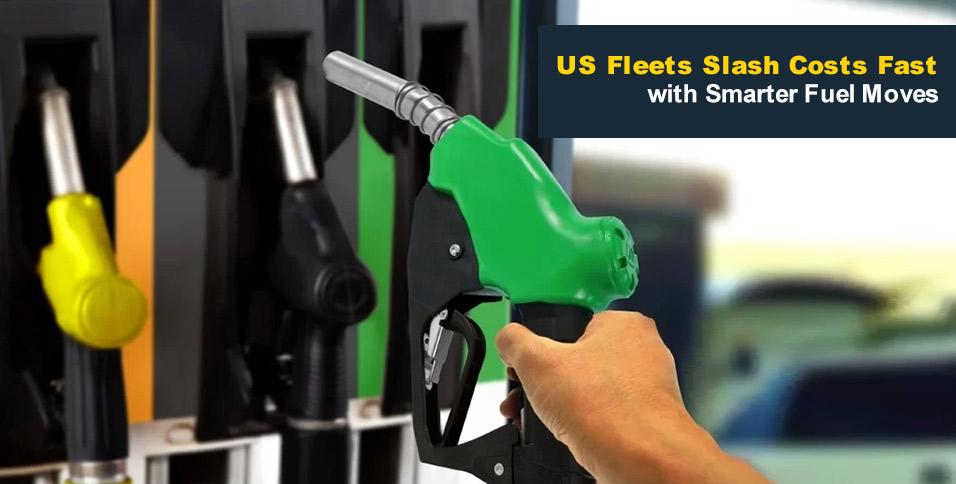
Managing a fleet in the U.S.? Yeah, it’s expensive, fuel especially. It’s like every time you blink, gas prices creep up again. Fleet owners are hustling to stretch every gallon without cutting corners operationally.
So, what’s the play here? Smarter fuel management is gaining ground and delivering results. Let me break it down.
1. First, Know Your Fuel Consumption
Ever tried fixing something without knowing where the problem starts?
Same deal with fuel. You gotta understand each vehicle’s MPG, but don’t stop there. Driving habits, maintenance, even the routes taken, they all mess with efficiency.
Some fleet managers are already mapping fuel usage vehicle by vehicle. Turns out, spotting patterns helps catch what’s draining the tank faster than it should.
2. Real-Time Monitoring
Here’s where things get interesting: telemetry systems. Plug these in, and suddenly, you’re watching your fleet’s fuel use live, along with their every move.
If one of your trucks sits idle too long or starts guzzling fuel for no clear reason, you’ll know right away. That’s your cue to call up the driver, figure out what’s up, and make tweaks. You’re not guessing anymore, you’ve got data driving decisions.
3. Smarter Routes = Less Waste
Imagine this: your driver takes the scenic route daily, stuck in traffic, burning fuel for no good reason. Smart routing tools can fix that. Software now factors in traffic jams, road closures, weather, you name it.
Cutting through backstreets to avoid clogged highways? That’s a fuel win. Fewer stops, less idling, better MPG. Tools like this turn guesswork into strategy.
4. Train Drivers, Save Dollars
The best tech won’t save you if your drivers are out there gunning it at every green light. Driver behavior is a huge variable in fuel costs. Ever heard of smooth acceleration? Or keeping speeds steady?
Some companies are running driver training sessions just for this. Give drivers the data, show them how their habits affect fuel usage, and they’ll adapt. They’ll usually rise to the challenge.
5. Fuel Cards—Small Plastic, Big Impact
Let’s talk fuel cards. These aren’t just about paying for gas, they’re tracking tools. With a solid fuel management program like Fuel Logic, you’re watching every purchase, knowing where and when fuel is bought.
Some cards let you cap spending per driver. Think of it like setting healthy boundaries, no more side purchases or wasteful fill-ups. Suddenly, managing fuel doesn’t feel so messy.
6. Maintenance Isn’t Optional
Skimping on maintenance? That’s a rookie mistake. Low tire pressure kills MPG. Engines, filters, alignment, it all stacks up.
A regular maintenance schedule keeps vehicles running lean and efficient. Over time, this equals less fuel burn, fewer repairs, and happier accountants.
7. Kill the Idling
You might not notice it, but idling eats into your fuel budget like termites in wood. Some companies are laying down strict no-idling policies. Others are installing alerts that ping drivers if they’re stationary too long.
The fix is simple: engine off if you’re not moving. One little habit shift, big impact on the budget.
8. Stop Fuel Theft in Its Tracks
Fuel theft? Yeah, it’s a thing. If your fuel numbers don’t add up, someone might be sneaking a little extra for themselves.
Keep tabs with monitoring tech, and cross-check with fuel cards. Spot something weird? Time for an audit. Catch it early or lose money silently.
9. Watch Those Price Trends
Playing the fuel price game? It’s smart. Some fleet managers keep a pulse on price trends, fueling up when rates dip. Timing matters.
Apps can help track the cheapest stations nearby. Over time, those few cents per gallon? They add up to serious savings.
Smarter Fuel Management Pays Off
Managing fuel smarter isn’t just trendy, it’s necessary. Just like Fuel Logic’s fuel management solutions help fleets monitor, control, and optimize fuel use like never before.
Cut costs, train smarter, maintain better, monitor closely, that’s the blueprint. Bonus? You’re building a culture where everyone’s aware of fuel’s impact on the bottom line. That’s not just savings; that’s sustainability.