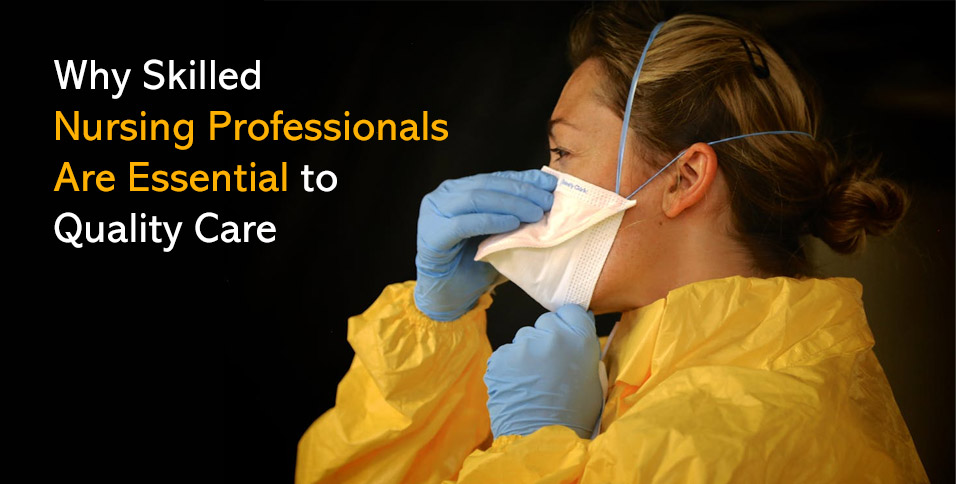
Have you ever wondered what makes a hospital or care facility truly great? While technology and clean environments are important, it’s often the people who make the biggest difference. Skilled nursing professionals are the ones who are there when patients need help the most. They offer both medical care and emotional support. Whether it’s in a hospital, nursing home, or at home, skilled nurses keep everything running smoothly.
These professionals are more than just helpers. They are trained to handle a wide range of health situations, from emergencies to long-term care. Their work supports doctors and helps patients heal faster. In this blog, we will share why skilled nursing professionals are so important to quality care and how their presence can change lives for the better.
Skilled Nurses Offer More Than Basic Support
Skilled nurses don’t just check temperatures or give medication. They monitor patients closely and catch small problems before they turn into big ones. Because they spend so much time with patients, they notice changes that others might miss. This quick action can prevent complications and reduce hospital stays. Nurses also teach patients and families how to manage care after they leave the hospital.
They work with doctors and other health professionals as part of a care team. Nurses help explain test results, carry out treatment plans, and track progress. Without them, patients would not receive the level of attention needed to recover properly. Their presence improves communication, reduces mistakes, and creates a safer environment for everyone.
Education Plays a Key Role in Building Skilled Nurses
Nursing professionals are required to go through years of learning and training. This helps them build the knowledge and confidence needed for the job. Many nurses today are choosing advanced paths to speed up their journey into the field. Programs like accelerated BSN online programs allow students to earn a nursing degree faster while still learning everything they need. These programs are a great option for those who already have a degree in another subject and want to switch to nursing.
Skilled nurses must understand human anatomy, medications, and how to work with different equipment. They must also learn how to speak clearly with patients and stay calm during emergencies. Education helps them do all of this and more. Ongoing training also allows them to keep up with changes in healthcare. When nurses stay up to date, patients get better care.
Emotional Support Is a Big Part of Quality Care
People often think of nurses only in terms of medical tasks, but their emotional support matters just as much. Many patients feel scared or anxious when they are sick or injured. Skilled nurses offer a calm voice and a kind presence during difficult times. This kind of support helps patients feel more relaxed and cared for, which can help with healing.
Nurses also comfort family members. They answer questions and provide honest updates. By doing this, they help build trust and reduce stress for everyone involved. When patients and families feel supported, they are more likely to follow care instructions and stay involved in the recovery process.
Skilled Nurses Improve Patient Safety Every Day
Safety is a big part of quality care, and skilled nurses help protect patients in many ways. They double-check medications, prevent infections, and respond quickly when someone is in trouble. Nurses also keep detailed records, which helps other team members understand a patient’s condition and avoid mistakes.
In hospitals, skilled nurses are often the first to notice changes in a patient’s health. They know what signs to watch for and when to call a doctor. Their fast response can save lives. When patients feel safe, they heal better and trust their care team more. Skilled nurses make that kind of safety possible every day.
Long-Term Care Depends on Skilled Nursing
Some patients need care for months or even years. This might be after a serious illness, surgery, or injury. In these cases, skilled nursing professionals are essential. They help with daily tasks like bathing, eating, and taking medicine. They also keep track of the patient’s health over time, making sure things don’t get worse.
Without skilled nurses, people who need long-term care would face more problems. These nurses build strong relationships with their patients and often become trusted parts of their lives. That connection helps patients stay motivated and improves their quality of life. Whether at home or in a care facility, skilled nursing is a key part of long-term support.
They Help Manage Complex Medical Conditions
Many patients today deal with more than one health problem at the same time. For example, someone might have diabetes and heart disease together. Skilled nurses are trained to manage these complex situations. They know how different conditions and medications interact. They keep an eye on symptoms and make sure treatments are working as they should.
These nurses also coordinate care with different doctors and specialists. This helps avoid confusion and keeps everything organized. When care is not managed well, patients can end up back in the hospital. Skilled nursing professionals help prevent that. They help patients understand their treatment plans and stick to them, which leads to better health outcomes.
Skilled Nurses Support Healthcare Systems
Hospitals, clinics, and care centers rely heavily on nurses to stay open and run smoothly. Skilled nurses handle a large part of daily operations, from caring for patients to keeping records and following safety rules. Their efforts help reduce wait times, lower costs, and improve overall results. When nursing staff is strong, the whole system works better.
They also support doctors by preparing patients for exams, collecting test samples, and offering insight from their close contact with patients. In rural areas or places with fewer doctors, nurses often take the lead in providing care. This helps communities stay healthy even when resources are limited. Skilled nursing professionals are a backbone of every good healthcare system.
In conclusion, skilled nursing professionals do much more than most people realize. They are trained to meet both the medical and emotional needs of their patients. They support doctors, help families, and play a big role in keeping care systems strong. Their education and experience make a real difference in people’s lives every single day.