The business world has always had an age problem, but not in the way you might think. While younger entrepreneurs often grab headlines, there’s a quieter revolution happening in corner offices and boardrooms across America.
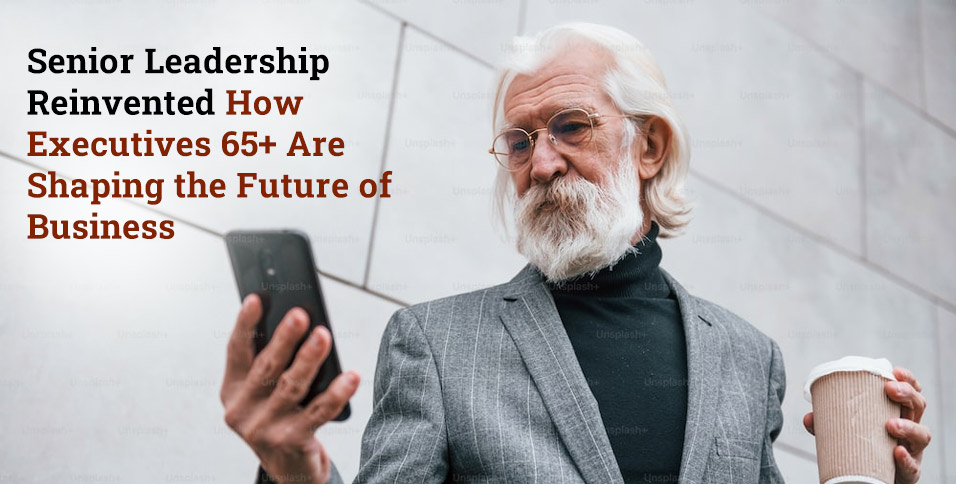
Executives over 65 are staying in the game longer than ever before, and they’re not just holding on to old ways of doing things. They’re actively reshaping how modern business works. These seasoned leaders are navigating everything from digital transformation to remote work policies, while also managing personal milestones such as enrolling in Medicare in 2026. In these more recent times, executives 65+ are proving that experience and adaptability aren’t mutually exclusive.
What Makes Senior Leadership Different Now
The stereotype of the older executive stuck in their ways doesn’t match reality for many leaders today. The executives who are thriving in their late 60s, 70s, and beyond share some common traits that set them apart from previous generations.
First, they’ve lived through multiple economic cycles. Someone who’s been in business since the 1970s or 1980s has weathered oil crises, the 2008 financial collapse, and a global pandemic. That’s not just trivia. It’s pattern recognition that money can’t buy. When markets get shaky or industries face disruption, this experience becomes incredibly valuable.
Second, many of today’s senior executives have actively worked to stay current. They don’t just delegate technology decisions to younger staff. They take the time to learn about artificial intelligence and figure out how to lead distributed teams.
Challenges That Come with the Territory
When it comes to obstacles, though, let’s be honest. Staying at the top of your game past 65 takes effort, and not everyone manages it successfully.
Health becomes a real factor. The job stress that was manageable at 45 can feel different at 70. Some executives deal with this by being more selective about which battles matter. Others adjust their schedules, delegate more, or reshape their roles to match their energy levels.
There’s also the succession planning puzzle. Companies need to develop their next generation of leaders, but that’s harder when current leaders aren’t leaving. The executives handling this well are the ones who make developing their successors part of their legacy, not a threat to their position.
And yes, some older executives do struggle with change. The difference is that dealing with change isn’t unique to any age group. Younger leaders can be just as stubborn about their preferred methods. What matters is self-awareness and willingness to adapt.
The Mentorship Factor
Another thing that doesn’t get talked about enough: the mentorship gap that happens when senior leaders leave too early.
Younger executives bring energy, fresh perspectives, and digital fluency. Senior executives bring judgment, relationships, and the confidence that comes from having made and survived major mistakes and events. The magic happens when these groups work together.
Some of the most successful companies have figured this out. They’re creating structures that allow senior executives to shift roles without disappearing entirely. The goal is to keep that knowledge accessible without creating bottlenecks.
The Remote Work Revolution
COVID-19 threw everyone a curveball, but it hit senior executives in an interesting way. Suddenly, the playing field leveled out. Everyone was learning Zoom at the same time. Everyone was figuring out how to build culture remotely.
Some senior leaders thrived in this environment. Without the physical stamina demands of constant travel and back-to-back in-person meetings, they could focus on strategic thinking and relationship building. Experience and communication skills can still shine through on a screen.
What This Means for Business Culture
The old model of working until 65 and then retiring completely is becoming just one option among many. This shift has created ripple effects. It’s making companies think differently about age discrimination. It raises questions about mandatory retirement ages.
There’s something to be said for the long-term thinking that senior executives can bring. When you’re 70 and have already seen 20-year cycles play out multiple times, that perspective becomes more concrete and valuable.
Looking Ahead
As people live longer and healthier lives and knowledge work becomes less physically demanding, we’ll likely see more leaders choose to extend their careers.
The companies that will benefit most are those that figure out how to blend the wisdom of experience with the energy of youth. That means creating flexible role structures and building cultures where challenge and respect coexist.