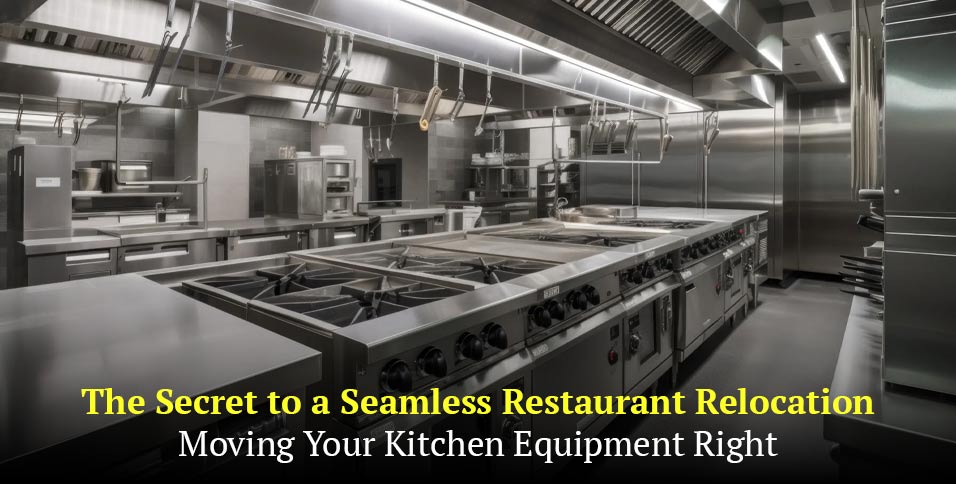
Moving a restaurant is a big undertaking, and the kitchen is often the most challenging part. Heavy, bulky equipment combined with tight timelines means you need a restaurant equipment moving company that truly understands restaurant gear to make the difference between a smooth move and a chaotic one.
This guide will walk you through how to prep, pack, and move your kitchen equipment the right way — so you can settle into your new spot quickly and keep your focus where it belongs: on your food and your guests.
Create a Detailed Inventory of Your Restaurant Equipment
Before you start unplugging or shifting tables, take a moment to list everything you’ll be moving.
- Write down every piece of equipment heading to the new location.
- Note the make, model, and serial number for each item — it might save you headaches later.
- Check the condition of each piece. It doesn’t have to be perfect, but knowing what you’ve got helps.
- Take photos before packing — these come in handy for insurance or to remember how things fit together.
- Group your gear by station — prep, cooking, refrigeration, and so on. It makes setting up in your new kitchen much simpler.
Getting organized now saves a lot of time when it’s time to get everything back in place and cooking again.
Coordinate with Vendors and Technicians for Safe Equipment Handling
Once your inventory is ready, reach out to the vendors or technicians who handle your equipment. Gas ranges, walk-in coolers, and any appliances with complex wiring should be handled by pros. Book them early to make sure there’s enough time to safely shut down, clean, and prep everything.
Prepare and Pack Your Restaurant Equipment Properly
Prepping kitchen equipment isn’t the most exciting step, but it’s one of the best ways to keep the move running smoothly.
Deep Clean Equipment Before Packing
Before packing, clean all your equipment thoroughly. Wipe down surfaces, empty drawers, and clear out grease or crumbs. For appliances that use water — like dishwashers, steamers, or ice machines — drain them fully to avoid moisture problems during the move.
Disassemble and Protect Loose Parts
Movers will handle the heavy lifting, but you can help by taking apart loose or fragile parts like trays, shelves, and knobs. Wrap them gently in bubble wrap or packing paper and keep them with the main equipment. Doing this now saves time and hassle when setting up again.
Label Equipment for Easy Setup
Work with your moving team to clearly label each piece by its station — prep, cooking, refrigeration, and so on. Use tags, stickers, or color coding to keep things organized. This makes placing equipment in the new kitchen much quicker and easier.
The more effort you put into prep, the smoother your move will be — and the faster your team can get back to doing what they do best.
Get Your New Kitchen Space Ready Before Moving Day
Before packing up your equipment, make sure your new kitchen is ready. Sorting out layout, utilities, and entry points ahead of time helps everything go smoothly and prevents last-minute surprises.
Measure Doorways and Hallways for Equipment Fit
Double-check that your equipment will fit through all doorways, hallways, and tight spots. Measure your large appliances and compare with the new space’s dimensions so you’re not caught off guard.
Inspect Utilities
Verify that electrical outlets match your equipment’s power needs. Check gas lines and water hookups to ensure everything’s ready.
Plan Your Kitchen Layout
Using your inventory, sketch where each station will go — prep, cooking, refrigeration, and more. Think about how your team moves during busy times, and make sure the layout follows health and safety rules.
Tackling these steps early speeds up setup and helps your team settle into the new kitchen faster.
Keep Your Staff Informed and Ready for the Move
Keeping your team in the loop makes the whole process feel smoother and more organized. Share key details well before moving day — timelines, who’s responsible for what, and what to expect during reopening.
If you can, arrange a walkthrough of the new kitchen. It’s a great chance for your staff to get familiar with the space, test the flow, and notice any changes to equipment or layout.
Make sure to leave time for unpacking, restocking, and safety checks before reopening. When your team feels confident in their new space, it’s easier for everyone to jump right back in and deliver the great experience your guests expect.
Why Hiring Professional Restaurant Equipment Movers Matters
Once your plan is set, it’s time to bring it all together — and that’s where the experts shine. Moving restaurant equipment isn’t just about shifting things around. It needs the right tools, a solid plan, and a deep understanding of kitchens. Having professionals handle it can make all the difference.
How Professional Movers Handle Your Restaurant Equipment
- Safe Lifting and Moving: Pros use proper techniques to handle heavy ovens, prep tables, and refrigerators without injury or damage.
- Right Tools for the Job: They come equipped with dollies, hand trucks, lifting straps, and sliders to move gear smoothly through tight spaces.
- Disassembly and Reassembly: Movers take care of breaking down and setting up large appliances, saving you time and hassle.
- Navigating Tight Spaces: Experts know how to get equipment through narrow doorways, corners, and tricky spots safely.
- Efficient Setup: They place gear exactly where it belongs, speeding up your kitchen’s readiness and minimizing downtime.
- Timely, Well-Coordinated Move: Pros keep everything on schedule to avoid surprises or delays.
White Glove Moving & Storage is a great example of a company that understands how tricky restaurant equipment moves can be. With over 30 years of experience, they offer full-service moving tailored for restaurants — from packing to transport, storage if needed, and setting up your new kitchen. Having a team like this means less stress and a smooth move with no surprises.
Ensure Health, Safety, and Regulatory Compliance Before Reopening
Before opening your doors again, it’s vital that your new kitchen meets all local codes. Every city or county has rules around ventilation, sanitation, fire safety, and food storage. Moving often means new inspections or permits.
Reach out early to your health department and fire marshal to get things in order. Having the right paperwork and knowing your kitchen complies with regulations gives you peace of mind and helps your reopening go smoothly.
Start Fresh with a Successful Reopening in Your New Space
Moving a restaurant takes hard work — coordinating equipment, adjusting to a new layout, and preparing your team. But with a solid plan and clear communication, everything comes together.
Once your kitchen is set up, you’ll feel a real relief. Your team will know the space, your tools will be exactly where they belong, and you can focus on what you do best — creating amazing meals in a kitchen built to support you.
Restaurant Relocation FAQs: What Every Owner Needs to Know
1. When should I start planning my restaurant move?
Aim to start 2 to 3 months ahead. That gives you enough time to book vendors, schedule inspections, and keep your team informed.
2. Can I move during service hours, or should I plan to close?
Moving in stages is possible, but many find it easier to schedule the move during off-hours or pause service briefly. This way, you can focus fully on the move without juggling guests.
3. What should I do with perishable food during the move?
Try to use up or give away perishable items before moving day. Planning ahead helps keep food safe and cuts down on waste.
4. Do I need to update my permits or licenses when I move?
Yes. Most moves require updating business licenses, health permits, and sometimes liquor licenses. Contact local agencies early to avoid surprises.
5. What’s the best way to let customers know we’re relocating?
Keep your customers informed through your website, social media, emails, and signs at your current location. Share your timeline and reopening plans to build excitement and trust.
6. Should I adjust the menu or kitchen workflow in the new space?
Definitely. Your new kitchen might need a different prep flow or a simpler menu that suits the space and your team’s needs better.
7. What should I do with the equipment we no longer use?
A move is a good time to take stock. Consider donating, recycling, or selling old or unused equipment to lighten your load and simplify setup.
Also Read: More Guests, Less Downtime: How Restaurants Can Use Digital Tools to Increase Bookings