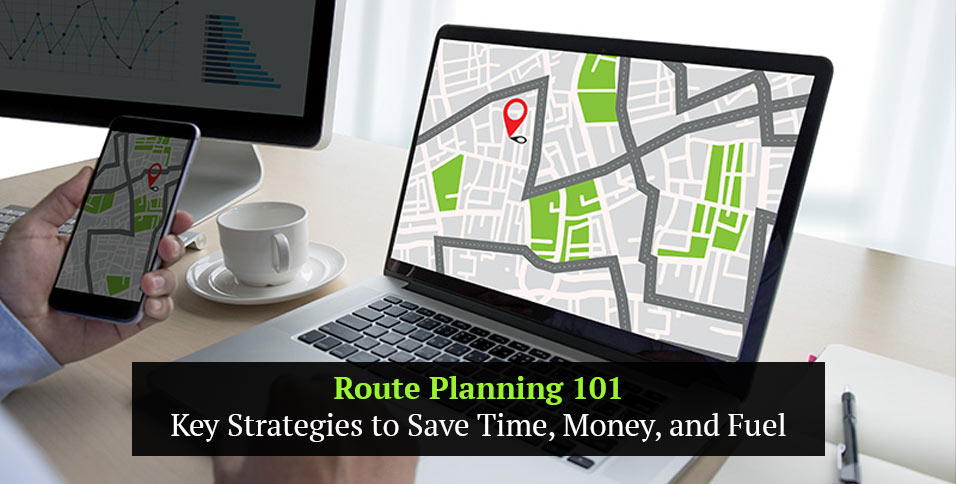
Every logistics operation, at its core, revolves around movement, and movement costs money. Fuel, driver time, vehicle wear, and the pressure of customer promises all add up quickly. According to the American Transportation Research Institute (ATRI), trucking costs in the US reached $2.270 per mile. Even a few wasted miles a day can mean the difference between profit and loss for large fleets.
The pressure is real, and it keeps growing. These days, it’s not just about delivering goods; it’s about delivering them smarter, faster, and with fewer resources. There are plenty of ways to throw more vehicles or people at a problem, but that never lasts. Real efficiency comes from understanding how route planning works, how technology fits in, and how each decision impacts the entire operation.
The Real Role of Route Planning
Route planning isn’t just something that happens on a map. For dispatchers and supply chain leads, it’s about piecing together time, geography, and resources in a way that makes sense for everyone involved. It means balancing what the customer wants with what the company can deliver, without stretching drivers or the budget too thin.
Some days, planning feels like spinning plates. Other days, it’s more like chess. Succeeding at either depends on having the right strategy and tools in place. That’s where proper route planning makes its mark.
Why Modern Operations Abandon Manual Methods
Let’s face it: the old way of planning notes, spreadsheets, and best guesses doesn’t hold up when there are dozens of orders, multiple vehicles, and constant surprises. A dispatcher’s memory might be sharp, but nobody can calculate all possible routes, live traffic, driver shift rules, and delivery windows by hand.
That’s why route planning software has found its place in the industry. These systems do the heavy lifting. They don’t just cut planning time; they reduce costly mistakes, balance workloads, and keep everything moving when things change unexpectedly.
Breaking Down the Essentials
Route planning is more than plotting dots. It’s a mix of data, practical experience, and a willingness to adapt. Here are some things every operator learns to value:
1. Batching and Clustering
Grouping orders that are close to each other saves everyone time. For example, covering several stops in one neighborhood before heading to the next not only cuts mileage but also helps drivers keep a rhythm. The effect multiplies over hundreds of deliveries, fuel savings stack up, and customers get their orders sooner.
2. Staying Flexible with Live Data
Road closures, bad weather, or a last-minute urgent delivery, anything can throw off a plan. The smartest systems pull in live updates. Drivers and dispatchers both benefit from instant adjustments. Less waiting, less backtracking, and fewer missed commitments.
3. Meeting Tight Time Windows
Customers want to know exactly when their order will arrive, not just that it’s “on the way.” Modern route planning puts time windows at the center of the strategy. A missed slot can cost more than just goodwill; it can lead to penalty charges or even lost clients. Smart systems balance these demands while keeping the rest of the day running smoothly.
4. Making Every Vehicle Count
It’s not enough to simply fill up a truck and send it out. Vehicles have limits on weight, space, and sometimes refrigeration. Good planning matches the load to the right vehicle, making sure every trip is worthwhile. This reduces empty miles and keeps the fleet healthy for longer.
5. Handling Surprises
No two days are the same. A breakdown, new orders, or cancellations require fast changes. Systems with real-time re-routing help dispatchers respond instantly, making sure no vehicle or driver sits idle unless absolutely necessary.
6. Respecting Driver Experience
Every dispatcher knows: some drivers are better with city traffic, others thrive on long highway runs. Good planning tools don’t just see vehicles; they see people, preferences, and patterns. Assigning the right routes can make all the difference, both for morale and efficiency.
What Route Optimization Software Really Delivers
The best platforms today do more than just offer directions. They connect dispatch, drivers, and customers in one digital loop. Planning, monitoring, and adjusting happen in real time, and the results are easy to track:
- Less time spent on manual scheduling
- Fewer wasted miles and better use of every vehicle
- Lower fuel bills month after month
- Less overtime and more predictable shifts
- A smoother customer experience, fewer late arrivals, and more accurate ETAs
Over time, the savings aren’t just theoretical. They show up in monthly reports, maintenance records, and retention numbers.
Measuring the Impact: What Really Changes
The biggest difference after moving to intelligent route planning? Visibility. Suddenly, teams know not just where every truck is, but why delays happen, how routes can improve, and where to focus for better results.
- Time: Planning that once ate up hours now takes minutes.
- Money: Fewer miles, fewer breakdowns, and less driver overtime.
- Fuel: Avoiding traffic and wasted detours adds up to significant savings.
- Maintenance: Fewer harsh starts and stops mean vehicles last longer.
- Service: Happy customers come back and tell others.
Getting the Most from Analytics
What’s measured gets managed. The data from route planning software isn’t just for audits; it’s for finding better ways to work. Reviewing planned versus actual routes uncovers patterns. Maybe a certain area always causes delays. Maybe some drivers consistently finish faster. Each insight is an opportunity to refine, retrain, or reassign.
This isn’t a one-off process. Operators who review their results regularly are the ones who keep improving, year after year.
Facing Challenges Head On
No upgrade comes without its share of resistance. Drivers may worry about new tech, dispatchers about losing control, or managers about integration headaches. Success comes from clear communication, thorough training, and making sure every system fits smoothly with existing tools, whether it’s TMS, WMS, or CRM.
When teams see the why and the how, buy-in follows, change becomes progress, not just another hurdle.
Planning for a Sustainable Future
Today, sustainability is more than a trend; it’s a core concern. Cutting excess miles isn’t just good for budgets; it’s good for the planet. Route planning directly lowers fuel use, helps fleets stay compliant with regulations, and signals responsibility to clients.
Green routing options, idle time tracking, and smarter vehicle assignments all add up, giving companies an edge both financially and environmentally.
Choosing the Right Solution
Not every platform fits every operation. Look for route planning tools that can scale, offer real-time data, and deliver clear analytics. Batch management, live updates, and intuitive dashboards help keep things moving without extra effort.
The strongest solutions don’t just solve today’s problems; they make room for growth and fast pivots tomorrow.
Final Thoughts: Turning Planning Into Opportunity
Logistics never stands still, and neither do the companies that lead the pack. Route planning is the quiet force behind those success stories. Every time a vehicle leaves the lot with a clear, smart route, the business is saving money, gaining loyalty, and setting itself up for future wins.
In the rush to modernize, some businesses waste money on half-measures. The ones that get it right use route planning not as a checklist, but as an ongoing discipline. The right tools and the right mindset make all the difference.
There are platforms out there, quietly helping the biggest names run smarter every day. Teams that are ready to embrace a new standard in planning, visibility, and efficiency will find themselves far ahead, no matter how the industry evolves.
Ready to make every mile count? See what technology partners like FarEye can do to help you streamline operations, cut waste, and deliver with confidence, no matter how complex your routes get.