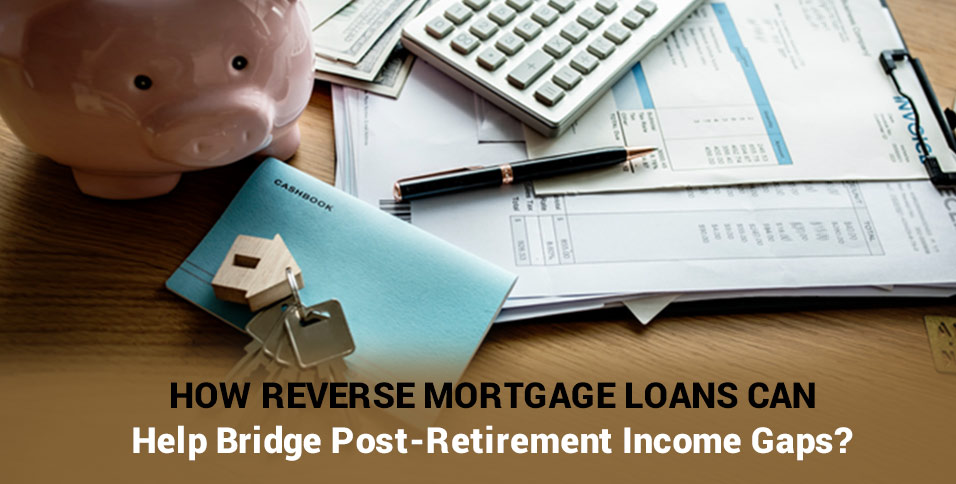
Retirement is a phase that many look forward to—freedom from daily work routines, time to pursue passions, and more moments with family. However, for many retirees, especially in India, retirement can also bring financial uncertainty. With increasing life expectancy and inflation, the retirement corpus often falls short, creating a significant income gap. While traditional pension plans and savings offer some support, they may not always be sufficient to cover ongoing expenses, medical costs, and lifestyle needs.
This is where a reverse mortgage loan emerges as a practical solution. Designed to cater to senior citizens, a reverse mortgage loan allows homeowners to unlock the value of their residential property without selling it. It provides a steady income stream by converting home equity into cash, helping bridge the financial gap in post-retirement years. Let’s explore how reverse mortgage loans work and why they are gaining traction among retired homeowners in India.
What Is a Reverse Mortgage Loan?
A reverse mortgage loan is a financial product tailored for senior citizens, enabling them to convert part of the equity in their self-occupied residential property into regular income without having to sell or vacate their home. Unlike a conventional mortgage where borrowers make monthly repayments to a lender, in a reverse mortgage, the lender pays the borrower—either as a lump sum, regular monthly payouts, or a combination of both. This loan is typically available to individuals aged 60 years and above.
The amount disbursed depends on factors such as the borrower’s age, the property’s value, and current interest rates. The ownership of the home remains with the borrower, and the loan is repayable only when the borrower passes away or permanently moves out of the home. At that point, the heirs can choose to repay the loan and retain the property or let the lender sell it to recover dues.
Importantly, the reverse mortgage loan is a non-recourse loan, meaning the repayment amount will never exceed the value of the property. This protects the borrower and their heirs from any additional financial liability.
Key Features of Reverse Mortgage Loans
Here are some notable features of reverse mortgage loans:
- Eligibility: Senior citizens aged 60 years and above (or 55 in case of a joint application with a spouse).
- Property Type: Must be a self-occupied, fully-owned residential property in good condition.
- Loan Amount: Typically 60-80% of the property’s value, depending on the lender.
- Disbursement Options: Monthly payouts, lump sum, or a combination.
- Tenure: Usually 15–20 years or until the borrower’s demise or permanent move.
- No Monthly Repayments: The borrower is not required to repay during their lifetime.
- Ownership Retained: The borrower continues to live in and own the house.
These features make a reverse mortgage loan a highly flexible and convenient way to supplement retirement income while staying in one’s own home.
How Reverse Mortgage Loans Bridge Retirement Income Gaps?
The primary objective of a reverse mortgage loan is to provide financial security during retirement by unlocking the value stored in an illiquid asset—your home. Here’s how it helps bridge income gaps:
1. Regular Income Source
With no employment income and limited pension, retirees often struggle with monthly expenses. A reverse mortgage offers a consistent income flow, making it easier to manage daily needs, pay utility bills, and maintain a comfortable lifestyle.
2. Funds for Medical Emergencies
Medical costs increase with age. With a reverse mortgage loan, retirees can access emergency funds without relying on children or liquidating other investments.
3. No Need to Sell the Home
Many senior citizens are emotionally attached to their homes and prefer aging in place. This loan allows them to monetize their property without selling it, thereby maintaining their living standards and peace of mind.
4. Inflation Protection
As inflation eats into fixed savings, the regular payouts from a reverse mortgage act as a hedge, helping seniors maintain purchasing power over time.
5. No Repayment Burden
Unlike other loans, there’s no monthly repayment. The burden of repayment is deferred until the borrower’s demise, ensuring a stress-free retirement.
For retirees lacking sufficient pension or support, this tool acts as a financial cushion, enabling them to lead a dignified and independent life.
Who Should Consider a Reverse Mortgage Loan?
A reverse mortgage loan isn’t for everyone, but it can be immensely helpful for:
- Senior citizens with limited savings but significant home equity.
- Individuals without children or dependents.
- Homeowners who want to supplement their pension.
- Elderly people in need of funds for healthcare or home improvements.
- Retirees looking to maintain a comfortable lifestyle without selling their property.
If you’re asset-rich but cash-poor, and your house is your major investment, a reverse mortgage loan might be the most viable solution. It can help you avoid financial dependence on children or relatives while retaining the right to live in your home.
What is a Mortgage Loan Originator?
A mortgage loan originator (MLO) is a licensed professional or lending institution responsible for helping borrowers apply for, negotiate, and secure a mortgage loan. They guide applicants through the home loan process, assess financial eligibility, collect necessary documentation, and ensure compliance with lending regulations. Acting as the primary point of contact between the borrower and the lender, a mortgage loan originator explains loan options, interest rates, repayment terms, and associated costs, making the borrowing process smoother and more transparent.
Things to Keep in Mind Before Opting
While a reverse mortgage loan offers several advantages, here are some aspects to consider:
1. Impact on Inheritance
The loan amount and accrued interest are recovered from the sale of the house after the borrower’s demise. Hence, heirs may not receive the full property value unless they repay the loan.
2. Property Valuation
Only well-maintained, fully-owned properties are eligible. The property’s location and condition can significantly affect the sanctioned amount.
3. Loan Tenure
If the borrower outlives the tenure, monthly payouts may stop. However, they can still continue living in the property.
4. Limited Market Awareness
Despite being available in India since 2007, awareness and adoption remain low. Limited product options and conservative loan amounts from banks have also been barriers.
5. Revaluation and Interest Rates
Lenders may periodically revalue the property and adjust disbursals. Also, the applicable interest rates are often higher than standard home loans.
Proper counselling and financial planning are essential before choosing this option. It’s advisable to consult a financial advisor or your lender to understand all implications in detail.
Conclusion
Retirement should be a time of peace and comfort —not financial stress. With limited pension incomes and rising living costs, many senior citizens in India find themselves facing cash flow problems. A reverse mortgage loan presents an innovative, dignified solution by transforming home equity into a regular income stream, without giving up home ownership.
Though not yet widely used, this financial product holds immense potential in improving the quality of life for retirees. By bridging the post-retirement income gap, it empowers senior citizens to meet daily expenses, handle medical emergencies, and live independently. However, before opting for a reverse mortgage loan, it’s crucial to understand its implications on inheritance, property rights, and long-term planning. For homeowners seeking financial freedom while aging gracefully in their own home, a reverse mortgage loan could be the key to a more secure and fulfilling retirement.
Also Read: How Ground-Up Construction Loans Are Reshaping the Real Estate Landscape