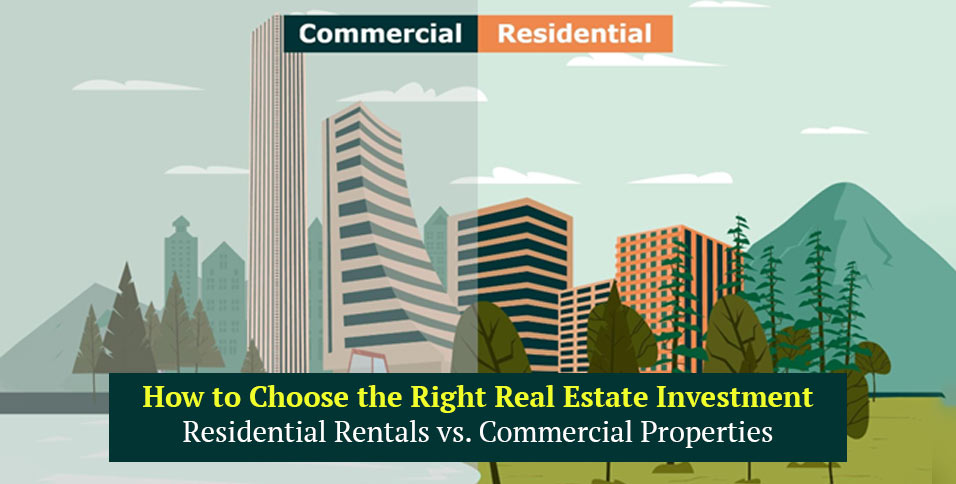
Real estate remains one of the most reliable ways to build wealth in the United States. With evolving urban development and changing work-from-home trends, investors face a critical question: should they invest in residential rentals or commercial properties?
Each option offers distinct benefits, risks, and opportunities depending on your goals, budget, and experience. Understanding the differences, along with local market dynamics, can make the difference between a thriving portfolio and a missed opportunity.
Residential Rentals: Stability and Steady Cash Flow
Residential rentals, including apartments, condos, and single-family homes, are often the go-to choice for new and intermediate investors. They provide consistent income, relatively low barriers to entry, and high demand in urban and suburban areas.
Philadelphia offers a prime example. The city has a vibrant rental market fueled by college students, young professionals, and growing families. Neighborhoods such as Center City, University City, and Fishtown have experienced steady population growth and rising rental demand. This environment makes Philadelphia an attractive city for investors seeking stable returns from apartment rentals, especially in modern luxury apartments in Philadelphia that provide premium amenities and cater to lifestyle-driven tenants
Across the U.S., residential rentals remain a strong sector. According to the U.S. Census Bureau, over 36% of Americans rent their homes, and apartment occupancy rates averaged 95% in 2023, highlighting nationwide demand and income stability for investors.
Investing in residential rentals is appealing for those looking for predictability and manageable entry costs.
Why Residential Rentals Work
Residential rentals offer several advantages that make them ideal for many investors:
- Predictable Income: Monthly rent payments provide steady cash flow, with Philadelphia apartments yielding 5–7% annually on average.
- Lower Initial Investment: Buying residential units typically requires less capital than commercial properties, making them accessible for first-time investors.
- Easier Financing: Lenders are often more flexible with residential mortgages.
- Tax Benefits: Investors can take advantage of deductions like mortgage interest, property taxes, and depreciation.
What are the Challenges of Residential Rentals
While residential rentals are generally stable, they come with certain challenges that investors should anticipate:
- Hands-On Management: Landlords handle tenant turnover, maintenance, and legal compliance.
- Moderate Returns: While stable, residential properties usually offer lower long-term gains compared to commercial real estate investment.
- Tenant Risk: Vacancies or late rent payments can temporarily reduce cash flow.
- Market Sensitivity: Property values and rental demand can fluctuate due to local economic or regulatory changes.
Pro Tip: Investors can optimize their strategy in Philadelphia by analyzing local rental trends, identifying high-demand neighborhoods, and screening tenants carefully. Using local market data effectively maximizes occupancy rates while minimizing risk.
Commercial Properties: High Potential, Strategic Investment
While residential rentals provide stability, commercial properties offer higher potential returns for investors willing to navigate a more complex market. Commercial real estate (CRE) includes office buildings, retail centers, warehouses, and mixed-use developments.
Oklahoma City is an emerging hub for commercial opportunities. Its affordable cost of living, business-friendly environment, and growing industries, particularly healthcare, energy, and logistics, create strong demand for office, retail, and industrial spaces. Engaging with professional Oklahoma City commercial real estate experts can streamline operations and ensure maximum returns. Long-term leases from commercial tenants also provide more predictable cash flow compared to residential rentals.
Commercial real estate nationwide has demonstrated strong returns. According to CBRE, U.S. CRE has returned an average of 9% annually over the past decade, making it a compelling option for investors seeking higher long-term growth.
Investing in commercial properties requires careful planning and research.
What are the Advantages of Commercial Investments
Commercial properties offer several benefits for investors looking for higher returns and long-term stability:
- Long-Term Leases: Tenants often sign agreements for 3–10 years, providing reliable cash flow.
- Higher Returns: Annualized returns for CRE in Oklahoma City range from 8–12%, often outperforming residential yields.
- Professional Tenants: Businesses tend to maintain their spaces well, reducing management challenges.
- Tax Advantages: Depreciation, 1031 exchanges, and other CRE-specific incentives can reduce taxable income.
What are the Challenges of Commercial Investments
Despite the benefits, commercial real estate comes with its own set of challenges:
- Higher Capital Requirements: Buying commercial properties requires significant upfront investment.
- Market Sensitivity: CRE is more vulnerable to economic shifts, business closures, and market fluctuations.
- Complex Management: Lease agreements, zoning compliance, and building maintenance often require professional management teams.
Pro Tip: Investors can improve success by researching local commercial property trends, analyzing occupancy and lease data, and understanding the economic drivers of the city. Strategic planning and market knowledge help identify high-potential properties.
Residential Properties vs. Commercial Properties Investments
To better understand the differences, it is helpful to compare key features of residential rentals and commercial properties. This snapshot highlights the main considerations for investors:
| Feature | Residential Rentals | Commercial Properties |
| Entry Cost | Lower | Higher |
| Returns | 5–7% average | 8–12% average |
| Risk Level | Moderate | Higher, market-sensitive |
| Management | Tenant-focused, more hands-on | Professional tenants, can outsource management |
| Lease Terms | Short-term, usually 1 year | Long-term, 3–10 years |
| Financing | Easier to obtain | More complex |
Understanding these differences is essential before making a commitment, as it can influence both your risk exposure and potential returns.
Factors to Consider Before Investing
Before choosing between residential rentals and commercial properties, it is important to evaluate several key factors. Taking a moment to review your goals, resources, and risk tolerance can help ensure your investment aligns with your overall strategy. Consider the following aspects carefully:
- Investment Goals: Are you seeking steady side income or aggressive wealth growth? Residential rentals suit conservative investors, while commercial properties appeal to those seeking higher returns.
- Risk Tolerance: Residential investments are generally more predictable, whereas commercial real estate can be more sensitive to local business conditions and economic cycles.
- Local Market Knowledge: Understanding demand, vacancy rates, and neighborhood growth is essential. Philadelphia is strong for apartment rentals, particularly luxury apartment buildings in Philadelphia, while Oklahoma City is emerging as a commercial real estate hub.
- Time & Resources: Residential rentals may require day-to-day involvement. Commercial investments often benefit from professional management but still need strategic oversight.
- Financing & Capital: Assess how much capital you have and whether you qualify for commercial or residential loans. Commercial real estate typically involves higher upfront costs and stricter lending criteria.
Reviewing these factors carefully helps investors make decisions that align with both their financial goals and available resources.
Making Informed Real Estate Investment Decisions
Choosing between residential rentals and commercial properties is not a one-size-fits-all decision. The best investment aligns with your financial goals, risk tolerance, and knowledge of the local market. Cities like Philadelphia offer strong opportunities for apartment rentals, including luxury apartment buildings for rental, providing steady income and reliable demand. Meanwhile, Oklahoma City presents promising commercial prospects, and experts in commercial real estate can help ensure higher returns and long-term tenant stability.
By analyzing local trends, studying occupancy and lease patterns, and understanding market drivers, investors can make data-driven decisions and strategically build a profitable real estate portfolio. Whether your focus is apartments or office buildings, informed choices and a clear understanding of the market help maximize returns while minimizing risk in the competitive U.S. real estate landscape.