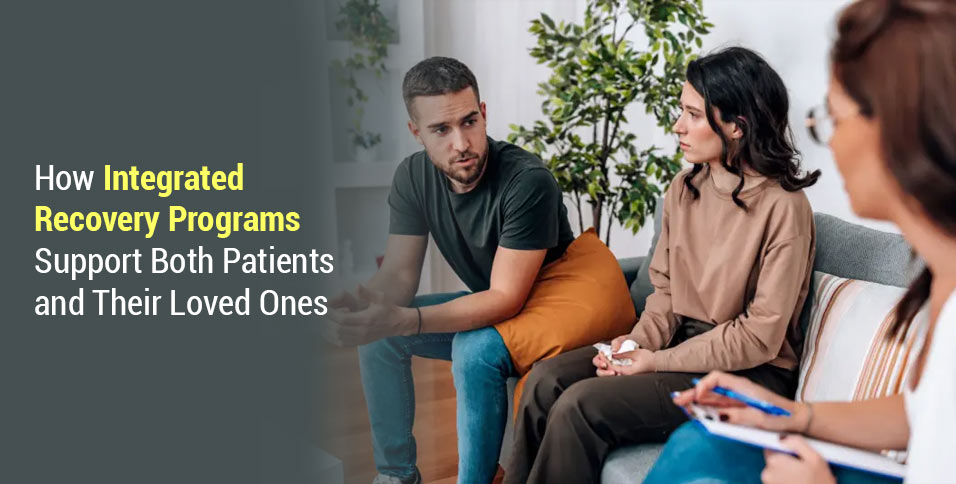
“Recovery isn’t just about getting clean – it’s about rebuilding the entire family structure that addiction has torn apart.” These words from Dr. Priya Sharma, a leading addiction psychiatrist in Mumbai, capture the essence of modern addiction treatment. When Ravi, a 34-year-old software engineer from Bandra, first walked into an alcohol rehabilitation centre in Pune three years ago, his wife Meera was skeptical. She’d watched her husband promise to quit drinking countless times before. What she didn’t expect was how profoundly the integrated recovery program would transform not just Ravi, but their entire family dynamic.
The Ripple Effect of Addiction
Addiction doesn’t exist in isolation – it spreads through families like ripples in water. Recent studies from the Indian Journal of Psychiatry reveal that for every person struggling with substance abuse, at least four family members are directly affected. In Mumbai’s bustling neighborhoods, from Dharavi to Juhu, families silently battle the shame, financial strain, and emotional trauma that accompanies a loved one’s addiction.
“I stopped inviting friends over,” recalls Meera, her voice cracking slightly. “I never knew which version of Ravi would come home – the loving husband or the angry stranger.” Her experience mirrors thousands of families across Maharashtra who live in constant uncertainty, walking on eggshells around their addicted family member.
The traditional approach to addiction treatment often focused solely on the individual struggling with substance abuse. However, modern alcohol rehab in Mumbai facilities have recognized that sustainable recovery requires healing the entire family ecosystem. This shift represents a fundamental change in how we understand and treat addiction.
Beyond Individual Treatment: The Integrated Approach
What makes integrated recovery programs revolutionary? Unlike conventional detox centers that discharge patients after 30 days, these comprehensive programs extend support to spouses, children, parents, and siblings who’ve been collateral damage in addiction’s wake.
A, who has spent two decades treating addiction in Mumbai, explains: “We realized that sending someone back to the same dysfunctional family dynamics was like putting a band-aid on a severed artery. The environment that contributed to the addiction remained unchanged.”
These programs typically incorporate several evidence-based therapeutic approaches:
- Cognitive Behavioral Therapy (CBT) helps both patients and families identify destructive thought patterns
- Dialectical Behavior Therapy (DBT) teaches emotional regulation skills to the entire family unit
- Family Systems Therapy addresses communication breakdowns and unhealthy relationship dynamics
- 12-Step Family Programs provide structured support for relatives of addicted individuals
The sensory experience of walking through one of Mumbai’s premier integrated treatment facilities is striking – instead of clinical sterility, you’re greeted by the gentle sound of water fountains, the aroma of jasmine flowers, and the sight of families engaged in group therapy sessions under shaded pavilions.
Real Stories, Real Healing
Consider the Patel family from Thane. When their 28-year-old son Arjun entered treatment for alcohol dependency, his parents blamed themselves. “Where did we go wrong?” his mother, Sunita, asked repeatedly during the first family counseling session. His father, Ramesh, oscillated between anger and despair, having exhausted his savings on previous failed treatment attempts.
The integrated program didn’t just address Arjun’s drinking; it tackled the family’s codependent patterns, communication barriers, and generational trauma. Through family therapy sessions, they discovered that Arjun’s addiction was partly a response to overwhelming academic pressure and unrealistic expectations.
“The breakthrough came when we all learned to express our feelings without attacking each other,” Sunita shares. “For the first time in years, we had conversations instead of confrontations.”
The Children’s Perspective: Unseen Victims
Children of addicted parents often become the most overlooked casualties. Eight-year-old Kavya from Andheri had stopped bringing friends home, developed anxiety-related stomach aches, and began exhibiting aggressive behavior at school – all responses to living with her alcoholic father.
Integrated programs now include specialized support for children through age-appropriate counseling, art therapy, and peer support groups. Child psychologist Dr. Anjali Desai notes, “These kids often feel responsible for their parent’s addiction. They need to understand that daddy’s drinking isn’t their fault, and mommy’s sadness isn’t something they need to fix.”
Financial and Emotional Rebuilding
Addiction devastates family finances, but integrated programs address this reality head-on. Financial counselors work with families to create realistic budgets, manage debt, and rebuild credit scores damaged by addiction-related expenses.
For the Kumar family from Borivali, this financial guidance proved crucial. “We’d lost our home, maxed out credit cards, and borrowed from relatives,” admits Mrs. Kumar. “The program helped us create a step-by-step plan to regain financial stability while my husband focused on recovery.”
The emotional rebuilding process often takes longer than physical detox. Trust, once shattered by broken promises and lies, requires consistent effort to restore. Family therapy sessions provide safe spaces for expressing anger, disappointment, and hope.
Community Integration and Long-term Support
What sets Mumbai’s integrated programs apart is their emphasis on community connection. Rather than isolating families during treatment, these programs encourage participation in local recovery communities, religious organizations, and support groups.
“Recovery happens in community,” explains social worker Pradeep Singh. “When families feel supported by their neighbors and friends, relapse rates drop significantly.”
The programs also provide ongoing support through alumni networks, monthly family meetings, and crisis intervention services. This isn’t a 30-day fix – it’s a lifetime commitment to healthier family functioning.
Addressing Cultural Barriers
In Indian society, addiction carries tremendous stigma. Families often suffer in silence, fearing social ostracism. Integrated programs actively combat this stigma through community education and culturally sensitive treatment approaches.
“We incorporate traditional Indian values like joint family support and respect for elders while addressing modern addiction challenges,” notes Dr. Meera Iyer, who specializes in culturally adapted therapy models.
The Path Forward
Modern alcohol rehabilitation centre in Pune and alcohol rehab in Mumbai facilities continue evolving their integrated approaches based on emerging research and family feedback. Virtual family therapy sessions, mobile support apps, and peer mentorship programs represent the next frontier in comprehensive addiction treatment.
The statistics speak volumes: families participating in integrated programs show 73% higher long-term recovery rates compared to individual-only treatment approaches. More importantly, children in these families demonstrate improved academic performance, reduced anxiety, and healthier relationship patterns.
As Ravi celebrates three years of sobriety, he reflects on the journey: “Getting sober was just the beginning. Learning to be a husband and father again – that’s the real work.” His wife Meera nods in agreement, adding, “We didn’t just get Ravi back; we became a stronger family than we’d ever been before.”
The integrated recovery model recognizes a fundamental truth: addiction is a family disease requiring family healing. When treatment programs address the complex web of relationships affected by substance abuse, they don’t just save individuals – they restore entire family systems, creating ripple effects of healing that extend far beyond the treatment center walls.
For families across Mumbai and Pune currently struggling with addiction, these integrated programs offer something previous generations never had: hope for complete family recovery, not just individual sobriety.
Also Read: Alcohol Rehab: The Path to Recovery and Lasting Sobriety