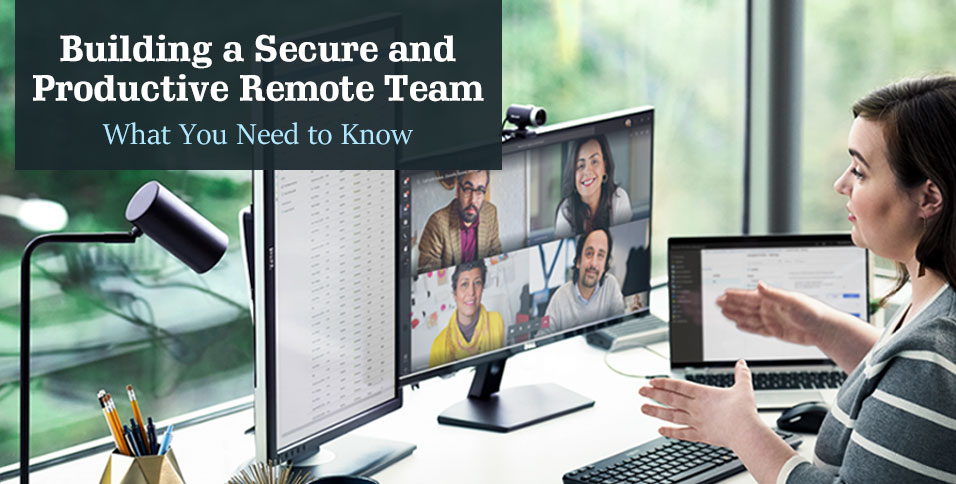
How businesses operate has transformed rapidly since the pandemic in 2020, and remote work has become a central part of that change. A move towards flexible working arrangements not only helps attract top talent but also introduces new challenges. Balancing security concerns with maintaining high productivity requires deliberate actions and thoughtful planning. As you explore building or expanding your remote team, understanding the shifting dynamics and the specific measures needed will help you create an environment where your employees can thrive safely and efficiently.
The evolving landscape of remote work in the US
Remote work in the US has moved from a rare perk to a mainstream reality. Employees expect flexibility and autonomy, and companies must adapt to meet these expectations while remaining competitive.
The shift demands a new mindset about leadership, communication, and collaboration. You’ll need to rethink traditional office-centric workflows and develop trust through clear expectations and regular check-ins. By recognizing the value remote setups bring, you can design workflows that align with your team’s natural rhythms rather than forcing them into outdated structures.
Ensuring cybersecurity in a remote work environment
Cyber threats escalate when your team operates outside a controlled office network. To protect sensitive data, enforce multi-factor authentication across all accounts and require strong, regularly updated passwords.
A VPN for business is critical for your operations as it encrypts internet traffic and hides employees’ locations, shielding communications from hackers. Train your team to recognize phishing scams and suspicious links, emphasizing that security is everyone’s responsibility. Regularly audit access privileges to ensure only authorized personnel can reach confidential systems.
Implementing the right tools and technologies
Equipping your remote team with appropriate technology shapes both security and productivity.
Choose collaboration platforms that integrate seamlessly with your existing systems and support real-time communication without delays. Alongside a VPN, deploy endpoint security solutions on all devices to detect and prevent malware.
Cloud storage services should offer encryption both in transit and at rest. Before rolling out tools, pilot them with a small group to gather feedback and iron out usability issues. Clear guidelines about tool usage prevent confusion and reduce technical frustrations.
Fostering a productive remote work culture
Productivity thrives when employees feel connected and motivated despite physical distance.
Promote open communication channels that encourage frequent updates and informal conversations to replace spontaneous office interactions. Set realistic goals with measurable outcomes to keep everyone aligned and accountable. Recognize accomplishments regularly, which builds morale and strengthens team bonds. Encourage work-life balance by respecting personal boundaries and discouraging after-hours emails to reduce burnout and maintain long-term engagement.
Navigating compliance and data privacy regulations
You must comply with regulations such as HIPAA, GDPR, or CCPA, depending on your industry and customer base.
Start by mapping where your data resides and who has access to it. Develop policies that clearly define how remote employees handle sensitive information, including secure document sharing and disposal.
Provide training that highlights regulatory requirements and consequences for non-compliance. Keep records of compliance efforts and incident responses to demonstrate due diligence during audits. Staying proactive in these areas prevents costly legal issues and reinforces trust with your clients.