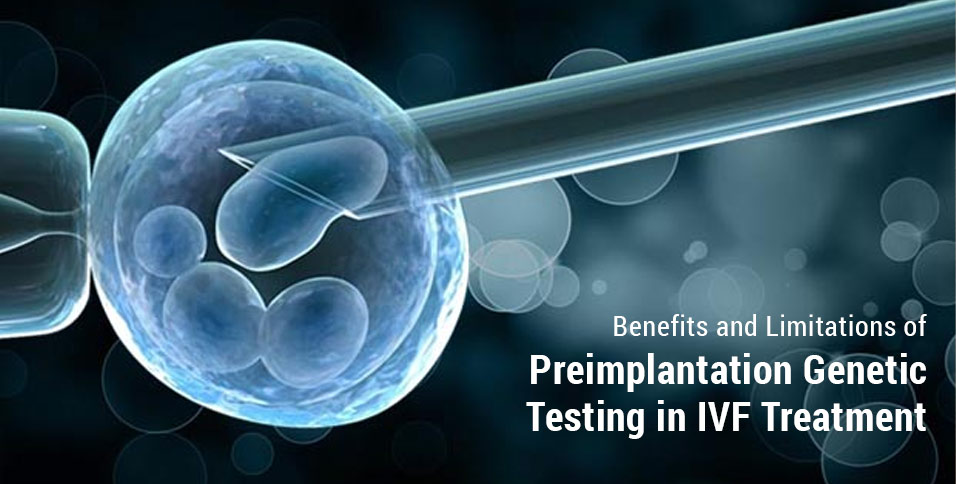
Preimplantation genetic testing has become increasingly important in in vitro fertilization (IVF) in recent years. The unique technology screens embryos for genetic (mainly chromosomal) abnormalities prior to implantation, providing prospective parents with information about the expected health of their future children.
While PGT offers significant benefits, it does have some restrictions that should be considered. In this short but insightful post, we will explore the pros and cons of PGT in IVF processes.
Understanding Preimplantation Genetic Testing
Preimplantation genetic testing (PGT) happens in the early stages of the IVF process. At this stage, the embryos are grown in a lab after fertilization. After that, several cells from each embryo are taken for gene extraction. The end goal is to detect possible hereditary conditions or chromosomal abnormalities, allowing doctors to implant the healthiest embryos.
Advantages of Preimplantation Genetic Testing
PGT has one main benefit: the reduced risk of genetic disease. This approach can help potential parents with genetic disorders by enabling embryos to be chosen for ongoing development without those disorders. This, in turn, lowers the chance of passing down inherited disorders such as cystic fibrosis or Tay-Sachs disorder.
In addition, the success rate of IVF treatments can increase with PGT. Often, the embryos with the greatest genetic health are chosen, which can increase the rate of pregnancy. This is especially helpful for those who have had failed IVF attempts, end up with multiple IVF failures behind them, or a history of miscarriages. Thus, PGT could reduce the emotional and financial burden on prospective parents.
PGT also minimizes the risks of chromosomal problems like Down syndrome. Identifying embryos that harbor the right complement of chromosomes will help healthcare providers enhance the chances for a healthy pregnancy outcome for those of advanced maternal age (greater than 35 years old) with an increased risk of chromosomal disorders.
Limitations of Preimplantation Genetic Testing
Despite these benefits, PGT has some limitations. One important limitation is false positives or false negatives. While the testing process is highly sophisticated, mistakes can result in false positive findings. These incorrect determinations can lead to choosing embryos that are mistakenly assessed as healthy or carrying genetic diseases.
The other restriction has to do with ethical concerns and PGT. Being able to select embryos for particular traits leads to the possibility of “designer babies.” This idea includes choosing embryos for particular characteristics, like eye color or intelligence, not just for health. This raises ethical dilemmas about the overall impact these decisions could have on society and how this affects the well-being of future generations.
The expense of PGT can also be a barrier for some people. This testing process proves to be an additional burden to the financial investments in an already expensive IVF process. This could lead to a situation where this technology may not be available for all prospective parents, therefore creating a wider divide between the rich and poor when, for a fee, advanced reproductive options can be theirs.
What Parents-To-Be Should Know
If you are considering incorporating PGT into your IVF journey, there are a few things you should take into account! Potential parents should see if they are at risk of passing on genetic conditions. Such an evaluation can help decide if PGT is a good option. Consultation with a genetics counselor or physician can offer an additional take on those recommendations.
But the latter two points are also good to take into consideration: the emotional effect the testing might have. Genetic information on embryos can be overwhelming, and prospective parents should prepare themselves for the prospect of sad decisions. Mental health professionals or support groups help with this phase.
Finally, careful consideration of the costs and benefits of PGT is in order. If the benefits of improved pregnancy rates and lowered risk for certain genetic conditions sound too good to be true, we should remember that they come with a cost. Soon-to-be parents should assess their budget and look for options, including insurance or assistance programs.
Conclusion
Preimplantation genetic testing may be one of the most sophisticated options for IVF patients. It can provide prospective parents with hope and reassurance by reducing the risk of genetic diseases and increasing the chances of a successful pregnancy. However, this is only a low level of translation, and we must be aware of its limits, such as unreliability, ethics, and cost.
As with any medical decision, weigh the risks and benefits carefully, and do not hesitate to consult a healthcare professional. By understanding both the positives and negatives of PGT, prospective parents can make more informed choices that fit their values and visions for the future.
Also Read: What are the Various Types of Infertility Treatments Available? A Complete Guide