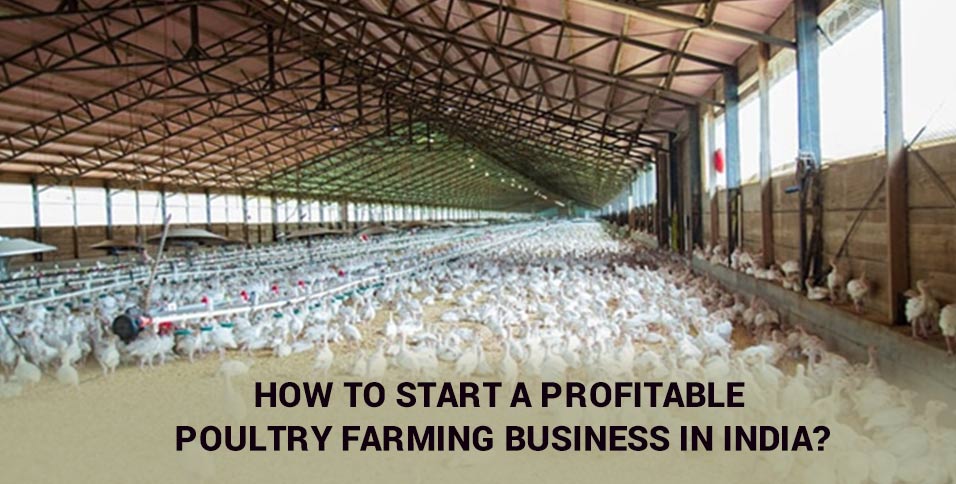
Starting your own poultry farming business in India can be a smart move if done right. With rising demand for chicken and eggs across households, hotels, and cloud kitchens, there’s a steady market waiting for quality suppliers. Whether you’re a first-time entrepreneur from a village or a small investor in a semi-urban town, poultry farming can offer good returns with low to medium investment. But success depends on how well you plan, right from choosing your poultry type to getting your paperwork and farm infrastructure in place. Let’s break it down step by step.
Why Poultry Farming is a Lucrative Business Opportunity
India ranks among the top five countries globally for egg and chicken meat production. With the growing population and a shift towards high-protein diets, the poultry industry is expanding fast. It’s not just about large commercial farms anymore; even small-scale farmers and rural entrepreneurs are entering the space with well-structured chicken farming plans. Poultry farming creates jobs, improves rural income, and contributes to food security.
Types of Poultry Farming You Can Start
Before diving into construction or buying chicks, you must decide what kind of poultry business you want to run. Here are the most common types:
- Broiler Farming: Rearing chickens for meat. Fast returns: ideal for small businesses.
- Layer Farming: Rearing hens for egg production. Regular and stable income.
- Duck or Quail Farming: Regional preferences and smaller setups.
- Hatchery Business: Producing chicks for sale.
- Integrated Farming: Combining poultry with cattle or fish farming to maximise resource use.
Each of these has different cost structures, space requirements, and market strategies. So your first step is selecting the model that fits your goals and available capital.
Build a Strong Business Plan of Poultry Farm
Your business plan isn’t just a formality. It will help you understand the costs involved, where you’ll sell your products, and how long it will take to break even. A good plan will include:
- Market Analysis: Check the local demand, current suppliers, price trends, and seasonal patterns.
- Farm Site: Ideally close to a town for better market access, but far enough from residential zones for hygiene and pollution control.
- Infrastructure Needs: Sheds, feeders, waterers, lighting, ventilation, waste disposal, all of this must be included.
- Cost Estimates: Break down the investment into land, equipment, chicks, feed, labour, and veterinary costs.
- Revenue Projections: Include expected output (meat/eggs), selling price, monthly turnover, and break-even timeline.
This document will also help you apply for a business loan from banks or government schemes.
Funding Your Poultry Venture: Business Loan and Subsidies
Poultry farming requires an initial investment, especially if you’re starting with 1,000+ birds. That’s where business loans come into play.
Here’s how you can arrange your funding:
- Bank Loans: Most national and private banks offer loans specifically for poultry farming. Interest rates generally range between 8% and 12%.
- NABARD Subsidies: The National Bank for Agriculture and Rural Development offers capital subsidy through the Poultry Venture Capital Fund (PVCF).
- Required Documents: You’ll need your business plan of poultry farm, identity/address proof, land ownership/lease documents, and projected balance sheet.
Applying for a poultry farm loan with a well-prepared plan increases your chances of approval and helps keep your cash flow on track.
Legal and Regulatory Approvals
Running a poultry business legally means following local guidelines and obtaining necessary licenses:
- Animal Husbandry Department: Submit your poultry farm layout and get local authority approval.
- Pollution Control Board: For farms with more than 5,000 birds, approval is mandatory under environmental laws.
- FSSAI Registration: If you plan to sell eggs or chicken under a brand, register your business under the Food Safety and Standards Authority of India.
Skipping these steps can lead to penalties or even shutdowns later.
Investment Required to Start a Poultry Farm
Let’s say you want to set up a small-scale broiler farm with 1,000 birds. Here’s an estimated cost breakdown:
- Land: ₹50,000 to ₹1,00,000 (depending on location)
- Shed Construction: ₹1,50,000 (with feeders, lights, and fencing)
- Chicks: ₹40,000 (at ₹40 per chick)
- Feed: ₹1,00,000 per cycle
- Medicines & Vaccines: ₹10,000
- Miscellaneous (Labour, Transport): ₹20,000
Total Initial Investment: Around ₹3.5 to ₹4 lakhs
If managed properly, you can recover this within 6 to 9 months, depending on the scale and market conditions.
Smart Practices to Make the Business Profitable
- Start Small and Scale Gradually: Begin with 500–1000 birds, learn the process, and then expand based on demand.
- Invest in Biosecurity: Keep disease outbreaks at bay by maintaining strict hygiene, scheduled vaccinations, and limited visitor access.
- Diversify Revenue Streams: Sell chicken waste as organic fertiliser, supply to restaurants or local shops, or even sell online.
- Cut Feed Costs: Since feed accounts for over 70% of your expenses, find quality feed at wholesale rates and avoid wastage.
- Monitor Performance: Use simple tools or mobile apps to track mortality rate, feed intake, and weight gain of birds.
These practices help you reduce risk and increase returns over time.
Learn from Existing Success Stories
Take Hesaraghatta Poultry Farm in Karnataka as an example. It is known not just for its production but also for offering training to aspiring poultry farmers. Their approach includes scientific techniques, climate-controlled sheds, and community knowledge sharing. This shows that when modern methods meet traditional farming know-how, the results can be truly profitable.
You can also attend training sessions, workshops, or webinars offered by agricultural universities or KVKs (Krishi Vigyan Kendras) in your state.
Conclusion
Poultry farming in India is no longer just a side business—it’s a full-fledged industry with strong demand, steady returns, and growing opportunities. With the right business plan of poultry farm, a solid market strategy, and support from business loan schemes, even a small-scale poultry venture can grow into a successful enterprise. What matters is your commitment to quality, cleanliness, and smart cost management.
So, if you’re ready to take the plunge, do your groundwork, build your plan, apply for your poultry business loan, and start your journey toward becoming a poultry entrepreneur. The time to act is now.
Also Read: Perdue Farms Creates Pollinator-Friendly Solar Project—the First Practising Poultry Company