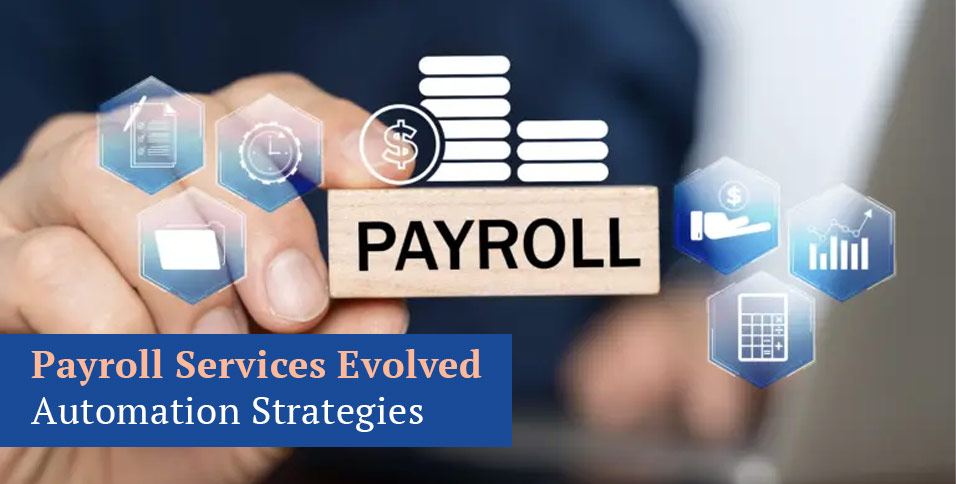
Key Takeaways
- Automation streamlines payroll processes, reducing manual errors and increasing efficiency.
- AI and machine learning technologies are integral to modern payroll systems.
- Automated payroll systems ensure compliance with evolving tax laws and regulations.
- Businesses adopting payroll automation experience significant cost savings and improved employee satisfaction.
Table of contents
Automation is more than an emerging trend—it’s a transformative force that is changing the way businesses, both large and small, manage their payroll services. By leveraging innovative payroll automation solutions, companies can reduce manual errors, improve compliance, and free up valuable time for more strategic priorities. To explore a leading option in this space, visit https://www.adp.com/what-we-offer/payroll.aspx for more about automated payroll solutions.
The integration of automation into payroll processes not only ensures that employees are paid on time but also minimizes the administrative burden commonly associated with traditional payroll methods. As regulatory landscapes continue to evolve, automation proves its worth by staying up-to-date with changing laws and offering peace of mind. Forward-thinking organizations are quickly realizing that automation is no longer a “nice-to-have” but a crucial competitive advantage.
Modern payroll systems, driven by artificial intelligence and machine learning technology, are now capable of handling more complex decision-making tasks than ever before. This advancement enhances both precision and cost efficiency in payroll operations, positioning businesses to scale more effectively.
When businesses invest in automated payroll, they also invest in their workforce. Reliable and transparent payroll management has a direct impact on employee satisfaction, trust, and long-term engagement, which are essential for organizational success. For more on the strategic implications of payroll innovation, see this resource from SHRM.
Introduction
Payroll management is a cornerstone of any successful business, playing a vital role in ensuring every employee is paid accurately and on time. Traditional manual payroll processes have long been susceptible to human error, time-consuming calculations, and challenges in keeping up with ever-changing tax laws and compliance requirements. These inefficiencies not only create administrative burdens but also increase the risk of costly mistakes that can affect employee trust and a company’s legal standing. In contrast, payroll automation provides a transformative solution by streamlining calculations, reducing errors, and ensuring compliance with regulatory standards. By integrating technology, businesses can manage employee pay more efficiently, enhance operational accuracy, and foster a professional environment that supports growth, reliability, and employee satisfaction.
The Rise of Automation in Payroll
As digital transformation sweeps through the business world, the payroll department is experiencing some of the most tangible benefits. Automated systems now carry out tasks that once took hours or even days, such as wage computations, tax withholdings, and direct deposits, in just a fraction of the time. Growing adoption of these systems is primarily driven by a need to enhance productivity and maintain accuracy under pressure. According to the Society for Human Resource Management, automation in payroll has become essential for ensuring reliable operations and scalability as organizations expand.
Benefits of Automated Payroll Systems
- Efficiency: By automating time-consuming steps, businesses free up HR staff to focus on more valuable tasks, transforming payroll from a monthly headache into a straightforward process managed with just a few clicks.
- Accuracy: Automated systems significantly reduce the likelihood of costly errors that can harm employee morale or result in regulatory fines.
- Compliance: Payroll automation tools are regularly updated with the latest tax codes, wage laws, and reporting requirements—making it easier to stay compliant and avoid legal complications.
- Cost Savings: Lowering the reliance on manual processes enables companies to decrease operational costs while mitigating risks associated with payroll mistakes.
AI and Machine Learning in Payroll
The integration of artificial intelligence and machine learning into payroll systems is rapidly elevating the potential of payroll automation. These advanced technologies provide robust predictive capabilities, enabling businesses to identify workforce trends and proactively address irregularities.
- AI-based systems can flag anomalous payments or detect patterns that indicate potential fraud, ensuring your payroll remains secure and reliable.
- Machine learning models learn from historical payroll data, continually optimizing payroll processes for efficiency and accuracy over time.
Compliance and Regulatory Adherence
Amid ever-changing tax regulations and labor requirements, non-compliance can be both costly and damaging to a company’s image. Automated payroll platforms handle complex regulatory requirements by delivering regular updates and alerts. This proactive approach minimizes the risk of oversight and helps organizations maintain full compliance, even as laws evolve at the federal, state, and local levels.
Cost Savings and ROI
Transitioning to automated payroll typically results in measurable cost reductions, not only from labor and administrative savings but also by avoiding expensive compliance penalties and rework caused by human error. In fact, many organizations report a swift return on their investment, with reduced operational expenditures and better allocation of resources to strategic growth opportunities.
Employee Satisfaction and Engagement
An accurate and punctual payroll process is vital for trust and stability within your workforce. Automated payroll facilitates transparent and reliable pay cycles, often offering employee self-service portals. These portals, which allow workers to view pay stubs, update tax forms, and change direct deposit details independently, further reduce HR workloads and promote a culture of empowerment and engagement.
Conclusion
As automation increasingly transforms payroll services, organizations are discovering remarkable improvements in operational efficiency, accuracy, and overall cost-effectiveness. By replacing time-consuming manual processes with intelligent systems, businesses can ensure compliance with complex tax regulations while minimizing errors that could lead to penalties. Beyond financial and administrative benefits, automated payroll solutions enhance employee satisfaction by providing timely and precise pay, reducing stress, and fostering trust in the organization. In today’s fast-paced and ever-changing business environment, adopting advanced payroll automation is more than a convenience—it has become a strategic necessity, empowering companies to grow confidently, maintain workforce engagement, and focus on long-term success.