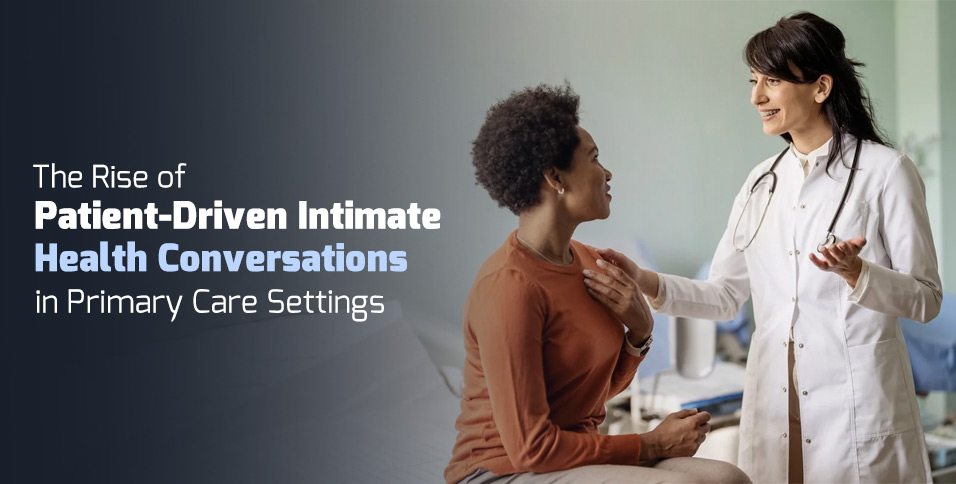
Talking about intimate health — like sex, periods, or any personal stuff — used to be kind of awkward in doctor visits. Usually, patients waited for the doctor to ask or only spoke up when things got bad. But now, more people are starting to bring these topics up themselves during their checkups. This is a good thing because it helps catch problems early and makes doctor visits better for everyone.
In this article, we’ll look at why patients are starting these talks more and how it’s changing primary care for the better.
Factors Driving the Rise of Patient-Driven Conversations
Here are some factors driving the rise of patient-driven conversations.
More Health Information at People’s Fingertips
Today, almost everyone has access to tons of health info online. Whether it’s through Google, health websites, or social media, people are learning more about their bodies and health issues.
This knowledge gives patients confidence to bring up topics they might have ignored before, like sexual health or pelvic pain. Instead of waiting for the doctor to ask, patients now feel more comfortable starting the conversation themselves because they understand the importance and want answers.
“Access to reliable health information empowers patients to be proactive about their care,” says Cynthia Diehl M.D, F.A.C.S, Plastic Surgeon at Diehl Plastic Surgery – Labiaplasty Specialist. “It helps break down stigma and opens the door for honest, informed discussions.”
Changing Attitudes About Intimate Health
There’s less shame and stigma around talking about intimate health than there used to be. People are more open about issues like contraception, menopause, or sexual difficulties.
This shift is thanks to more public discussions, education, and awareness campaigns. Because society is slowly breaking the silence, patients feel safer and less embarrassed to bring these personal topics up with their doctors.
Focus on Patient-Centered Care
Healthcare is moving towards a model where patients are more involved in decisions about their own health. Doctors are encouraged to listen and respect what patients want to talk about.
This means patients feel more empowered to speak up about intimate health concerns without fear of being judged or dismissed. It’s no longer just about doctors telling patients what to do; it’s about a two-way conversation.
Telehealth and Virtual Visits
Since virtual doctor visits became popular, many patients find it easier to talk about personal health online than face-to-face. Being in their own home during a video call can make people feel more relaxed and less shy.
Telehealth also gives patients a chance to ask questions privately and without the pressure of an in-person visit, which helps bring up topics that might feel too personal in a clinic.
Greater Awareness of Mental Health Links
People are more aware now that intimate health isn’t just about physical symptoms — it’s connected to mental and emotional well-being too.
When patients realize that issues like anxiety, depression, or stress can affect their intimate health, they’re more likely to talk about both. This bigger picture encourages patients to open up because they see how their whole health fits together.
Benefits of Patient-Driven Intimate Health Conversations
You can get these benefits.
Problems Get Caught Early
When patients take the lead in talking about intimate health, doctors can find issues before they become serious. For example, a patient mentioning discomfort or changes early on helps the doctor check for infections, hormonal imbalances, or other concerns right away.
Catching problems early means treatment can start sooner, reducing the risk of complications or chronic conditions. This early action often leads to better results, less pain, and a quicker return to normal life.
Patients Feel More Heard and Respected
When patients bring up intimate health concerns themselves, it shows they trust their doctor. In turn, doctors who listen carefully and respond with empathy make patients feel valued and understood.
This kind of respectful relationship encourages patients to be honest and open in future visits — not just about intimate issues but all health matters. Feeling heard also improves patients’ confidence in their healthcare and lowers anxiety about discussing sensitive topics.
Better Overall Health Outcomes
Open conversations between patients and doctors allow for a fuller understanding of the patient’s health. Intimate health issues are often connected to other parts of the body or mental health, so when doctors get the full picture, they can provide treatments that work better.
For example, addressing sexual health problems might improve mental well-being, relationships, and overall quality of life. This kind of personalized care is more effective than treating symptoms separately or ignoring intimate health altogether.
Breaks Down Shame and Stigma
Intimate health has long been a subject people hesitate to discuss openly because of embarrassment or fear of judgment. When patients start these talks during doctor visits, it helps make these subjects normal and less taboo.
Over time, this openness in the doctor’s office spreads to society, helping more people feel comfortable seeking help when needed. Reducing shame means fewer people suffer in silence, which can prevent worsening health and improve emotional well-being.
Encourages Shared Decision-Making
When patients are active in starting and guiding conversations about their health, they become partners in their care. This shared decision-making means doctors and patients work together to choose treatments that fit the patient’s life, values, and preferences.
Instead of doctors simply telling patients what to do, they listen and explain options clearly. This teamwork leads to better satisfaction with care, improved adherence to treatment plans, and overall better health results.
Builds Long-Term Doctor-Patient Relationships
When patients feel comfortable talking openly, it helps create a stronger, ongoing relationship with their doctor. Over time, this trust means patients are more likely to keep up with regular checkups and follow medical advice. A strong relationship also makes it easier to discuss new or sensitive issues in the future without hesitation.
Improves Mental and Emotional Well-Being
Intimate health issues often affect a person’s mental health, causing stress, anxiety, or low self-esteem. When patients bring these concerns up, doctors can address both physical and emotional sides together. This helps patients feel supported, reduces worry, and improves their overall happiness and confidence.
Helps Break Generational Taboos
For many, intimate health has been a “don’t talk about it” topic passed down through families. When patients speak openly during doctor visits, it helps break these long-held taboos. This openness can influence family members and communities, encouraging healthier attitudes toward intimate health across generations.
Encourages Preventive Care
Patient-driven conversations often include questions about lifestyle, sexual practices, or symptoms that might otherwise go unmentioned. This leads doctors to recommend preventive care like screenings, vaccinations, or counseling. Preventive care helps stop problems before they start and keeps patients healthier for longer.
Supports Personalized Health Education
When patients talk about their concerns, doctors can provide tailored advice that fits the patient’s specific situation. Instead of general health tips, patients get clear, relevant information about things like contraception options, managing menopause, or pelvic floor exercises. This personalized education helps patients make smarter health choices day to day.
Final Thoughts
In the past, talking about intimate health with your doctor wasn’t always easy or comfortable. But now, more and more people are stepping up to start these conversations themselves — and that’s a great thing.
When patients speak openly, it helps catch problems early, builds trust, and leads to better care all around. It also breaks down the awkwardness and shame that used to hold people back. Both patients and doctors benefit when these talks happen naturally and without fear.
Also Read: Why Mental Health Is Essential for Healing in the Hustle?