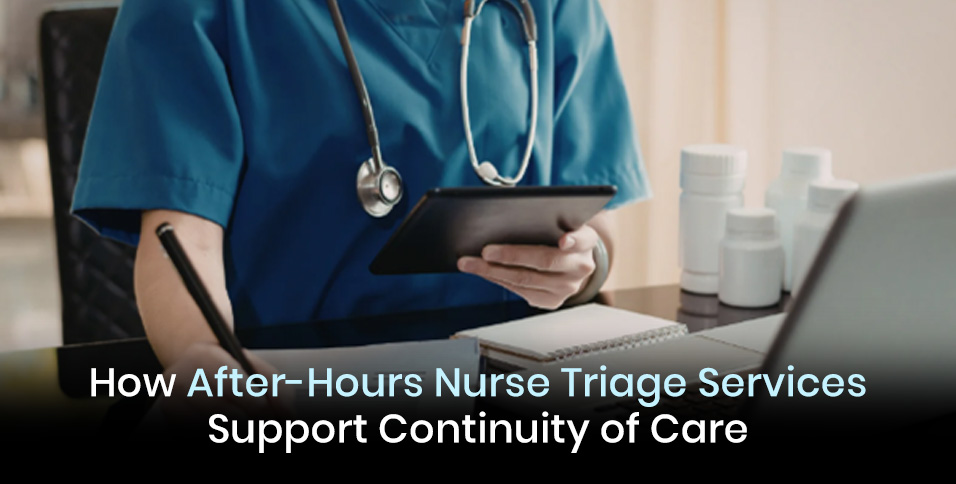
Continuity of care does not stop when a medical office closes for the day. Patients often experience symptoms, questions, or concerns outside of regular business hours, and how those moments are handled can significantly affect outcomes and trust. It is essential to understand how after-hours nurse triage services help bridge the gap between daytime care and overnight or weekend needs. These services ensure patients are guided by qualified clinical professionals when their primary provider is unavailable, helping maintain consistency and safety. By addressing concerns promptly, they reduce uncertainty, support informed decision-making, and reinforce a seamless care experience across the entire patient journey.
A critical benefit of using is that patients receive clinically appropriate guidance that aligns with established care plans rather than fragmented or delayed responses. This approach strengthens confidence while ensuring medical advice remains accurate, timely, and aligned with professional standards.
Ensuring Clinical Consistency Beyond Office Hours
Continuity of care depends on consistent clinical decision-making even when care teams are not physically present. Nurse triage professionals rely on evidence-based protocols and detailed documentation to assess symptoms and determine next steps. By following structured workflows, they help ensure patients receive advice that reflects their prior interactions, treatment plans, and known health risks. This level of consistency reduces unnecessary emergency visits while ensuring serious conditions are escalated appropriately. Patients feel supported rather than dismissed, which reinforces long-term engagement with their providers. Over time, this approach contributes to improved outcomes as care decisions remain aligned regardless of the hour.
Improving Patient Confidence and Engagement
When patients know they can access professional guidance after hours, they are less likely to delay care or make uninformed decisions. Nurse triage interactions provide reassurance, education, and clarity, which help patients understand when self-monitoring is appropriate and when further evaluation is needed. This ongoing access fosters trust and strengthens the patient-provider relationship. Patients feel heard even outside traditional schedules, which enhances satisfaction and loyalty. Consistent engagement also supports adherence to care recommendations as patients receive timely reminders and guidance tailored to their concerns.
Supporting Care Teams and Operational Efficiency
After-hours clinical coverage not only benefits patients but also supports internal care teams. By managing non-urgent inquiries overnight or on weekends, nurse triage services reduce message backlogs and prevent burnout among in-house staff. Providers can return to a more organized workload knowing patient concerns were addressed responsibly. This operational support aligns with broader goals such as healthcare lead generation by enhancing patient experience and reputation without compromising clinical quality. Practices that maintain reliable communication are more likely to attract and retain patients seeking dependable long-term care relationships.
Reducing Fragmentation Across the Care Continuum
Fragmented care often occurs when patients seek help from unrelated facilities due to a lack of access. Nurse triage services help prevent this by guiding patients toward appropriate next steps that align with their existing care network. Whether advising home monitoring, scheduling follow-up, or escalating to urgent care, the guidance remains coordinated. This coordination preserves accurate medical histories and reduces redundant testing or conflicting advice. It also ensures that follow-up care is more efficient as providers receive a clearer context around after-hours interactions.
Conclusion
After-hours nurse triage services play a vital role in preserving continuity of care by extending clinical guidance beyond standard schedules. Through consistent decision making, patient reassurance, operational support, and reduced care fragmentation, these services help ensure patients remain connected to appropriate care at all times. By maintaining professional oversight and alignment with established care plans, they reinforce a seamless healthcare experience that benefits both patients and providers.