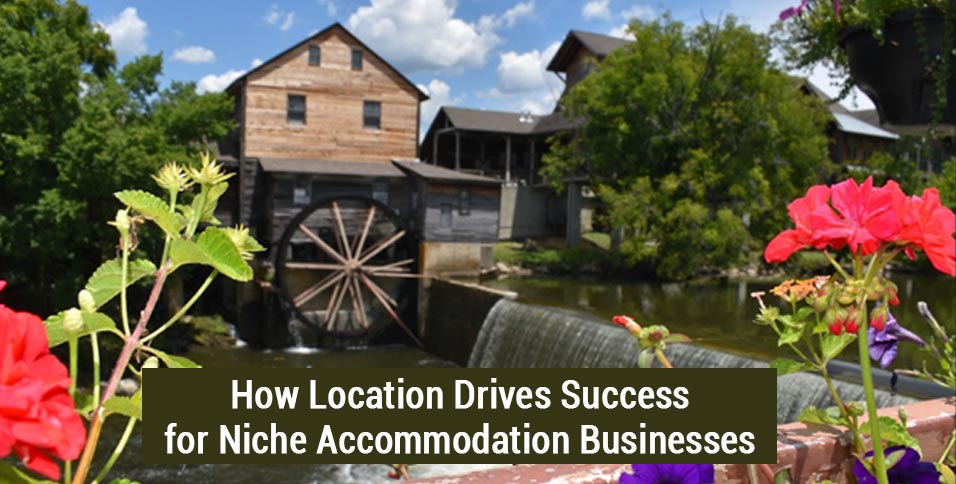
When was the last time you booked a stay just because the photos looked nice—but then canceled when you saw the actual map pin? Beautiful listings can attract attention, but it’s location that seals the deal. For niche accommodation businesses, where character and experience matter more than standardized amenities, success is often decided not by how much you offer, but by where you put it.
From the Smokies to the river towns, Tennessee offers a setting that sells itself—if you choose the right corner to build in. In this blog, we will share how location shapes the long-term potential of these businesses.
Where You Are Isn’t Just a Backdrop—it’s the Business
In the age of ultra-curated getaways, location does more than complement a niche hospitality brand. It defines it. The current travel landscape favors experiences that feel personal, authentic, and just a little off the beaten path. Guests want more than a clean room. They want a setting that becomes part of the story.
That’s one reason rural and scenic areas are attracting new interest from hospitality entrepreneurs. Mountains, lakes, trails, and small towns create a built-in narrative that traditional urban lodging can’t offer in the same way. It’s also why so many investors are now looking into smaller, experience-driven properties with roots in natural beauty and local charm.
Take the Smoky Mountains as a clear example. Travelers looking for quiet, scenery, and a change in pace aren’t drawn to these places by accident—they’re drawn by intent. That demand has led to a sharp rise in interest for log cabins for sale in Tennessee, especially in areas like Pigeon Forge, Gatlinburg, Sevierville, and Pittman Center. These properties aren’t just homes. They’re potential short-term rentals, second homes, or lifestyle investments with long-term earning potential.
Local Realty Group has responded to this demand by featuring a range of options in Smoky Mountain real estate—from townhomes to development lots—giving business-minded buyers room to choose a property that fits their vision and timeline. The strength of the location does some of the work. Guests come looking to unplug, and when the setting delivers that experience without pretense, word spreads fast.
Niche Hospitality Relies on the Right Kind of Traffic
Foot traffic is often a metric tied to urban business, but in niche accommodations, it takes on a different meaning. You’re not just looking for volume. You’re looking for the right kind of traveler—people who value what you’re offering and are willing to pay for it.
This makes location filtering even more critical. Proximity to regional attractions, yes, but also distance from noise. Views that frame the property as part of the landscape. Access that’s convenient but not too obvious. Guests who seek out niche stays are doing it on purpose. The setting matters because they’ve chosen it over something easier, cheaper, or more predictable.
The pandemic shifted this even further. As remote work blurred the line between weekday and weekend, travel patterns loosened. Midweek getaways and longer stays became more common. Location flexibility grew—but only for places that offered something distinctive. Niche properties that were located too far from anything meaningful, or too close to overbuilt tourist zones, saw mixed results. The winners sat just outside the noise—close enough for convenience, far enough to still feel different.
Local Culture Adds Value Without Inflating Overhead
One of the underrated benefits of a great location is how much it contributes to guest satisfaction without requiring more investment from the operator. When guests can explore a nearby town, visit a local business, or take part in regional traditions, the overall experience deepens—and the host doesn’t have to build anything extra.
This is where towns like Gatlinburg and its neighbors become more than just coordinates. They add value to the guest journey. Independent shops, family-run attractions, small-town charm—they all become part of the extended stay. That kind of cultural texture gives niche accommodations staying power. It’s harder to replicate. It doesn’t rely on luxury upgrades. And it appeals to travelers looking for a shift in rhythm rather than status.
In business terms, this reduces the cost of customer acquisition. Word-of-mouth travels faster when the place feels complete. Guests leave with stories, not just photos. They recommend not only the property, but the place itself. And those referrals bring in more aligned, lower-maintenance customers.
Seasonality and Operational Rhythm
Even in strong locations, timing matters. Understanding the rhythm of a place—when guests travel, when things slow down, when weather interferes—helps niche operators make smarter decisions about pricing, staffing, and maintenance.
In mountain regions, for example, shoulder seasons can stretch longer than expected. Summer may peak in June and July, fall may bring a brief burst in October, but winter could be hit or miss depending on weather and accessibility. That doesn’t mean the business doesn’t work—it just means the model needs to adjust for the reality of the place.
Great locations allow for flexibility. They offer enough draw to support year-round marketing strategies. And with the rise of work-from-anywhere culture, some of that seasonality is being softened. Still, planning for the natural flow of traffic is essential. A niche business that runs too lean in the off-season can’t afford surprises. And one that overextends in the high season can lose its footing with just a few cancellations or unexpected repairs.
Location Isn’t a Shortcut, But It Is Leverage
At the end of the day, location doesn’t guarantee success—but it multiplies your efforts. A great property in the wrong place works twice as hard for half the return. A modest space in a great location often punches above its weight.
For niche accommodation businesses—where branding, guest experience, and storytelling matter—location provides context. It tells guests what to expect before they arrive. It shapes the tone of their stay. It reduces the need to overdecorate or oversell. And in the long run, it protects your investment by tying it to a place people want to return to again and again.
Location is strategy in disguise. The more you understand the place you’re building in, the better you can build something that lasts.