Mirror Review
January 20, 2026
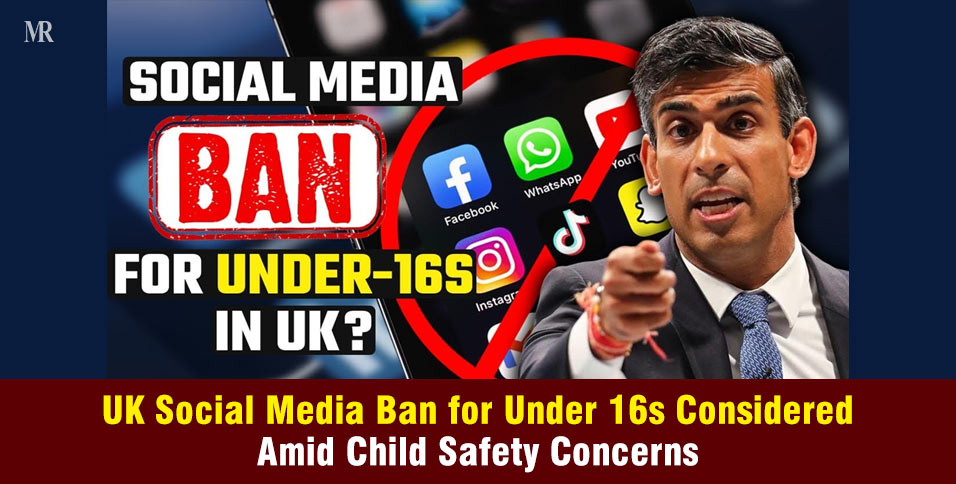
The UK social media ban debate has resurfaced as the government considers whether to restrict children under 16 from using social media platforms.
This comes amid rising concern over children’s exposure to harmful content, addictive algorithms, and excessive screen time.
Pressure has increased from parents, lawmakers, and child safety groups who argue that current safeguards do not go far enough.
With other countries already taking firm action, the UK is now reassessing its approach.
What the government is proposing
The government has launched a public consultation to explore several options linked to a possible UK social media ban for minors.
These include:
- Setting a minimum age limit for social media use, potentially under 16.
- Introducing stronger age verification checks on platforms.
- Restricting addictive features such as infinite scrolling and streaks (digital detox).
- Limiting how platforms collect and use children’s data.
Ministers have said all options remain open, including an Australia-style ban that blocks under-16s from accessing certain platforms unless strict age checks are passed.
Why child safety is driving the discussion
Child safety is the core reason behind the renewed focus on the social media ban UK petition. Regulators and researchers point to clear risks linked to unchecked social media use among children.
Key concerns include:
- Exposure to harmful content related to self-harm, suicide, eating disorders, and hate speech.
- Algorithm-driven feeds that push extreme or repetitive content.
- Increased anxiety, sleep disruption, and reduced attention spans.
Government data shows that nearly half of children now encounter age checks online, up from around one-third before stricter safety rules were introduced.
Visits to major adult content sites have reportedly dropped by about one-third following tighter controls.
What key leaders are saying
Technology Secretary Liz Kendall said the current rules were never meant to be the final step.
“Our responsibility is clear. Technology should enrich children’s lives, not harm them. If existing measures are not enough, we are prepared to go further,” she said.
Prime Minister Keir Starmer has also signaled openness to stronger action, noting that the government is closely studying evidence from countries that have already imposed age-based restrictions.
“We need to protect children online, and no option is off the table,” Starmer said during a recent briefing.
How Australia’s ban influences the UK debate
Australia became the first country to introduce a nationwide social media ban for under 16s in late 2025. Platforms there must carry out robust age verification checks, including ID-based systems.
UK ministers plan to review early outcomes from the Australia social media ban before making a final decision.
Supporters believe the model offers a clear line for enforcement. Critics warn that children may simply move to less regulated corners of the internet.
This comparison plays a major role in shaping the UK social media ban discussion, especially among lawmakers pushing for decisive action.
Concerns and criticism from experts
Not everyone agrees that a full ban is the best solution. Some digital health researchers argue that evidence on age-based bans is still limited.
Experts suggest that a balanced approach may work better, combining:
- Stronger moderation of harmful content.
- Safer algorithms for younger users.
- Better digital literacy for children and parents.
Several charities have also warned that a blanket UK social media ban could create a false sense of security while pushing risks elsewhere online.
What this could mean for parents and schools
Alongside the social media proposals, the government is tightening guidance on mobile phone use in schools. Ofsted is expected to check whether schools are phone-free during lessons and breaks.
For parents, the consultation signals a shift toward stricter oversight of children’s online lives. Clearer age rules and stronger checks could reduce reliance on families to police access alone.
What happens next
The consultation will gather views from parents, young people, educators, and industry stakeholders. The government plans to respond later this year after reviewing evidence and public feedback.
If approved, a social media ban for under-16s in the UK would mark one of the most significant changes to digital regulation in the country.
Conclusion
The UK social media ban debate reflects a broader question facing modern societies: how to protect children online without cutting them off from the digital world.
As evidence from abroad emerges and public pressure grows, the UK stands at a key decision point.
Whether through a ban or tougher safeguards, the direction is clear. Child online safety is no longer a side issue. It is now a central component to digital policy.
Maria Isabel Rodrigues