Mirror Review
September 24, 2025
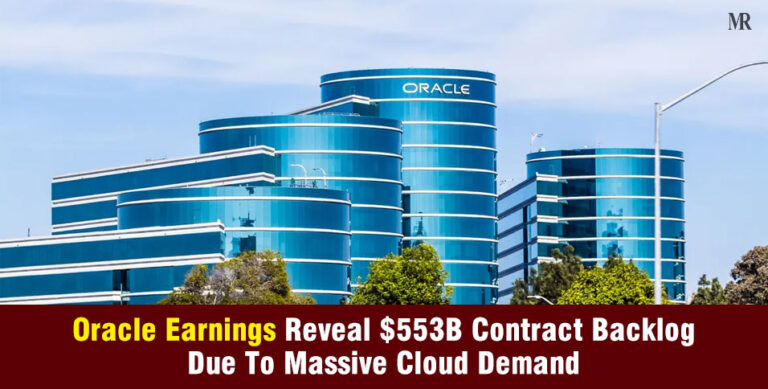
Larry Ellison is best known as the billionaire cofounder of Oracle, one of the world’s biggest software and cloud companies.
For decades, he was seen as a tech infrastructure king, not a media player.
That image is changing fast as Oracle leads the U.S. takeover of TikTok and his son David expands into Hollywood through Paramount and a possible Warner Bros. Discovery bid.
Larry Ellison’s media empire is taking shape in a way that could redefine who controls the stories, platforms, and algorithms shaping public opinion.
This isn’t just another billionaire buying a TV channel.
Ellison is building influence across three layers:
- The content people watch
- The platforms that deliver it
- The algorithms that decide what rises to the top.
That rare combination could make him one of the most powerful media moguls of this decade.
Why Larry Ellison’s Media Empire Matters Now
- TikTok deal in motion: A consortium led by Oracle, Silver Lake, and Andreessen Horowitz is set to hold ~80% of TikTok’s U.S. operations, with ByteDance (China) retaining under 20%.
- Algorithm control: The plan is for Oracle to lease, retrain, and monitor TikTok’s U.S. algorithm to meet security demands.
- Media holdings of the Ellisons: Ellison’s son, David, merged Skydance with Paramount Global (owner of CBS), and is reportedly eyeing Warner Bros. Discovery (HBO, CNN) acquisitions.
- Regulatory and political backdrop: The deal faces close scrutiny amid US–China tensions, media regulation, and concerns about consolidation.
Together, these developments suggest Ellison is trying to rewire how influence in media works, not just through owning channels but by influencing what people see and how.
The 3 Layers of Ellison’s Media Strategy
1. Content (“What people consume”)
This is the traditional core of media power: owning studios, channels, networks, and franchises.
- Through David Ellison’s leadership, Paramount + CBS are under a new umbrella, giving access to news, drama, and entertainment content.
- The Ellisons reportedly have designs on Warner Bros. Discovery (CNN, HBO) — a move that would tie them deeper into US news, culture, and politics.
- Control over content acts as the “influence fuel”: owning the stories, voices, and narratives that shape public imagination.
2. Platforms (“Where content is distributed”)
Here, Larry Ellison is stepping beyond infrastructure into direct reach to audiences.
- TikTok U.S. becomes a major platform under this strategy. If Oracle’s consortium succeeds, Ellison would gain a direct line to 170 million U.S. users.
- Oracle already hosts U.S. TikTok user data in its cloud systems.
- By owning the platform layer, Ellison can integrate content (from CBS, Paramount, etc.) with timing, access, and placement decisions.
3. Algorithms (“How content reaches people”)
This is the most opaque, yet potentially the most powerful lever.
- Under the proposed deal, Oracle will lease TikTok’s algorithm, retrain it on U.S. data, and continuously monitor it.
- Algorithmic control enables shaping feed order, boosting certain types of content, and influencing engagement dynamics.
- This layer gives Ellison the power not just to host content, but to decide which content people see first, which is effectively a form of “soft editorial control.”
As the Washington Post noted, “The app’s recommendation algorithm will remain in ByteDance’s hands under the proposal, undermining one of the Biden team’s central justifications for the law.”
Conclusion
Larry Ellison’s media empire is moving from idea to reality, layered across content, platforms, and algorithms.
The TikTok-Oracle deal is more than a corporate acquisition; it’s a blueprint for a new media order where influence is embedded in the mechanics of distribution.
If Ellison succeeds, his power won’t just come from what he owns, but from how he shapes what millions see.
And in today’s world, controlling the algorithm may prove more potent than owning the network itself.