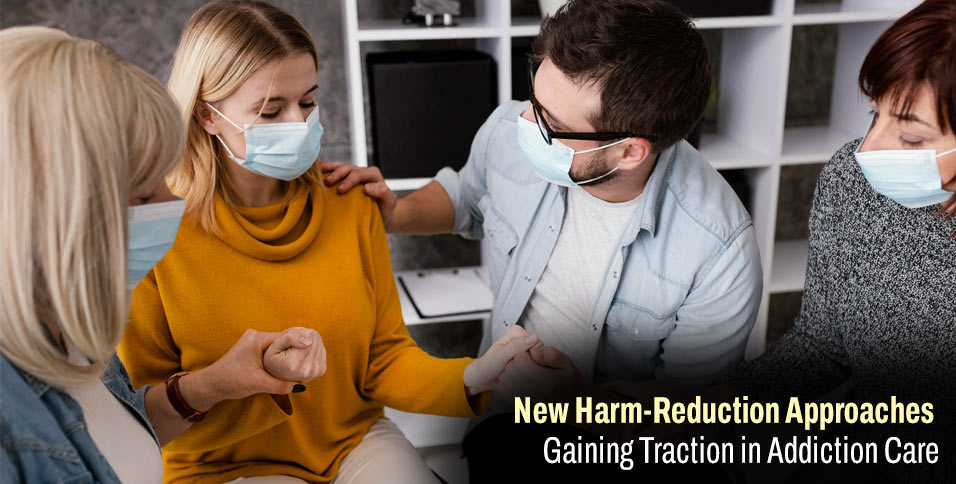
Addiction care in the United States is undergoing a significant shift. For decades, treatment models were largely built around abstinence-only frameworks, often leaving little room for individuals who were not ready or able to stop substance use entirely. While abstinence-based treatment remains an effective and appropriate path for many, it is no longer viewed as the only viable approach.
Harm reduction has emerged as a complementary philosophy that prioritizes safety, dignity, and engagement over rigid expectations. Across Northern California and beyond, this evolution is influencing how treatment programs operate, how success is defined, and how individuals are supported at every stage of change. As this shift continues, programs recognized among the best rehabs in Northern California are increasingly integrating harm-reduction principles into comprehensive addiction care.
What Harm Reduction Means in Modern Treatment
Harm reduction is a set of practical strategies aimed at reducing the negative consequences of substance use rather than insisting on immediate cessation. It acknowledges that substance use exists on a spectrum and that people deserve care and respect regardless of where they are in their recovery journey.
In practice, harm reduction may involve:
- Education about safer use practices
- Overdose prevention strategies
- Medication-assisted treatment options
- Support for gradual behavior change
- Ongoing engagement even when relapse occurs
Rather than framing relapse as failure, harm reduction views it as a signal that additional support or adjustment is needed. This perspective can help keep individuals connected to care instead of pushing them away.
Why Harm Reduction Is Gaining Acceptance
Several factors are driving the growing acceptance of harm-reduction approaches in addiction care. One major factor is the ongoing overdose crisis, which has highlighted the limitations of models that disengage individuals who struggle to maintain abstinence.
Another factor is increased understanding of addiction as a chronic health condition rather than a moral failing. Research and clinical experience have shown that rigid, one-size-fits-all approaches often leave many people without support during critical periods.
Harm reduction helps bridge this gap by meeting individuals where they are and offering pathways toward stability that may eventually lead to abstinence—or improved health outcomes even if abstinence is not immediate.
Northern California as a Hub for Innovation
Northern California has long been a region where progressive healthcare models take root. With its strong public health infrastructure, academic influence, and emphasis on individualized care, the region has become a testing ground for harm-reduction strategies.
Programs across Northern California are experimenting with ways to integrate harm reduction into traditional treatment settings, including residential and outpatient care. This does not mean abandoning structure or accountability. Instead, it means expanding the definition of success to include reduced risk, improved quality of life, and sustained engagement.
For many individuals, this approach lowers the barrier to entry into treatment and makes ongoing participation more realistic.
Harm Reduction Within Structured Treatment Programs
A common misconception is that harm reduction and structured rehab programs are incompatible. In reality, many treatment centers now blend harm-reduction principles with evidence-based clinical care.
This may include offering medication-assisted treatment while also providing therapy and peer support, or allowing individuals to work toward abstinence at a pace aligned with their readiness. Some programs focus on reducing the most dangerous behaviors first, such as overdose risk or unsafe injection practices, while building motivation for broader change.
This blended approach allows treatment to remain both compassionate and clinically grounded.
Redefining Success in Addiction Care
One of the most meaningful impacts of harm reduction is how it reframes success. Traditional models often define success narrowly as complete abstinence, which can overlook meaningful progress such as reduced use, improved mental health, or stabilized housing and relationships.
Harm-reduction-informed care recognizes incremental change as valuable. A person who reduces use, avoids overdose, or stays connected to treatment is making progress—even if abstinence has not yet been achieved.
This shift can be especially empowering for individuals who have cycled through treatment multiple times and feel discouraged by past experiences.
The Role of Research and Public Health
Public health research has played a key role in legitimizing harm-reduction approaches. Studies consistently show that harm reduction reduces overdose deaths, increases treatment engagement, and improves overall health outcomes.
Organizations like the National Institute on Drug Abuse provide research-based information on substance use disorders and effective treatment strategies, including medication-assisted treatment and prevention-focused interventions. This research has helped move harm reduction from the margins into mainstream healthcare conversations.
As evidence continues to accumulate, harm reduction is increasingly viewed not as a compromise but as an essential component of comprehensive addiction care.
Addressing Stigma Through Harm Reduction
Stigma remains one of the greatest barriers to addiction treatment. Many individuals avoid seeking help due to fear of judgment, punishment, or exclusion. Harm reduction directly challenges this stigma by affirming that people deserve care regardless of their current substance use.
By removing moral judgment from treatment, harm-reduction approaches help create environments where honesty is possible. Individuals are more likely to disclose use patterns, health concerns, and relapse risks when they do not fear immediate consequences.
This openness allows providers to intervene more effectively and reduce harm in real time.
Ethical and Clinical Considerations
Integrating harm reduction into treatment requires thoughtful clinical oversight. Ethical programs maintain clear boundaries, safety protocols, and individualized treatment planning. Harm reduction is not the absence of structure—it is a different way of applying it.
Clinicians must assess risk continuously, coordinate care across disciplines, and ensure that harm-reduction strategies align with each individual’s goals and medical needs. When done responsibly, harm reduction enhances—not undermines—clinical integrity.
Who Benefits Most From Harm-Reduction Approaches
Harm reduction can benefit a wide range of individuals, particularly those who:
- Have experienced repeated relapse
- Are ambivalent about abstinence-based treatment
- Face co-occurring mental health challenges
- Are at high risk for overdose
- Have had negative experiences in traditional treatment settings
By offering multiple entry points into care, harm reduction expands access and reduces the likelihood that individuals will disengage entirely.
The Future of Addiction Treatment
As addiction care continues to evolve, harm reduction is likely to play an increasingly central role. Rather than replacing abstinence-based treatment, it broadens the continuum of care and allows providers to respond more flexibly to individual needs.
The future of effective addiction treatment lies in integration—combining evidence-based therapy, medical support, peer engagement, and harm-reduction strategies to create responsive, humane systems of care.
Building a More Inclusive Path to Recovery
Harm reduction is changing how addiction care defines success, engagement, and compassion. By prioritizing safety and dignity alongside long-term recovery goals, these approaches help keep individuals connected to support during vulnerable moments.
As harm-reduction models continue to gain traction, they offer a path toward addiction care that is not only effective, but inclusive—meeting people where they are while supporting healthier, more sustainable futures.