Marketing is an ever-shifting game. From billboards and jingles to influencer campaigns and TikTok challenges, businesses constantly search for new ways to capture attention and connect with audiences. In recent years, one unlikely but powerful tool has entered the spotlight: music visualizers.
Once confined to the background of personal playlists or late-night YouTube rabbit holes, music visualizers have become a dynamic resource for businesses looking to stand out. Whether used to amplify brand identity, elevate customer engagement, or add polish to marketing campaigns, visualizers are proving that the marriage of sound and sight can pack a serious punch.
This article explores how music visualizers are changing the way businesses market themselves—and why they’ve become one of the most versatile tools in the digital marketing toolkit.
What Exactly Is a Music Visualizer?
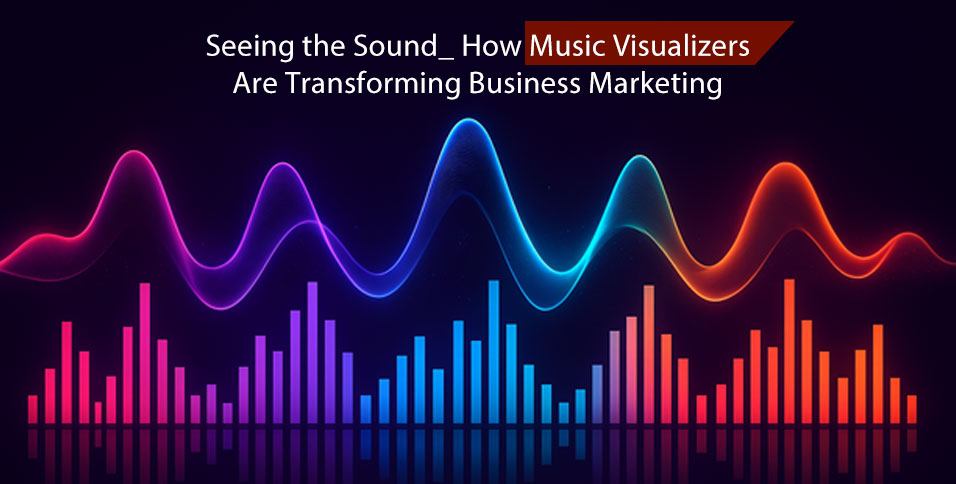
At its core, a music visualizer is a piece of software or digital tool that translates audio—usually music or spoken word—into animations, shapes, or images. Think of the pulsing bars on old media players, then imagine that concept elevated into vibrant, dynamic, often hypnotic visuals synced perfectly with sound.
Visualizers can be minimal, like elegant waveforms, or extravagant, with neon-colored galaxies swirling to the beat. And because they’re relatively easy to customize, businesses of all sizes—from scrappy startups to corporate giants—are embracing them as a way to inject energy and artistry into their messaging.
Why Visuals Matter in Marketing
We live in a content-saturated world where attention spans are short and competition is fierce. Visual content reigns supreme on social platforms, often outperforming static text or audio-only content. Music visualizers are a natural fit in this landscape because they combine two powerful attention-grabbers: sound and motion.
When a customer listens to a track or message with visuals attached, they’re more likely to stay engaged. The human brain is wired to pay attention to patterns, colors, and movement. By tapping into this psychological truth, businesses can create marketing experiences that not only catch eyes but also stick in memory.
Amplifying Brand Identity
One of the most effective uses of music visualizers in marketing is strengthening brand identity. Imagine a boutique coffee company releasing a playlist of curated lo-fi beats to match their cozy vibe. Adding a branded visualizer—warm earth tones, coffee cup icons pulsing to the beat—suddenly transforms background music into a brand experience.
This works across industries. A fitness brand can match energetic tracks with visuals that pulse like heart monitors. A luxury car company can design sleek, minimalist visualizers synced to atmospheric soundtracks. By customizing visuals to reflect their unique identities, businesses create stronger emotional connections with customers.
A Cost-Effective Alternative to Music Videos
High-quality music videos are expensive to produce. For businesses, especially small to medium-sized ones, that kind of budget isn’t always feasible. Music visualizers provide a cost-effective alternative.
Instead of hiring directors, renting equipment, or scouting locations, companies can create stunning audio-visual experiences with digital tools at a fraction of the price. For businesses that want to launch a campaign with music at the center, visualizers are a practical and scalable solution.
Expanding Social Media Engagement
Platforms like Instagram, TikTok, and YouTube reward visual creativity. A static audio file rarely gets traction on its own, but add a vibrant music visualizer, and suddenly it’s shareable, eye-catching, and ripe for algorithmic boosts.
Businesses are using visualizers to:
- Promote new product launches with tracks that reflect the brand’s energy.
- Release podcasts or audio ads with a dynamic visual backdrop.
- Engage customers in contests (e.g., “Remix our track and use our visualizer template to share your version”).
- Drive longer watch times by providing something visually stimulating alongside audio content.
By blending art with marketing, visualizers turn simple content into captivating digital experiences that thrive on today’s platforms.
Data-Driven Storytelling
Music visualizers aren’t just for fun—they can also serve as tools for data-driven storytelling. Businesses are experimenting with syncing visuals to metrics, customer behavior, or sales trends. Imagine a campaign where the beat drops in sync with rising sales figures, or where customer testimonials appear in rhythm with the music.
By merging abstract data with audio-visual storytelling, companies create a unique way to humanize numbers and connect with audiences who might otherwise glaze over at spreadsheets.
The Psychology of Immersion
One of the underappreciated strengths of music visualizers lies in their ability to create immersion. The rhythmic synchronization between audio and visual elements captures attention and keeps people hooked longer.
For businesses, this is marketing gold. Longer engagement times mean stronger recall and better chances of conversion. When customers watch a visualizer all the way through, they’re not only absorbing the message—they’re experiencing it. That emotional resonance often translates into loyalty.
Case in Point: Small Businesses and Startups
While big brands have the resources to explore flashy marketing trends, visualizers are leveling the playing field for smaller players. A startup brewery in Marble Falls, Texas, might release a playlist of local bands with a branded visualizer. A handmade jewelry business in Alabama could pair calming instrumentals with animations inspired by their designs.
These examples prove that visualizers aren’t reserved for companies with deep pockets. With accessible tools available online, even small businesses can punch above their weight creatively.
The Role of Customization
The real magic of music visualizers comes from customization. Businesses can tailor every aspect—colors, shapes, movements, logos—to align with campaigns. Some even create interactive visualizers that respond to audience input, pushing engagement further.
Customization ensures that visualizers don’t just look “cool,” but also serve as meaningful extensions of the brand’s personality and values. When done well, the visuals become inseparable from the music, and the brand becomes inseparable from the experience.
Challenges to Consider
As with any tool, music visualizers are not a silver bullet. Overusing them can lead to visual fatigue, and poorly designed visuals can come across as gimmicky rather than engaging. Businesses must balance creativity with clarity.
Another challenge is ensuring accessibility. Visual-heavy content should still be inclusive—adding captions, providing clear brand messaging, and ensuring content doesn’t exclude audiences with sensory sensitivities are all important considerations.
Looking Ahead: The Future of Music Visualizers in Marketing
As technology advances, music visualizers are moving beyond simple waveforms into immersive experiences. With the rise of VR and AR, businesses will be able to create interactive visualizers that customers can step into, blurring the lines between content and environment.
Imagine attending a virtual product launch where music pulses through your headset while branded visuals surround you in 3D space. Or envision a retail store using in-store displays that react in real time to background music, creating a dynamic shopping experience.
The possibilities are nearly limitless—and businesses that embrace them early will have a significant edge.
Final Thoughts
Music visualizers may have started as a novelty, but they’ve become a serious marketing tool. They allow businesses to amplify brand identity, save on production costs, boost social media engagement, and connect with customers on a deeper, more emotional level.