The right combination of current design features can help websites capture attention, improve readability, and encourage visitors to explore further. From bold typography to immersive 3D elements, emerging trends aren’t just ephemeral—they represent a commitment to great user experience, sustainability, and innovative visual presentation. Embracing these approaches transforms a website from functional to unforgettable, ensuring your business remains at the forefront of the digital world.
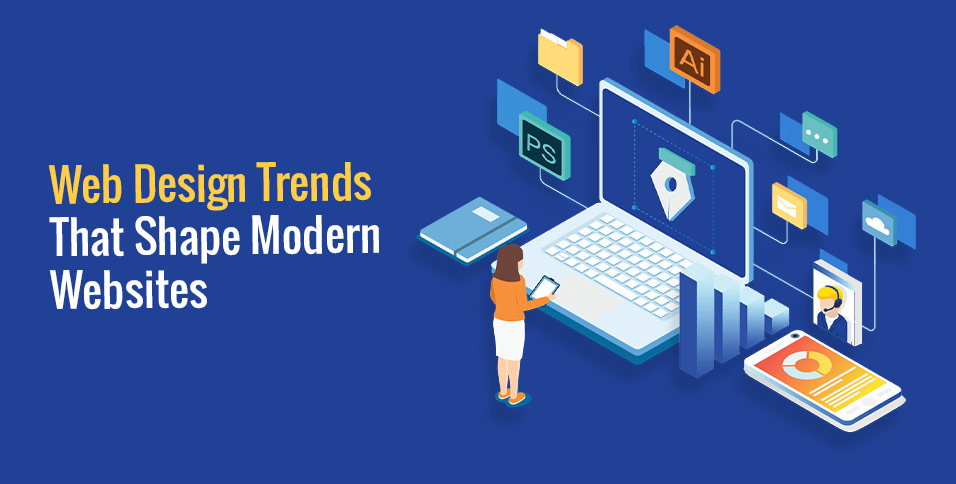
In the ever-evolving digital landscape, staying ahead of the latest web design trends is essential to building user-centered and visually compelling websites. Design isn’t just about appearances—it’s about improving usability, accessibility, and fostering deeper user engagement. To stand out and deliver memorable experiences, businesses are turning to a Dallas web design company that understands and implements the freshest digital trends. This comprehensive guide explores the prevailing web design elements defining modern sites and why adopting these is a strategic advantage for brands.
Dark Mode Design
As more users seek low-light browsing, dark mode has evolved beyond being an aesthetic option. It cuts down glaring brightness, reduces eye strain in dim environments, and can even extend battery life on mobile devices using OLED screens. Dark backgrounds let accent colors pop and often lend a sophisticated, high-contrast appearance to content, making brands feel modern and tech-savvy. Leading platforms like Google and Apple empower users with dark mode toggles, demonstrating its widespread appeal. Adopting this mode keeps your design inclusive and responsive to user preferences.
3D and Immersive Elements
Interactive 3D visuals are redefining digital engagement, moving beyond mere aesthetics to functional interactivity. Whether through subtle parallax animations or full virtual product showcases, 3D graphics immerse users and hold their attention longer. Brands like Inboda use 3D branding in the hero section, drawing visitors into the story from the very first scroll. By integrating tools such as Blender or Google Web Designer, designers can layer depth and intrigue, providing experiences reminiscent of apps and games.
Sustainability and Eco-Friendly Design
Sustainable web design is on the rise as eco-conscious consumers prefer brands reflecting their values. Modern websites are adopting earthy palettes, minimalistic layouts, and content that reduces resource consumption for both users and servers. Elements such as concise copy, optimized images, and clean code contribute to a greener web footprint. The Poveda template by Hostinger is a standout, deploying scenic hero images and a green color palette that aligns with sustainability goals while keeping the interface inviting. Businesses that integrate such features foster goodwill and demonstrate corporate responsibility.
Abstract and Organic Shapes
The shift away from uniform grids and hard corners has ushered in an era of fluid, organic aesthetics. Designers are experimenting with blobs, rounded corners, waves, and asymmetrical layouts to create energy and direct focus naturally. These abstract shapes provide rhythm and movement, making each scroll feel fresh and interactive. Rounded shapes don’t just add visual interest—they guide the user’s gaze and can subtly keep visitors engaged, reducing bounce rates and increasing session time.
Neumorphism (Soft UI)
Neumorphism, or Soft UI, blends the physicality of skeuomorphism with the cleanliness of flat design for an ultra-modern interface. Gentle shadows, subtle color shifts, and soft appearance make interfaces feel approachable and touchable. This style is particularly effective in interactive elements like buttons, toggles, and input fields, adding depth without crowding the space. Brands seeking a minimalist yet tactile aesthetic can leverage neumorphism to convey both modernity and friendliness.
Micro Interactions
Micro-interactions are small, often overlooked details that collectively improve usability and feedback, such as button hover states, loading spinners, or confirmation animations. These touches make user journeys more intuitive and enjoyable, offering instant visual responses to clicks and scrolls. Platforms have popularized these effects, showing that even subtle tweaks greatly enhance professionalism and perceived quality.
Emotional Design and Storytelling
Fostering a memorable emotional connection is now central to leading web design strategies. Through relatable imagery, narrative-driven copy, and immersive interactivity, designers trigger genuine responses and lasting memories. Storytelling techniques transform even simple landing pages into journeys that visitors want to share. Genuine imagery and thoughtful, conversational text help build trust and loyalty over simple transactional exchanges.
Adopting these impactful web design trends ensures your site is not just aesthetically pleasing, but also intuitive, sustainable, and memorable—capable of meeting user needs and exceeding expectations in a crowded digital marketplace.
Conclusion
Together, these trends reflect a future where web design is as much about user experience and values as it is about aesthetics. From dark mode’s practical accessibility to immersive 3D visuals, eco-friendly layouts, and emotionally resonant storytelling, today’s most effective designs prioritize connection, inclusivity, and innovation. By thoughtfully adopting these approaches, businesses can create digital spaces that feel modern, engaging, and responsible—ensuring their websites remain relevant and impactful in an ever-evolving online landscape.