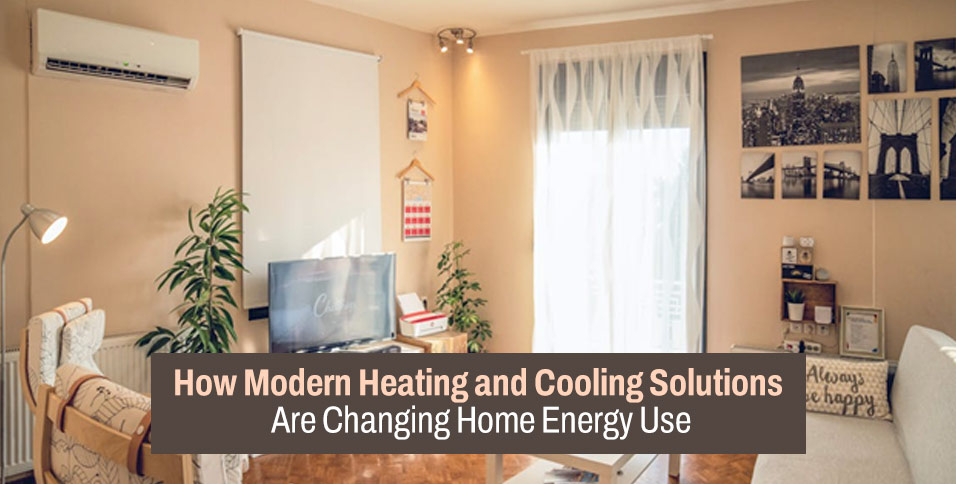
Rising utility costs, changing weather patterns, and a stronger focus on efficiency have pushed homeowners to rethink how they heat and cool their spaces. Heating and cooling often account for a large portion of household energy use, so even small improvements can make a noticeable difference.
Traditional HVAC systems were built for a one-size-fits-all approach. They heat or cool the entire home at once, whether every room is being used or not. That method worked when energy costs were lower, but it’s far less practical today. Modern solutions focus on smarter design, better control, and targeted comfort. Instead of pushing air through long duct runs and wasting energy along the way, newer systems are designed to work only where and when they’re needed.
As homeowners become more aware of how their systems affect both comfort and cost, modern heating and cooling options are reshaping how energy is used inside the home.
How New HVAC Technologies Are Reducing Energy Waste
One of the biggest changes in modern HVAC design is the focus on reducing wasted energy. Older systems lose a surprising amount of heated or cooled air through ductwork before it ever reaches living spaces. Leaks, poor insulation, and long duct runs all contribute to inefficiency, forcing systems to work harder than necessary.
Newer solutions aim to eliminate these weak points. Instead of conditioning the entire house at once, modern systems can deliver heating or cooling directly to the rooms you use most. That targeted approach reduces unnecessary runtime and lowers overall energy demand. You’re no longer paying to heat or cool empty spaces to stay comfortable in one area.
If you’re exploring ways to lower energy use and improve comfort at the same time, it helps to understand why ductless systems will save you money by avoiding duct-related losses and allowing precise temperature control in individual rooms. These systems are designed to deliver heating and cooling exactly where it’s needed, helping homeowners reduce wasted energy while maintaining consistent comfort. Professional HVAC providers can help assess your home layout and recommend solutions that balance efficiency, performance, and long-term savings.
By cutting out unnecessary energy loss, modern HVAC technology shifts the focus from sheer power to smart performance.
The Role of Zoning and Targeted Comfort in Energy Efficiency
Zoning plays a major role in how modern heating and cooling systems use energy. Instead of relying on a single thermostat to control the entire home, zoning allows different areas to maintain different temperatures. This makes sense when you consider how people actually live. Bedrooms, living areas, and home offices often have very different comfort needs throughout the day.
With zoning, you’re not forcing your system to run at full capacity to meet the needs of one space. You can keep unused rooms at a lower level while maintaining comfort where you spend the most time. This targeted control reduces strain on the system and helps keep energy use in check.
Over time, zoning leads to more consistent comfort and fewer temperature swings, which also means less frequent cycling and better overall efficiency.
How Smart Controls Are Changing Energy Consumption Patterns
Smart controls have become a major part of modern HVAC systems. Programmable and connected thermostats allow you to adjust settings based on daily routines, occupancy, and even outdoor conditions. Instead of manually changing temperatures, your system can adapt automatically.
These controls help prevent unnecessary heating or cooling when no one is home. They also make it easier to spot patterns in energy use, giving you insight into where adjustments might save money. When your system runs only when needed, it uses less energy without sacrificing comfort.
Smart controls don’t require constant attention. Once set up, they quietly manage energy use in the background, making efficiency feel effortless rather than restrictive.
Why Modern Systems Work Smarter, Not Harder
Modern heating and cooling systems are designed to operate more smoothly than older models. Instead of turning on at full power and shutting off repeatedly, many newer systems adjust output gradually. This allows them to maintain steady temperatures without constant starts and stops.
That smoother operation reduces wear on internal components and helps systems last longer. It also keeps energy use more consistent, avoiding the spikes that come with frequent cycling. The result is a home that feels more comfortable and a system that runs efficiently under a variety of conditions.
Working smarter also means responding better to changes in demand. Whether it’s a sudden cold snap or an unusually warm afternoon, modern systems can adapt without overworking.
How Energy-Efficient HVAC Supports Sustainable Living
Lower energy use doesn’t just benefit your utility bill. It also supports broader sustainability goals. When your home uses less energy, it reduces demand on power sources and lowers overall environmental impact. Efficient HVAC systems play a direct role in that equation.
Modern solutions are designed to maximize output while minimizing waste. By focusing on efficiency rather than raw power, they help homeowners reduce their carbon footprint without giving up comfort. This balance appeals to people who want practical solutions that also align with long-term environmental responsibility.
Sustainable living doesn’t require major lifestyle changes. Often, it starts with smarter systems that quietly reduce energy use day after day.
What Homeowners Should Consider Before Upgrading Their System
Before upgrading, it’s important to consider how your home is used. Layout, square footage, insulation, and daily routines all affect which system will work best. A solution that performs well in one home may not be the right fit for another.
Professional guidance can help identify options that match your needs and budget. Instead of focusing only on upfront cost, it’s worth looking at long-term value, including energy savings, comfort improvements, and system lifespan.
An upgrade is an investment in your home’s efficiency. Taking the time to choose wisely ensures that the investment pays off over the years.
Modern heating and cooling solutions are changing the way homeowners think about energy use. By focusing on efficiency, targeted comfort, and smarter control, today’s systems offer a practical response to rising costs and changing expectations. You’re no longer limited to heating or cooling your entire home to stay comfortable in one room.
As technology continues to evolve, homeowners have more options than ever to reduce energy use without sacrificing comfort. With thoughtful planning and the right system, your home can stay comfortable year-round while using energy more responsibly. This shift toward smarter HVAC solutions isn’t just a trend. It’s a lasting change in how homes manage comfort and efficiency.