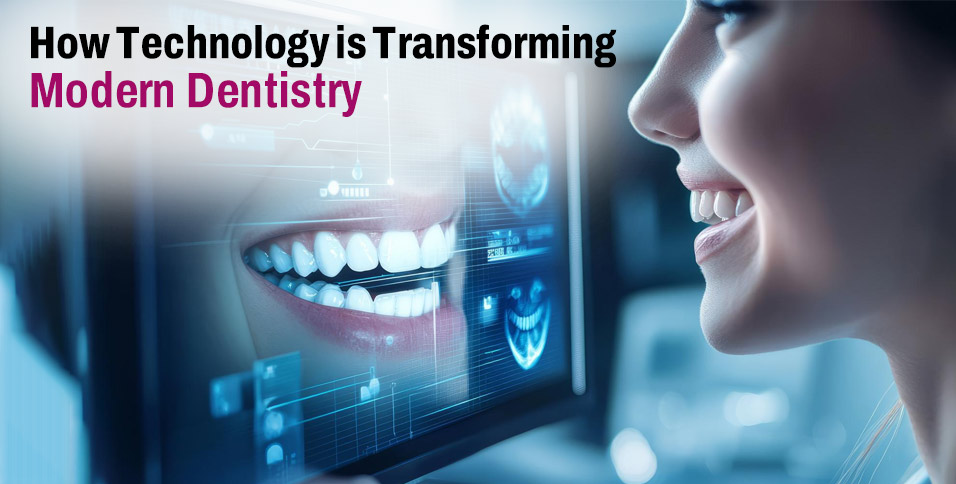
Introduction to the Digital Era in Dentistry
The world of dentistry has come a long way from the days of manual impressions, painful drilling, and long treatment processes. Today, the integration of advanced technology has revolutionized dental care, making it faster, more comfortable, and highly precise. Patients no longer see dentistry as just a medical necessity—it’s now about convenience, aesthetics, and personalized results.
Technology is not only making procedures less invasive but also enhancing accuracy. For instance, digital imaging offers detailed insights that were once impossible with traditional X-rays. Similarly, 3D printing and CAD/CAM technology have opened doors for same-day crowns and restorations, drastically cutting down treatment time.
As modern patients seek both functional and cosmetic improvements, dentists are relying more on digital innovations to meet these expectations. Whether it’s a routine check-up, orthodontic treatment, or cosmetic transformation, technology is shaping the way care is delivered.
Digital Imaging and 3D Scanning
Benefits of digital X-rays over traditional imaging
Digital imaging has replaced film-based X-rays in most modern clinics. The difference lies not just in speed but also in accuracy. Digital X-rays produce clearer images that allow dentists to detect cavities, infections, and bone loss much earlier. The reduced radiation exposure is another significant benefit, making them safer for patients.
The role of intraoral scanners in precision dentistry
Intraoral scanners are redefining the way impressions are taken. Gone are the days of messy molds that left patients gagging in the chair. With a handheld scanner, dentists can create a detailed 3D model of the patient’s mouth in minutes. This model is then used for designing crowns, aligners, and other restorations.
This advancement improves comfort for patients while also ensuring that the fit of dental appliances is more accurate. For cosmetic treatments, it enables precise planning, giving patients a visual preview of their results before treatment even begins.
CAD/CAM Technology in Restorative Dentistry
How CAD/CAM enhances speed and accuracy
Computer-Aided Design (CAD) and Computer-Aided Manufacturing (CAM) have transformed restorative dentistry. Dentists can now digitally design crowns, bridges, inlays, and veneers, which are then milled with high precision using advanced machines. This eliminates the long waiting period traditionally associated with lab-made restorations.
Same-day crowns and custom restorations
One of the biggest advantages of CAD/CAM is same-day dentistry. Patients who once had to wait weeks for a crown can now walk into the clinic and leave with a perfectly fitted restoration within hours. This efficiency reduces multiple visits and enhances patient satisfaction.
Furthermore, the durability and aesthetics of CAD/CAM restorations are outstanding. They are designed to match the natural tooth structure in both shape and color, ensuring seamless results. For patients seeking high-end cosmetic solutions like custom veneers in Tustin, this technology ensures a perfect fit and natural appearance.
Laser Dentistry Advancements
Minimally invasive treatments with lasers
Lasers are revolutionizing dental procedures by offering a minimally invasive alternative to traditional drills and scalpels. They use focused light energy to cut or reshape tissue with incredible precision, reducing discomfort and healing time.
Applications in gum reshaping, whitening, and cavity removal
Laser dentistry has multiple applications. It’s widely used for cosmetic gum contouring, giving patients a more symmetrical smile. In whitening procedures, lasers activate bleaching agents, speeding up results. They’re also highly effective in cavity treatment, as they can remove decayed tissue without the noise and vibration of drills, making the experience far more comfortable for patients.
The Rise of Teledentistry
Remote consultations and monitoring
With the rise of digital communication tools, dentistry has embraced virtual care. Teledentistry allows patients to consult with dentists remotely, share images of dental concerns, and receive preliminary advice without stepping into a clinic.
Expanding access to dental care
This innovation has been particularly beneficial for patients in remote areas who may not have easy access to dental offices. It also saves time for busy individuals who prefer initial consultations online before committing to in-person treatments.
For dentists, teledentistry provides an opportunity to expand their reach and improve patient engagement, ensuring that even minor issues are addressed before they escalate.
3D Printing in Dentistry
Custom aligners, dentures, and implants
3D printing has become one of the most revolutionary tools in modern dentistry. With the ability to print dental models, aligners, surgical guides, dentures, and even implant components, it’s cutting down both time and cost. Dentists can now create highly customized appliances tailored to a patient’s unique dental structure.
This not only improves accuracy but also reduces turnaround times. For orthodontic patients, 3D printing is the backbone of clear aligner systems. Each aligner is printed to exact specifications, ensuring teeth shift gradually and safely.
Cost-effectiveness and patient benefits
3D-printed solutions are often more affordable because they eliminate the need for third-party labs. Patients benefit from quicker treatment and better-fitting restorations. Plus, the reduced material waste makes 3D printing a sustainable approach to modern dentistry.
Artificial Intelligence in Diagnosis and Treatment Planning
AI for early detection of oral diseases
Artificial Intelligence (AI) is enabling dentists to detect oral health problems at earlier stages than ever before. Machine-learning algorithms can analyze radiographs and intraoral scans to identify cavities, gum disease, and even early signs of oral cancer.
AI-driven orthodontic planning and smile design
In orthodontics, AI assists in predicting how teeth will move and how long treatments will take. This allows an orthodontist offering Invisalign to create highly personalized treatment plans with better accuracy. Similarly, cosmetic dentists use AI-powered software for digital smile design, giving patients a clear visual of their potential results before committing to treatment.
Orthodontic Innovations with Clear Aligners
How technology powers Invisalign’s success
Clear aligners like Invisalign rely heavily on digital scanning and 3D printing. Unlike traditional braces, which use brackets and wires, Invisalign uses a series of clear trays that guide teeth into position. These trays are designed using advanced algorithms that predict tooth movement, ensuring a safe and efficient process.
The digital component doesn’t just make the process more predictable—it also improves patient compliance. Being nearly invisible, Invisalign appeals to professionals and teens alike, helping them achieve straighter smiles without the social stigma of metal braces.
The role of an orthodontist offering Invisalign in modern care
While the technology is impressive, its effectiveness largely depends on the expertise of the provider. An orthodontist offering Invisalign combines clinical experience with advanced tools to deliver the best results. This ensures patients don’t just get straighter teeth but also improved bite function and long-term oral health.
Cosmetic Dentistry and Digital Smile Design
Advanced smile simulations for patients
Cosmetic dentistry has always been about aesthetics, but with digital smile design, patients can now preview their results before starting treatment. High-resolution imaging and simulation software create a “trial smile,” allowing patients to see how veneers, crowns, or whitening will transform their look.
The growing demand for custom veneers in Tustin
In areas like Tustin, the demand for advanced cosmetic procedures is rising. Many patients want a Hollywood-style smile makeover, which is why custom veneers in Tustin are becoming increasingly popular. These veneers are digitally designed to match the patient’s facial structure, ensuring a natural and attractive look.
By combining digital design with precise fabrication methods, cosmetic dentists can provide veneers that look authentic, fit perfectly, and last longer.