In an era of visual noise and digital overwhelm, something profound is happening in the world of luxury and style. The most discerning consumers are turning away from ostentatious displays of wealth, embracing instead a philosophy where less truly means more. Minimalist accessories have emerged as the ultimate status symbol for those who understand that true luxury lies not in excess, but in restraint, quality, and intentional curation.
This shift represents more than a passing trend—it’s a fundamental reimagining of what it means to signal success, taste, and sophistication. While flashy logos and excessive ornamentation once dominated the luxury landscape, today’s style conscious individuals are gravitating toward pieces that whisper rather than shout, that elevate through subtlety rather than overwhelm through abundance.
The Psychology Behind Minimalist Luxury
The appeal of minimalist accessories stems from our collective fatigue with maximalism. In a world saturated with information, brands, and visual stimuli, the human psyche craves simplicity and calm. Minimalist accessories provide exactly this—they offer visual respite while still serving as markers of refined taste and economic capability.
This psychological shift reflects a deeper understanding of confidence and self-assurance. Those who choose minimalist accessories demonstrate that they don’t need loud statements to command attention or respect. Instead, they rely on quality, craftsmanship, and subtle design elements that speak to those who truly understand luxury. It’s the difference between nouveau riche ostentation and old money restraint—a distinction that carries significant social currency in contemporary culture.
Moreover, minimalist accessories align with the growing emphasis on mindfulness and intentional living. They represent conscious consumption, where each piece is carefully selected for its purpose, quality, and longevity rather than its ability to make an immediate impression. This approach resonates with individuals who view their possessions as extensions of their values and identity.
Timeless Watches: The Cornerstone of Minimalist Status
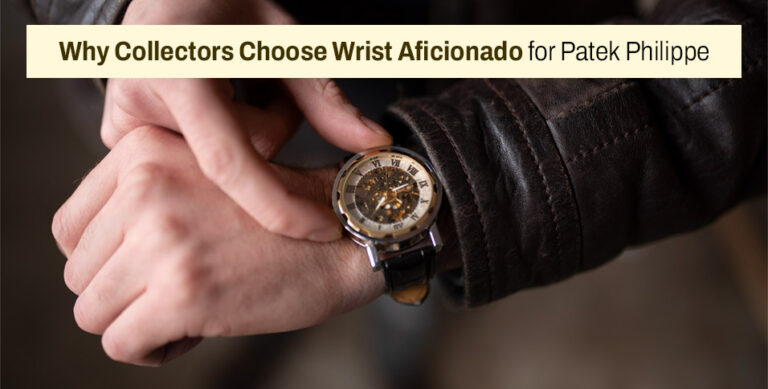
In the realm of minimalist accessories, watches occupy a particularly prestigious position. The finest examples abandon complications, flashy bezels, and unnecessary embellishments in favor of clean lines, exceptional movements, and understated elegance. Brands like A. Lange & Söhne, Vacheron Constantin, and Patek Philippe have mastered this art, creating timepieces that are immediately recognizable to connoisseurs while remaining virtually invisible to the uninitiated.
These watches serve as perfect examples of minimalist luxury’s core principle: the more you know, the more you appreciate. A simple white dial with elegant hands might appear unremarkable to casual observers, but enthusiasts recognize the thousands of hours of craftsmanship, the precision of the movement, and the heritage of the manufacturer. This insider knowledge creates an exclusive club of appreciation that no amount of flashy decoration could replicate.
The minimalist watch movement has also embraced sustainable luxury, with manufacturers focusing on creating pieces designed to last generations rather than following seasonal trends. This longevity adds another layer to their status symbol appeal—they represent not just current wealth, but inherited taste and values.
Jewelry’s Quiet Revolution
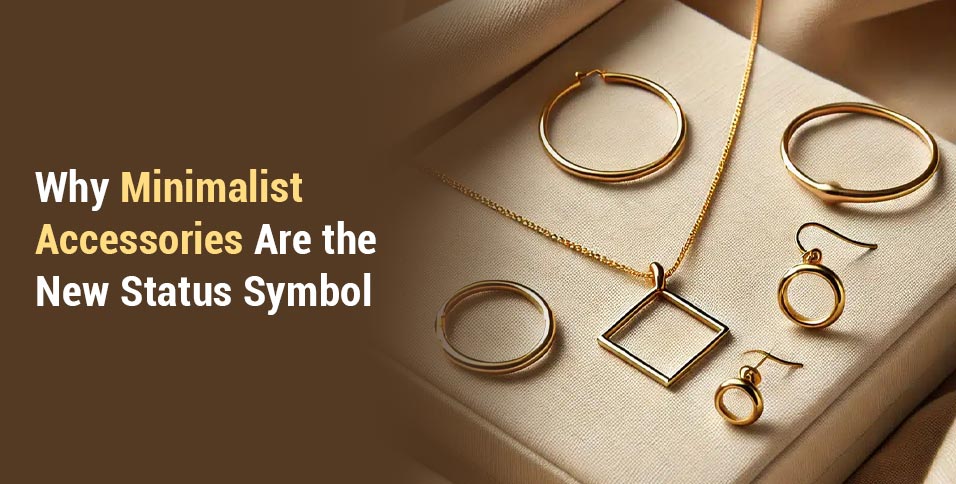
Fine jewelry has undergone its own minimalist transformation, with discerning consumers gravitating toward pieces that prioritize exceptional stones, perfect proportions, and flawless execution over elaborate settings and excessive decoration. The result is jewelry that appears deceptively simple but requires extraordinary skill and resources to create.
Consider the difference between a tennis bracelet featuring perfectly matched diamonds in a seamless setting versus a heavily decorated piece with mixed stones and ornate metalwork. The former requires greater investment in stone quality and precision craftsmanship, while the latter can hide imperfections through complexity. Knowledgeable consumers recognize this distinction, making minimalist jewelry a more exclusive and respected choice.
This trend extends to engagement rings, where the traditional elaborate settings are giving way to simple solitaires that showcase exceptional center stones, and to everyday pieces where geometric shapes and clean lines have replaced ornate vintage reproductions. The emphasis has shifted from decoration to perfection—a far more challenging and expensive proposition.
The Art of Minimalist Bags and Leather Goods
Luxury handbags and leather accessories have embraced minimalism with remarkable sophistication, creating pieces that rely entirely on material quality, construction excellence, and subtle design details. Without logos, hardware, or decorative elements to distract, every aspect of these accessories must be perfect—from the leather grain to the stitching precision.
Brands like Bottega Veneta have built entire reputations on this philosophy, creating instantly recognizable pieces through signature techniques rather than obvious branding. Their intrecciato weave becomes a mark of quality and taste that’s immediately apparent to those in the know, while remaining subtle enough to avoid appearing ostentatious.
This approach has created a new category of stealth wealth accessories—pieces that signal luxury through quality and craftsmanship rather than brand recognition. The result is accessories that appreciate in value over time, both financially and socially, as their quality becomes more apparent with age and use.
Hair Accessories: The Subtle Power Players
Among the most overlooked yet impactful minimalist accessories are those designed for hair. The right hair clip can transform an entire look while remaining virtually invisible, representing the ultimate achievement in minimalist design—maximum impact with minimum presence. This category has evolved dramatically from purely functional items to sophisticated accessories that rival jewelry in their attention to detail and luxury materials.
Modern hair clips for women have embraced this minimalist philosophy, with designers creating pieces that prioritize perfect proportions, exceptional materials, and flawless functionality. The best examples disappear into the hair while providing reliable hold and subtle elegance. This category represents minimalism at its most practical—accessories that must work perfectly while enhancing natural beauty rather than competing with it.
Ladies hair clips from premium brands like ReverieHair.co.uk exemplify this approach, creating pieces that combine precious metals, carefully selected materials, and refined design elements to produce accessories that function as both practical tools and luxury objects. These accessories demonstrate how minimalist design can elevate even the most functional items into symbols of refined taste and quality appreciation.
The sophistication of contemporary hair accessories reflects broader trends in minimalist luxury, where the most successful pieces combine exceptional functionality with subtle beauty. They represent the ultimate insider accessory—visible primarily to the wearer and those close enough to appreciate their quality and design.
The Economics of Minimalist Status
Paradoxically, minimalist accessories often cost more than their ornate counterparts, not less. This counterintuitive pricing structure adds to their appeal as status symbols, as they represent a form of luxury that’s accessible only to those who can afford to pay premium prices for apparent simplicity. The economics of minimalist luxury are based on several factors that drive costs higher than traditional ornate pieces.
First, minimalist design leaves no room for imperfection. Every element must be flawless, as there are no decorative elements to disguise flaws or distract attention. This requirement for perfection drives up manufacturing costs significantly, as rejection rates increase and production time extends. Second, the materials must be exceptional, as they become the primary focus of the piece rather than supporting players in a more complex composition.
Additionally, the research and development costs for minimalist accessories are often higher than for traditional pieces. Creating something that appears simple while functioning perfectly requires extensive engineering and design work. The final result may look effortless, but achieving that effortlessness demands considerable investment in development and refinement.
Cultural Shifts and Social Signaling
The rise of minimalist accessories as status symbols reflects broader cultural shifts toward sustainability, mindfulness, and authentic luxury. Younger generations of luxury consumers are increasingly skeptical of obvious displays of wealth, preferring subtle signals that demonstrate their values align with conscious consumption and quality appreciation.
This shift has created new forms of social signaling that operate on multiple levels. To the general public, minimalist accessories may appear modest or understated. To peers and those familiar with luxury goods, they signal sophisticated taste and significant purchasing power. To the cognoscenti, they represent membership in an exclusive club of individuals who understand that the most expensive and desirable luxury goods are often the most subtle.
The cultural implications extend beyond individual preference to encompass broader questions about wealth display in contemporary society. As income inequality becomes more visible and socially conscious consumption gains importance, minimalist luxury offers a way to enjoy premium goods while avoiding the social complications of obvious wealth display.
The Future of Understated Elegance
Looking ahead, the trend toward minimalist accessories shows no signs of slowing. If anything, it appears to be accelerating as more consumers discover the satisfaction of owning fewer, better things. This shift is supported by growing awareness of environmental issues, increased appreciation for craftsmanship, and a generational change in attitudes toward luxury consumption.
The most successful accessory brands are those that have embraced this philosophy completely, creating pieces that improve with age and use rather than showing wear. They understand that minimalist luxury is not about creating perfect objects for display, but about crafting tools for living that become more beautiful and meaningful over time.
This evolution represents a maturation of luxury consumption, where the emphasis shifts from acquisition to appreciation, from quantity to quality, and from display to personal satisfaction. In this context, minimalist accessories are not just status symbols—they’re statements of values, indicators of sophistication, and investments in a more thoughtful approach to luxury living. The quiet revolution in accessory design continues to reshape our understanding of what it means to own and display luxury in the modern world.
Also Read: Effortless Style: How to Transition Your Wardrobe from Summer to Fall