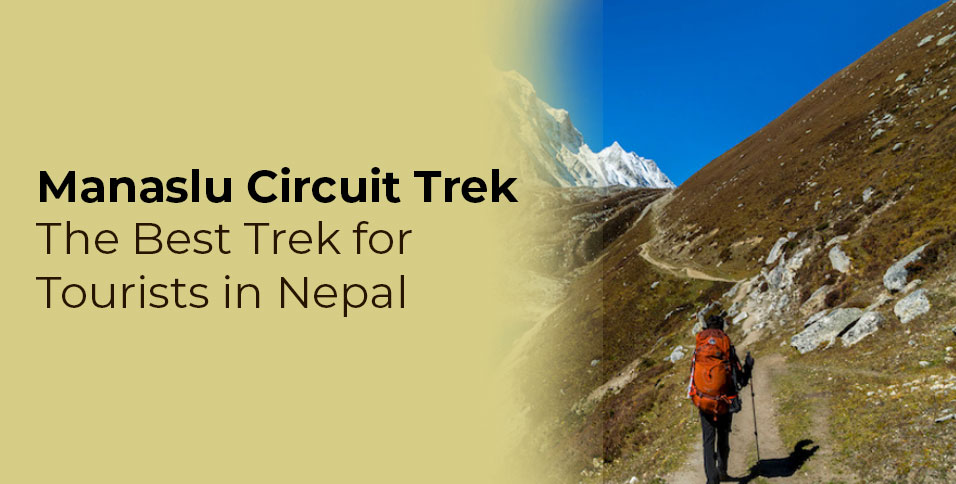
Nestled in the remote northwestern part of Nepal, the Manaslu Circuit Trek is one of the best-kept secrets in the Himalayas. Unlike the crowded and well-known trails like Everest Base Camp or the Annapurna Circuit, Manaslu offers a peaceful trekking experience that feels truly untouched. It takes you through quiet villages, deep valleys, high mountain passes, and breathtaking landscapes. With Mount Manaslu—Nepal’s eighth-highest peak—towering above, the trek offers a close connection to nature and the majestic Himalayan scenery without the usual tourist crowds.
What makes the Manaslu Circuit so special is not just its beauty, but also its culture. The trail passes through traditional villages where people still live much like their ancestors did. You’ll get a chance to see ancient monasteries, colorful prayer flags, and fields of barley, while learning about the rich Tibetan-influenced customs of the locals. The warm hospitality from the villagers and the unique cultural encounters along the way make this trek more than just a physical journey—it becomes a cultural adventure as well.
Where Is Manaslu?
Mount Manaslu is the eighth-highest mountain in the world, standing at 8,163 meters. It is located in the Gorkha District of Nepal. The trek that circles around this massive mountain is known as the Manaslu Circuit Trek.
This trail takes you through many different landscapes. You’ll start in warm, green areas with forests and small farms, and as you go higher, you’ll walk through cold, rocky mountain paths with snow-covered peaks. Along the way, you’ll also pass through remote villages in the Nubri and Tsum Valleys, where people live simple lives influenced by Tibetan culture.
Trekking here gives you a special chance to see how people live in these high mountain areas and enjoy the natural beauty that changes every day as you climb higher.
Unique Selling Points of the Manaslu Circuit
- Fewer trekkers—perfect for solitude seekers
- Culturally immersive—Tibetan Buddhist influence is strong here
- Biodiversity hotspot within the Manaslu Conservation Area
- Spectacular views of Manaslu, Himalchuli, Ganesh Himal, and Annapurna ranges
Permits and Requirements Required For Manaslu Circuit Trek
Mandatory Permits
- Manaslu Restricted Area Permit (RAP): USD 100 for the first 7 days (Sept–Nov); USD 75 rest of the year
- Manaslu Conservation Area Permit (MCAP): USD 30
- Annapurna Conservation Area Permit (ACAP): USD 30
- TIMS Card is not required
Note: You must hire a registered guide and be part of a group of at least two trekkers to enter the restricted zone.
Altitude and Acclimatization of Manaslu Circuit Trek
As you trek the Manaslu Circuit, you’ll go through big changes in altitude. The journey starts at Soti Khola, which is about 700 meters above sea level. As you climb higher, you’ll reach Samagaon at 3,530 meters, a good place to rest and get used to the thin air. The highest point of the trek is Larkya La Pass, which sits at a challenging 5,106 meters. After crossing the pass, you’ll descend to Bimthang, which is at 3,590 meters.
Because of these high elevations, it’s important to take time to acclimatize, or let your body adjust to the altitude. Plan to take 1 or 2 rest days, especially in Samagaon. Drink plenty of water, and follow the rule of climb high, sleep low, which means you can hike to a higher spot during the day but return to a lower altitude to sleep. Always talk to your guide if you start feeling dizzy, have a headache, or feel unwell, as these can be signs of altitude sickness. Staying safe and giving your body time to adjust will make your trek much more enjoyable.
Best Time to Trek the Manaslu Circuit
Spring (March–May):
Spring is a beautiful time to do the Manaslu Circuit Trek. During this season, colorful rhododendrons bloom along the trail, adding vibrant beauty to the forests. The skies are usually clear, and the weather is mild, making it comfortable for trekking. The number of trekkers is moderate, so you’ll meet some fellow travelers but still enjoy peace and quiet on the trail.
Autumn (September–November):
Autumn is the best time to trek in the Manaslu region. The weather is stable, the skies are crystal-clear, and you get the best views of the mountains. This is also the most popular season, so expect to see more trekkers on the trail and in teahouses. It’s ideal for those who want perfect trekking conditions and stunning scenery.
Off-Seasons (Monsoon and Winter):
Trekking in the monsoon (June–August) or winter (December–February) is more difficult and only suitable for experienced trekkers. In the monsoon, heavy rain can cause landslides, slippery trails, and poor visibility. During winter, the trail can be blocked by heavy snow, especially at Larkya La Pass. Fewer teahouses are open, so services are limited, and weather conditions can be harsh.
Culture and Local Life on the Trail
People and Religion:
The Manaslu region is home to communities that mainly follow Tibetan Buddhism. As you walk through the villages, you’ll notice colorful prayer flags, mani walls, and stone chortens, all of which reflect their deep spiritual beliefs. Along the trail, you’ll also come across peaceful and historic monasteries like Pungyen Gompa and Ribung Gompa, which add a spiritual and cultural charm to the trek. The local people are known for their warm hospitality, and the teahouses along the route offer a friendly and welcoming place to rest and eat.
Festivals to Watch For:
If you happen to trek during the right time, you might witness vibrant local festivals. One of the most important is Lhosar, the Tibetan New Year, which is celebrated with singing, dancing, and family gatherings. Another exciting event is Yartung, a horse racing festival that brings together villagers for friendly competition and traditional celebrations. These festivals give trekkers a rare chance to experience the local culture up close.
Local Foods:
During the trek, you’ll enjoy simple yet filling meals that keep you energized for the journey. The most common dish is Dal Bhat, a traditional Nepali meal of lentil soup, rice, and vegetables. You might also try Tsampa, which is roasted barley flour often mixed with butter tea. Another local favorite is Thukpa, a hot noodle soup made with vegetables or meat that’s perfect for cold mountain evenings. These foods reflect the local lifestyle and are a big part of the trekking experience.
Challenges and Preparation for Manaslu Trek
Physical Difficulty:
The Manaslu Circuit Trek is considered moderate to strenuous, so it’s best suited for trekkers with a good level of fitness. Each day, you’ll be walking for around 6 to 8 hours on trails that go up and down through forests, rivers, and rocky paths. The most challenging part of the trek is crossing the Larkya La Pass, which is at 5,106 meters. This section is steep, long, and can be icy or windy, so it requires both strength and stamina.
Training Tips:
To prepare for this trek, you should start training a few weeks or months in advance. Focus on cardiovascular workouts like running, swimming, cycling, or stair climbing to build your endurance. It’s also helpful to do strength training, especially for your legs and core, since you’ll be carrying a backpack and walking on uneven terrain. If possible, do some practice hikes with a loaded backpack to get used to long hours of walking and build up your comfort level on trails.
Essential Gear Checklist:
Bringing the right gear is important for a safe and comfortable trek. Wear good-quality hiking boots that are already broken in to avoid blisters. A warm down jacket and a sleeping bag rated for at least -10°C are a must, especially at high altitudes. Dress in layers to stay warm and add or remove clothing easily as temperatures change. Also pack rain gear to stay dry in case of bad weather. Trekking poles will help you stay balanced on steep or slippery paths, and water purification tablets are useful so you can safely drink water from local sources.
Environmental Impact and Responsible Trekking
Trekking in the Manaslu region offers a chance to enjoy nature at its best, but it’s important to do so responsibly. To minimize environmental impact, trekkers should carry reusable water bottles instead of buying plastic ones and avoid using plastic or non-biodegradable items that can harm the ecosystem. Following the principle of “leave no trace” means taking all your trash with you and leaving nature exactly as you found it. It’s also important to respect local customs, dress modestly, and behave politely in villages and religious sites. Supporting the local economy is another key part of responsible trekking—hire local guides and porters, stay in community-run teahouses, and buy handmade crafts when possible. These actions not only help preserve the environment but also support the people who make the trek possible.
Is Manaslu Circuit the Best Trek in Nepal?
If you crave an off-the-beaten-path experience rich in natural grandeur and cultural depth, the Manaslu Circuit Trek is unquestionably the best trek for tourists in Nepal. With its pristine trails, affordability, and adventure-packed itinerary, it strikes the perfect balance between challenge and reward.If you want to learn more about how much the Manaslu circuit trek cost please visit the Magical Nepal website
Also Read: Embarking on an Adventure: Everest Base Camp Trek vs. Manaslu Circuit Trek