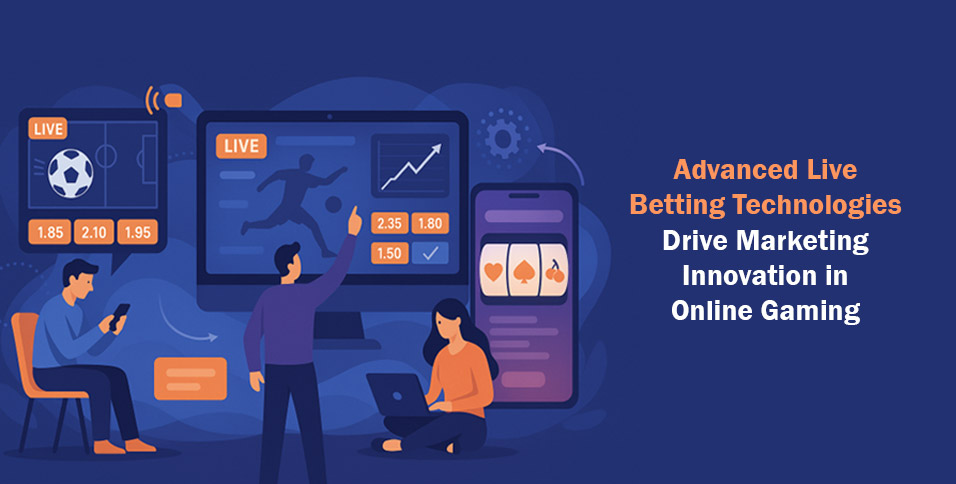
The live betting sector has evolved into one of the most dynamic segments of online gaming, generating over $24 billion in global revenue as technology advances enable unprecedented real-time engagement. Modern platforms are implementing sophisticated systems that process thousands of data points per second, creating immersive experiences that bet live enthusiasts demand.
These technological innovations are reshaping how operators approach digital marketing, user acquisition, and platform security in an increasingly competitive marketplace. The convergence of streaming technology, artificial intelligence, and mobile optimization has created new opportunities for customer acquisition while presenting complex challenges for platform operators seeking sustainable growth.
Real-Time Data Processing and User Experience
Live betting platforms require robust technological infrastructure to deliver seamless experiences across multiple channels. Modern systems utilize advanced APIs that process real-time sports data, odds calculations, and user interactions with minimal latency, typically under 100 milliseconds for optimal performance. This technological foundation directly impacts user satisfaction and conversion rates across all marketing funnels.
The technical architecture involves several critical components that ensure smooth operation during peak traffic periods:
- Event Stream Processing: Real-time data feeds from sports venues require sophisticated parsing algorithms that can handle multiple concurrent events
- Dynamic Odds Calculation: Machine learning models adjust pricing based on betting volume, event developments, and market sentiment analysis
- Mobile Optimization: Responsive design frameworks ensure consistent functionality across devices while maintaining fast loading speeds
- Push Notification Systems: Targeted alerts about odds changes and betting opportunities delivered through multiple channels
Advanced platforms integrate streaming technology directly into their betting interfaces, allowing users to watch events while placing wagers. This creates higher engagement rates and increased session duration, with data showing that integrated streaming can improve user retention by up to 40% compared to traditional betting formats. The integration also reduces customer acquisition costs by providing immediate value to new users during their first platform experience.
Load balancing and server optimization become crucial during peak events like major sporting championships or popular esports tournaments. Successful platforms employ content delivery networks (CDNs) and distributed server architectures to handle traffic spikes that can exceed normal volumes by 500-800% during popular events. These systems must maintain functionality while processing thousands of simultaneous bets and odds updates without compromising user experience quality.
Performance monitoring involves real-time analytics dashboards that track server response times, user engagement metrics, and conversion funnel performance. Platform operators utilize this data to optimize marketing campaigns and identify technical bottlenecks before they impact user experience or revenue generation.
Marketing Strategies for Live Betting Platforms
Digital marketing for live betting requires sophisticated approaches that leverage real-time data and behavioral analytics to maximize return on advertising spend. Modern operators utilize advanced customer relationship management (CRM) systems integrated with predictive analytics to identify high-value prospects and optimize conversion funnels across multiple touchpoints.
Successful marketing campaigns focus on several key strategies that maximize user acquisition and retention while maintaining healthy customer acquisition costs:
Micro-Moment Marketing: Targeting users during specific events or game situations when engagement peaks, utilizing social media monitoring and trend analysis to identify optimal promotional timing. This approach can improve conversion rates by 35-45% compared to traditional scheduled campaigns.
Personalized Bonus Structures: Dynamic offer systems that adjust promotional content based on user behavior, betting history, and preferred sports or markets, increasing conversion rates significantly while reducing bonus abuse and improving user lifetime value.
Influencer Partnerships: Collaborations with sports personalities and content creators who can demonstrate platform features during live events, providing authentic testimonials and expanding reach within target demographics through trusted sources.
Cross-Platform Integration: Coordinated campaigns across multiple channels including social media, email marketing, and affiliate networks, with consistent messaging adapted for each platform’s unique characteristics and audience behavior patterns.
Retargeting Campaigns: Advanced pixel tracking and user journey mapping enable precise retargeting of users who showed interest but didn’t complete registration or first deposit, with customized messaging based on their specific drop-off points.
According to recent industry analysis from Deloitte, effective live betting marketing campaigns achieve 25-30% higher customer lifetime value compared to traditional online casino marketing approaches, primarily due to increased user engagement and session frequency. This improvement stems from the immediate gratification and continuous engagement opportunities that live betting provides.
Security Challenges in Live Gaming Environments
Live betting platforms face unique security challenges that require specialized solutions beyond standard online casino protections. Real-time transaction processing, multiple payment methods, and high-frequency data exchanges create numerous potential vulnerabilities that malicious actors may attempt to exploit during high-stakes events or promotional periods.
Critical security considerations include comprehensive protection across multiple attack vectors:
- API Security: Protecting real-time data feeds from manipulation or unauthorized access through encryption and authentication protocols
- Transaction Integrity: Ensuring bet placement and settlement accuracy under high-load conditions with redundant verification systems
- User Authentication: Multi-factor verification systems that don’t compromise user experience while preventing account takeovers
- Fraud Detection: Machine learning algorithms that identify suspicious betting patterns, coordinated attacks, and bonus abuse instantly
Modern platforms implement advanced encryption protocols and behavioral analysis systems that monitor user actions for anomalies without creating friction for legitimate users. These systems can detect coordinated betting attacks, account takeovers, and bonus abuse attempts within seconds of occurrence while maintaining seamless user experience for genuine customers.
DDoS protection becomes particularly important during major sporting events when attackers may attempt to disrupt services during peak betting periods to gain competitive advantages or cause reputational damage. Leading platforms utilize multi-layered defense systems including traffic filtering, rate limiting, and geographic blocking to maintain service availability during targeted attacks.
Compliance and regulatory requirements vary significantly across jurisdictions, requiring platforms to implement flexible security frameworks that can adapt to different legal requirements while maintaining operational efficiency. This includes data protection protocols, audit trails, and reporting systems that satisfy regulatory oversight.
The integration of blockchain technology is emerging as a solution for transparency and trust issues, with research from MIT indicating that blockchain-based verification systems can reduce dispute resolution time by 60% while increasing user confidence in platform fairness and outcome integrity.
Future Trends and Implementation Strategies
The live betting industry continues evolving rapidly, with emerging technologies creating new opportunities for platform differentiation and user engagement while presenting implementation challenges for operators. Artificial intelligence and machine learning applications are becoming standard features rather than competitive advantages, requiring continuous innovation to maintain market position.
Key implementation priorities for modern operators include strategic technology adoption:
- Voice-Activated Betting: Integration with smart speakers and voice assistants for hands-free wagering during live events
- Augmented Reality Features: Overlay betting information on live video feeds for enhanced user experience and improved decision-making
- Predictive Analytics: Advanced modeling that anticipates user preferences and suggests optimal betting opportunities based on historical patterns
- Social Integration: Community features that allow users to share bets, follow successful players, and participate in group wagering experiences