Construction projects are inherently risky. A single accident, property damage incident, or injury on your job site can lead to expensive claims that may jeopardize your business’s financial health. That’s why liability insurance isn’t just a recommendation—it’s a crucial line of defense for any contractor in today’s competitive and litigious environment.
Liability insurance acts as a financial buffer, protecting your business from the unforeseen costs of lawsuits, third-party property damage, and bodily injury claims. For contractors across Canada’s diverse construction sectors, having the right insurance coverage in place ensures you can focus on delivering quality work without exposing your business to unnecessary risk.
This guide will walk you through everything you need to know about liability insurance for contractors, from the various types of coverage available to how to choose a policy that fits your operations. For expert support in finding the right protection, St. Andrews Insurance helps contractors stay protected from costly claims.
Why Contractors Need Liability Insurance
The construction industry faces unique liability challenges that other businesses rarely encounter. Every day, contractors work with heavy machinery, hazardous materials, and complex structures while managing multiple subcontractors and interacting with property owners. Each of these elements introduces potential liability exposures that could result in costly claims.
Legal and Financial Protection
When accidents happen on job sites, the financial consequences can be severe. Medical bills for injured workers or third parties, property repair costs, and legal fees can quickly escalate into six-figure expenses. Liability insurance provides crucial protection by covering these costs, preventing them from coming directly out of your business assets or personal finances.
Client and Contract Requirements
Most commercial clients and general contractors require proof of liability insurance before awarding contracts. This requirement isn’t just about risk management—it’s about demonstrating professionalism and financial responsibility. Many contracts specify minimum coverage amounts, and failing to maintain adequate insurance can result in contract termination or legal action.
Regulatory Compliance
Various provincial and municipal regulations require contractors to carry specific types and amounts of liability insurance. These requirements vary by location and project type, but non-compliance can result in fines, work stoppages, or the inability to obtain necessary permits and licenses.
Types of Liability Insurance for Contractors
Understanding the different types of liability insurance available helps contractors build comprehensive protection strategies tailored to their specific risks and operations.
General Liability Insurance
General liability insurance forms the foundation of most contractors’ insurance programs. This coverage protects against claims involving bodily injury, property damage, and personal injury that occur during normal business operations. For contractors, this might include situations where a client trips over construction materials, scaffolding damages a neighbour’s property, or dust from demolition work causes respiratory issues for nearby residents.
The coverage extends beyond just physical incidents. General liability insurance also protects against advertising injury claims, such as accusations of copyright infringement in marketing materials or defamation in business communications.
Professional Liability Insurance
Professional liability insurance, also known as errors and omissions (E&O) insurance, protects contractors from claims related to professional services and advice. This coverage becomes particularly important for contractors who provide design services, project management, or consulting in addition to construction work.
Claims under professional liability policies often stem from design errors, failure to meet project specifications, or inadequate supervision that results in project delays or cost overruns. The coverage helps pay for legal defence costs and settlements when clients allege that professional negligence caused financial losses.
Product Liability Insurance
Contractors who manufacture, install, or supply products as part of their services face potential product liability claims. This coverage protects against allegations that defective products caused injury or property damage. For example, if custom-built cabinetry collapses due to a design flaw, or if installed roofing materials fail prematurely and cause water damage, product liability insurance would respond to resulting claims.
Commercial Auto Liability
Most contractors operate vehicles and equipment that travel between job sites. Commercial auto liability insurance provides protection for accidents involving company vehicles, trailers, and mobile equipment. This coverage is typically required by law and extends beyond personal auto insurance to account for the higher risks associated with commercial vehicle operation.
Factors Affecting the Cost of Liability Insurance
Several key factors influence liability insurance premiums for contractors, and understanding these variables can help business owners make informed decisions about coverage and cost management.
Business Size and Revenue
Insurance companies typically base premiums on annual revenue, number of employees, and overall business size. Larger operations generally face higher premiums due to increased exposure, but they may also benefit from better rates due to economies of scale and more sophisticated risk management practices.
Type of Construction Work
Different construction activities carry varying levels of risk. Residential remodeling contractors typically pay lower premiums than those specializing in high-rise construction or industrial projects. Roofing contractors, demolition specialists, and those working with hazardous materials often face higher insurance costs due to the inherent dangers associated with their work.
Geographic Location
Insurance costs vary significantly by province and region. Areas with higher construction activity, more frequent severe weather, or greater litigation rates often have higher insurance premiums. Urban contractors may face different risks than rural operators, affecting their insurance pricing.
Claims History
A contractor’s claims history significantly impacts insurance costs. Companies with frequent or severe claims typically face higher premiums, while those with clean records may qualify for discounts. This factor emphasizes the importance of maintaining strong safety programs and risk management practices.
Coverage Limits and Deductibles
Higher coverage limits result in higher premiums, but they also provide greater protection. Conversely, choosing higher deductibles can reduce premium costs but increases out-of-pocket expenses when claims occur. Finding the right balance depends on your risk tolerance and financial capacity.
How to Choose the Right Liability Insurance
Selecting appropriate liability insurance requires careful consideration of your specific business needs, risks, and financial situation. The process involves more than simply comparing prices—it requires understanding coverage nuances and ensuring adequate protection for your unique circumstances.
Assess Your Risk Exposure
Start by conducting a thorough risk assessment of your operations. Consider the types of projects you undertake, the locations where you work, the subcontractors you employ, and the potential severity of claims you might face. This assessment helps determine appropriate coverage types and limits.
Understand Policy Terms and Exclusions
Insurance policies contain specific terms, conditions, and exclusions that can significantly impact coverage. Common exclusions might include pollution liability, employment practices claims, or specific types of property damage. Understanding these limitations helps identify additional coverage needs or potential gaps in protection.
Work with Experienced Insurance Professionals
Construction insurance can be complex, and working with agents or brokers who specialize in contractor coverage provides valuable expertise. These professionals understand industry-specific risks and can help navigate policy options, negotiate terms, and ensure adequate protection.
Consider Umbrella Coverage
An umbrella policy provides additional liability protection above your primary insurance limits. This coverage can be cost-effective for contractors who need higher limits due to contract requirements or substantial asset exposure.
Real-Life Examples of Liability Claims
Understanding how liability claims develop in real-world scenarios helps contractors recognize potential risks and appreciate the value of comprehensive insurance coverage.
A residential contractor renovating a kitchen accidentally damaged a gas line, causing a leak that required evacuation of the building and emergency repairs. The resulting property damage claim exceeded $50,000, while business interruption costs for affected tenants added another $25,000 to the total claim.
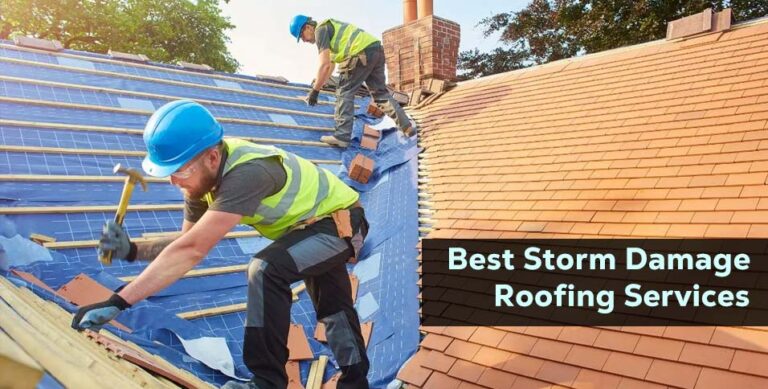
During a commercial roofing project, a contractor’s employee accidentally dropped tools that damaged several vehicles in the parking lot below. The general liability policy covered the property damage claims, but the incident also resulted in a lawsuit from one vehicle owner claiming lost wages due to transportation difficulties.
A contractor providing both construction and design services faced a professional liability claim when structural modifications they recommended proved inadequate. The building owner sued for the cost of remedial work, project delays, and lost rental income during the repair period.
Securing Your Business Future
Liability insurance represents more than just a business expense—it’s an investment in your company’s longevity and stability. The construction industry’s inherent risks make comprehensive liability coverage essential for protecting your assets, reputation, and ability to continue operations.
Regularly reviewing and updating your liability insurance ensures that coverage keeps pace with your business growth and evolving risks. As your operations expand, take on new project types, or enter different markets, your insurance needs may change accordingly.
Remember that the cheapest insurance isn’t always the best value. Focus on finding coverage that provides appropriate protection for your specific risks while working with insurers and agents who understand the construction industry’s unique challenges.
Take action today by reviewing your current liability insurance coverage and identifying any gaps or areas for improvement. Contact a qualified insurance professional to discuss your specific needs and ensure your business has the protection it deserves. Your future success depends on the decisions you make today about protecting what you’ve built.
Also Read: Tips for Communicating with the Insurance Agency After a Crash