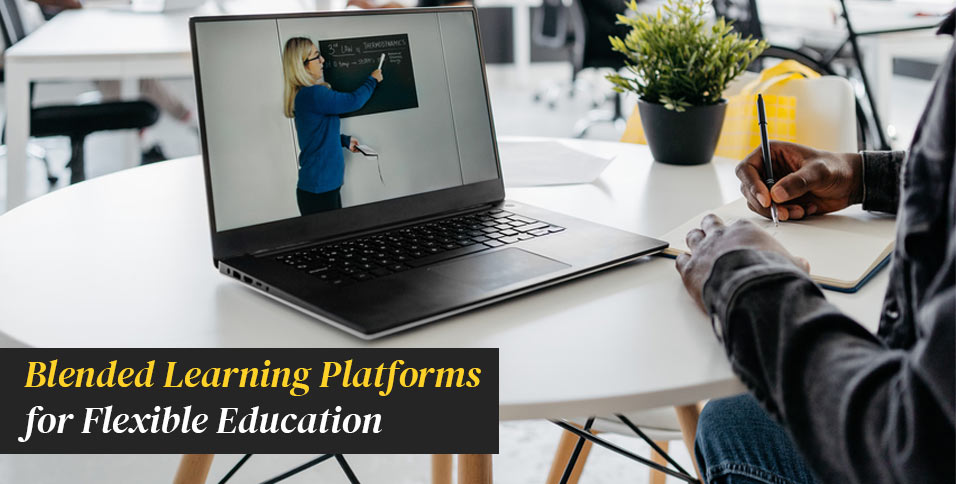
Education has changed a lot through the years, adapting to new technologies and methodologies. Today, one of the prominent approaches is blended learning. This model combines synchronous in-person classroom experiences with asynchronous, individual work to create a flexible, personalized learning experience. In a landscape of changing educational needs, it is necessary to understand the benefits and the drawbacks of this model.
The Concept of Blended Learning
Blended learning combines the best of both worlds—face-to-face instruction with technology access. With this method, students access content in person and online. Utilizing different types of instruction allows teachers to cater to various learning styles. The classroom setting gives students the advantage of feedback when engaging with their instructor, while many online resources allow for self-pacing.
Advantages of Blended Learning
One of the biggest benefits of a blended learning platform is flexibility. Through reading the material on their own time, students can learn at their own pace. Such flexibility proves to be a blessing for people with tight timelines or obligations. Also, blended learning leads to a more interactive learning experience. Digital tools provide interactive content, videos, and quizzes, and can improve the method of making education dynamic.
Another benefit is better student results. By using an abundance of resources, a learner can delve deeper into subjects. Tailored feedback from teachers, combined with digital analytical systems’ specificity in identifying the areas of concern, can lead to greater academic success and motivation.
Challenges and Considerations
Blended learning can be quite beneficial, but it has some challenges, too. The biggest among them is the digital divide. Not all students have access to technology and the Internet. This disparity can undermine the benefits of blended learning, making it essential for schools to give their students the resources they need for success.
Another challenge is teacher training. Educators must adapt to changing technologies and teaching methodologies. In-depth training is important so that teachers are equipped to use digital tools effectively in their lessons.
It’s also a challenge to keep students engaged. For others, without the structure of a classroom, staying motivated might be difficult. Keeping learners engaged will be key to success—develop strategies around this.
Implementing a Blended Learning Platform
A well-planned learning platform is the key to the success of such an implementation. It should be easily usable and available on multiple devices. If you provide them with a seamless experience, they will make the most of whatever resources are available to them. You should also offer communication channels, whether students to students or students to educators.
Content is another critical factor. Using a combination of multimedia resources, interactive elements, and conventional materials can meet diverse learning styles. Updating and improving content regularly ensures the relevancy of the platform.
Assessing student progress is vital. It should include performance tracking and feedback tools. This information can help teachers adapt their lessons and meet each student’s needs.
The Role of Educators
A key group of blended learning facilitators is educators themselves. Journalists need to adjust themselves to technological advances and generate interesting content. It is also important to foster a supportive learning community. Through discussions and collaborations between students, teachers can create a better learning environment.
Further, educators must take initiative to answer challenges. This allows teachers to isolate students who may require further assistance and intercede as needed. Ongoing professional development and training are key to ensuring educators stay current with trends and tools.
Future Prospects of Blended Learning
Bozarth: Blended learning will become a thing. Bolman: Boiling frogs never die well. Artificial intelligence and virtual reality Developments could make education even better. They can help provide immersive and interactive learning experiences to make the learning process more enjoyable.
Institutions need to continue to be flexible, adopt novel technologies while remaining student-centered. This way, they can deliver an education that sets learners up for future success. While Bended learning is trending time to time, it has the capability of transforming the education system and will surface out as the most accessible and effective platform for learning in the future, for one and all.
Conclusion
Blended learning is an adaptive component of the new age education in the Internet era, blending the benefits of traditional educational delivery with those of the digital epoch. Although there are some challenges, strategic planning and execution can provide immense advantages. This model allows for a more customized learning experience, and when educational institutions adopt it, they prepare students for a dynamic environment.
Also Read: Analyzing the Impact of Online Learning Platforms on Plagiarism Trends in Higher Education