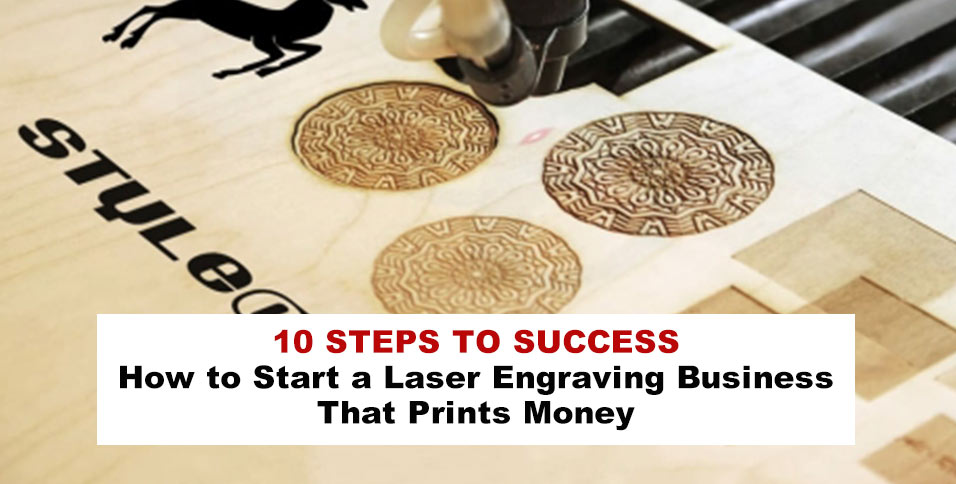
Starting a business is an exciting experience. Many people dream of working for themselves and setting their own schedules. Making money doing something they love is the ultimate dream come true. Of course, being an entrepreneur also comes with several responsibilities, and numerous factors need to be considered before opening your doors, whether they’re physical or virtual, to the public.
One of the main points you need to think about is which field to enter and which products or services to offer customers. A field that has been growing rapidly over the last several years is laser engraving. It involves creating beautiful designs on a variety of materials, like wood, glass, metal, and acrylic. If you’re crafty and creative, you could be creating beautiful jewelry, signage, home decor, and other items for people to enjoy before you know it.
Building Your Own Laser Engraving Business
Whether you want to create a collection of pre-made items for people to choose from, offer made-to-order products, or both, there are customers out there waiting for you. You’ll need to take the right measures to truly make your business work, though. Keep the following 10 steps in mind to start a laser engraving business that’s bound for success.
1) Invest in a Laser Engraver
As you might imagine, the first, and most important, step in building this type of business would be investing in a laser engraver. After all, that’s the tool that will make your entire business work for you. When you’re choosing a machine, consider the types of products you want to create and the media you want to work with. Some machines and types of lasers work better on wood whereas other are geared more toward metal or plastic.
Laser engravers come in different sizes and price ranges. If you’re looking for an affordable but effective option, a desktop laser engraver may be the best choice. They offer a great deal of power and versatility without the higher price tag of larger professional-grade machines. As such, they’re perfect for people who are just starting out. If your needs eventually grow beyond the capabilities of these models, you can always upgrade later on after you start making a profit.
2) Set Up Your Workspace
To use a laser engraver safely and effectively, you’ll need to set up your workspace. It should have enough room for the machine itself and the materials you’re working with. Keep in mind that your space will need good ventilation to carry away fumes, smoke, and particles from your projects too.
Garages, basements, and spare rooms are good choices for workspaces, especially for people who are just starting out. You could also have a pole barn built as a dedicated workspace for your business. Either way, be sure to create separate storage spaces for your materials and finished products and keep organization in mind.
3) Practice With Your Laser Engraver
Next, you’ll need to practice using your laser engraver. Spend some time learning how the machine itself and its software work. There’s a good chance it’ll come with a training manual and its manufacturer will offer online tutorials along with other resources. Practice with different materials and designs to help you decide which ones you prefer to work with.
No doubt, you want to start showcasing your products and making money as quickly as possible. Patience is crucial, though. With time and practice, you’ll be able to offer beautiful, high-quality products that people will want to buy. You’ll also expand your repertoire to include a range of items for customers to choose from. That, in turn, will help you grow your customer base as well as your profit margins.
4) Pick a Niche
From there, you’ll need to pick a niche. Laser engraving is a broad field, and there’s no way any one person can cover it all. Narrowing down your products and target market will help you develop a smaller range of high-quality items as opposed to numerous products of mediocre quality.
Some possibilities are personalized gifts, corporate items, jewelry, home decor, and holiday ornaments. Think about which of these categories sounds most exciting to you, and start from there. Remember that you can expand into new niches as your business grows. In the beginning, you just need a good starting point and a narrower focus.
5) Create a Business Plan
Next comes your business plan. Even small businesses need a plan. It’ll serve as a road map of sorts for you to follow. Be sure it outlines which products you’ll sell, who your target customers will be, and how you’ll reach them. Cover how much money you expect to spend on on supplies, electricity, marketing, and other essentials versus how much you expect to earn as well.
Your plan doesn’t have to be overly complicated. It’s just a way to define your goals, ideas, budget, and other important points. It’ll help you stay organized and on track. You can always revise it and take it in a more complicated official direction down the road after your business takes off.
6) Register Your Business
Once you’re ready to get up and running, you’ll need to register your business. That might entail applying for a business license, getting a tax ID number, and many other factors. Exactly what’s involved in registering a business varies from one state and county to the next. Those are only a few of the legal aspects you’ll need to cover as your business takes off and grows.
7) Build Your Portfolio
Additionally, it’s important to build a portfolio of your products. You can start by creating sample products. Take pictures of them so you can share them online. They’ll showcase what you can do and give your customers ideas if you’re offering customized products. Your portfolio will also be crucial for marketing and advertising.
8) Set Your Prices
One of the most significant challenges for new business owners is deciding how much to charge for their products. You want to make a profit, but you don’t want to charge so much that your prices drive customers away. When setting prices, think about factors like the cost of materials, other business-related expenses you have, and how much time it takes to create your products. Consider looking into what other businesses in your niche are charging for ideas.
Be sure to keep careful track of your spending and income, even if it’s just a simple spreadsheet. That’ll help you see whether you’re making a profit. If not, you can adjust your prices accordingly.
9) Market Your Products
All businesses need marketing; otherwise, no one would ever know they exist. When you’re just starting out, you can market on a smaller scale, such as on social media. Taking your products to local craft fairs can also help spread the word about your business and build your customer base. Creating a website for your business is definitely a good idea too.
10) Growing and Expanding
Remember that your niche is likely to change over time. New technology, techniques, and materials are sure to come into play. You’ll need to keep learning and building your repertoire to keep up and continue bringing customers what they want. Along the way, you’ll be gaining experience and building skills, so you’ll be able to grow and expand your business.
Building a Successful Laser Engraving Business
Starting a laser engraving business will allow you to use your creativity to bring people items they’ll love and make money doing something you enjoy. It’s a niche that has relatively low startup costs, and you can start on as small of a scale as you like. There’s definitely a market for laser engraved products, so customers are out there waiting for you. By following the tips listed here, you can build a business that’s successful both now and in the future.
Also Read: Small Business Brilliance: Unleashing Potential with OMTech Laser Cutter