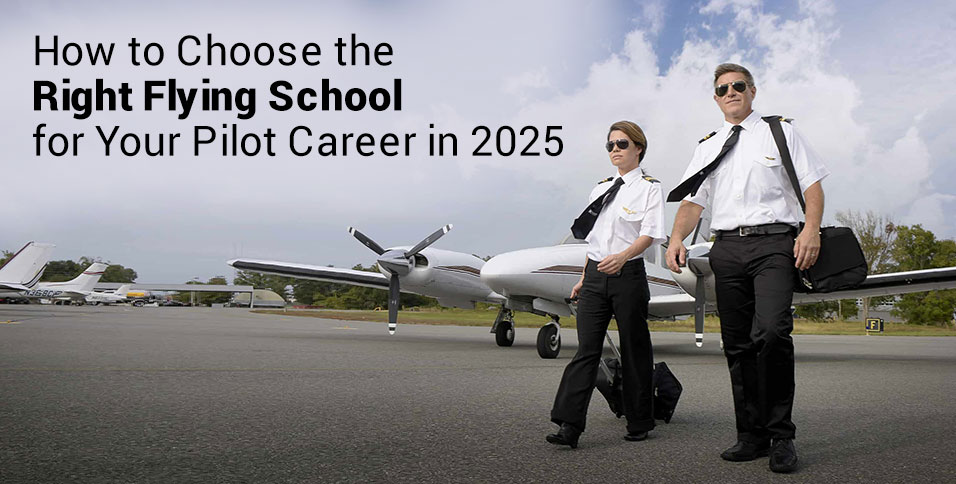
Pilots don’t fall from the sky. To become one, you must earn it, and that starts with choosing the right flying school. Training at the right school is essential, as it lays the foundation for your entire career. Flying is a skill that requires expert instruction, hands-on experience, and a commitment to safety and precision.
The flying school you choose will shape the direction of your career. Whether you dream of flying commercially or as a flight instructor, your school’s reputation and training quality are crucial. In 2025, the aviation industry is competitive, so selecting the right school has never been more important.
With so many options available, it’s easy to feel overwhelmed. But by focusing on factors like accreditation, experience, and cost, you can make an informed decision that sets you up for success in the skies.
Why Choosing the Right Flying School Matters
The flying school you choose plays a critical role in shaping your career as a pilot. It directly influences the quality of your training, the skills you develop, and the job opportunities available to you after graduation.
In 2025, the aviation industry is more competitive than ever. A reputable flying school with experienced instructors and modern equipment will better prepare you to handle real-world challenges.
Additionally, choosing the right school can impact your long-term career success. Schools with solid industry connections often help students land their first job in aviation, making the right choice even more important.
Key Factors When Choosing a Flying School in India
Choosing the right flying school is more than just picking the closest or cheapest option. There are several key factors to consider that will impact your training experience and future career.
Accreditation and Certification
Ensure that the school you select is accredited by the appropriate aviation authorities, such as the DGCA. Accreditation guarantees that the school meets industry standards and that your training will be recognized globally.
Experienced Instructors and Staff
The quality of your instructors is critical. Choose a school with experienced instructors who can provide personalized guidance and feedback to improve your skills.
Aircraft Fleet and Technology
The school’s fleet and the technology used for training should be modern and well-maintained. A school with up-to-date equipment will provide a better learning environment and ensure you’re trained using the latest aviation technologies.
Understanding the Types of Flying Schools
When choosing a flying school in India, it’s essential to understand the different types of schools and how they align with your career goals. The school you select will impact the structure of your training, the facilities available, and the overall path you take toward becoming a pilot.
Whether you’re seeking a more flexible, personalized experience or a structured, degree-focused program, understanding the differences between schools will help you make the right decision for your future in aviation.
DGCA-Approved vs. Non-DGCA Schools
In India, the Directorate General of Civil Aviation (DGCA) is the regulatory body for all flying schools. DGCA-approved schools follow a standardized, government-approved curriculum that ensures the quality and consistency of training. These schools are ideal for students looking to pursue careers in commercial aviation, as they offer structured programs that meet the industry’s certification requirements.
On the other hand, non-DGCA schools might provide training, but they don’t meet the DGCA’s standards for commercial pilot licenses. While they may offer more flexibility or be less expensive, their certification may not be valid for certain career paths, especially if you’re aiming for international aviation opportunities.
College-affiliated vs. Independent Flying Schools
College-affiliated flying schools in India often offer integrated programs that combine flight training with a degree. These programs are ideal for students looking for a structured academic path that leads to both a degree and a commercial pilot license (CPL). Some of the best-known universities in India.
Independent flying schools, on the other hand, focus solely on practical flight training and often have a more flexible structure. These schools are typically more cost-effective and faster to complete if your goal is to become a pilot without committing to a full academic degree program. They might be a better option if you’re looking to enter the industry quickly.
Cost and Financial Considerations
Cost is one of the most important factors when choosing a flying school. Training to become a pilot can be expensive, and it’s essential to have a clear understanding of the costs involved. You should be aware of not only the tuition fees but also any hidden costs that might come up during your training.
Tuition Fees and Hidden Costs
The tuition fees for flying schools can vary significantly depending on the type of school, location, and the type of certification you’re pursuing. Be sure to ask for a breakdown of costs, including flight hours, ground school, and additional fees for exams and certifications. Hidden costs, like rental fees for aircraft or training materials, can add up, so it’s important to budget accordingly.
Scholarships and Financing Options
There are several scholarships and financial aid options available for aspiring pilots, including those specific to certain schools, programs, or regions. Additionally, many schools offer payment plans or financing options. Researching these opportunities early can make your flight training more affordable and manageable.
If you’re considering studying abroad, a pilot course in India can offer more affordable training with high-quality institutions and international certification opportunities.
Location and Facilities
The location of your flying school and the facilities it offers can significantly impact your training experience. Factors such as proximity to major airports, weather conditions, and the quality of on-site resources are key considerations that can make a difference in the quality of your education and the ease with which you complete your training.
Proximity to Airports and Airspace
Choosing a flying school located near a busy airport or airspace can be advantageous, as it provides you with more opportunities for real-world flying experience in varied conditions. Busy airports expose you to different air traffic situations, improving your readiness for commercial flights. However, be mindful of potential airspace congestion, which could limit flying time or affect training schedules.
On-site Facilities and Training Resources
On-site facilities, such as classrooms, simulators, and pilot lounges, contribute to a well-rounded training experience. A flying school with modern simulators and training equipment can enhance your learning, allowing you to practice emergency procedures and other crucial skills in a controlled environment. Additionally, schools with a strong support network and amenities for students create a more comfortable and productive learning atmosphere.
How to Make the Final Decision
After considering all the key factors cost, location, accreditation, and facilities, the next step is to narrow down your options and make the final decision on which flying school is right for you. This is an important step, and the more informed you are, the easier it will be to commit to the right school for your career goals.
Visiting your top choices in person is one of the best ways to get a feel for the school. It allows you to meet instructors, see the facilities, and get a sense of the school’s atmosphere. Ask questions about the flight curriculum, the quality of their fleet, and how they support students during training.
When comparing flying schools, make sure to consider all the factors that matter most to you. Compare costs, course offerings, the experience of instructors, and school reputation. Weigh your options based on your long-term goals and where you see yourself after graduation.
Final Thoughts
Choosing the right flying school is one of the most important decisions you’ll make in your aviation career. The school you attend will shape your skills, influence your career trajectory, and impact your job prospects. By considering key factors such as accreditation, cost, location, and resources, you can make an informed decision that sets you on the right path toward becoming a successful pilot.
Take your time to research your options thoroughly, ask questions, and visit the schools you’re considering. In the end, the right flying school will not only provide top-notch training but also offer the support you need to launch your career in the skies.