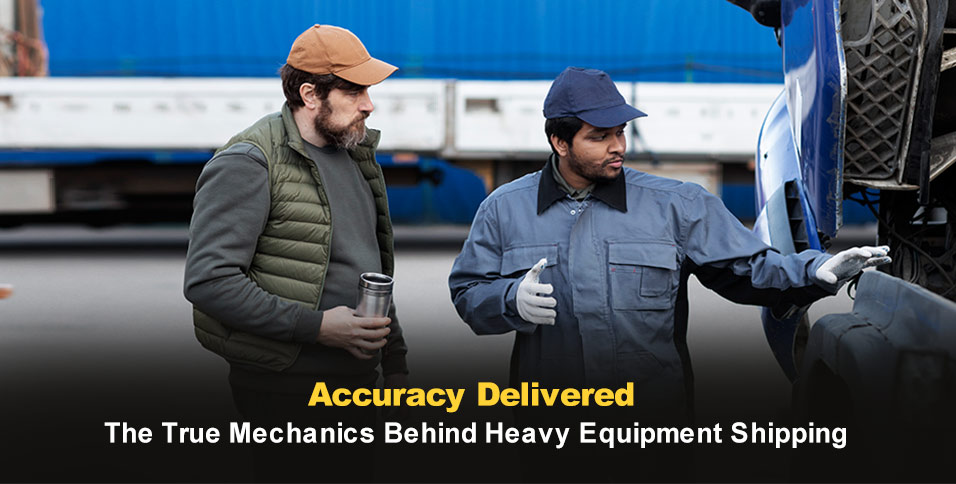
Moving massive machinery isn’t just another day on the job. Somewhere between planning and motion sits heavy equipment shipping, where accuracy decides everything. One mistake can throw off balance, cost time, or cause damage. It’s not just about hauling weight—it’s about control, teamwork, and smart planning. Every step counts, and every detail matters. When handled right, even the heaviest loads move with confidence and safety.
1. Planning Starts Before the Wheels Turn
Every big move begins long before the truck hits the road. Teams first measure the load, note every detail, and plan the route carefully. Bridges, turns, and road limits are checked to make sure the haul can pass safely. Even a few inches of difference can change how the trip goes.
Permits are another key part. Oversized loads need special clearance from states and cities. Skipping this step can lead to costly fines or delays. Loading also takes planning—chains, straps, and support beams must hold the weight evenly. It’s like setting up a puzzle that has to stay perfect until it reaches the destination.
2. People Who Make It Happen
Behind every successful move is a skilled team. Drivers trained in heavy hauling know how to handle weight shifts, braking pressure, and tight turns. Dispatchers track every mile, making sure timing stays on schedule. Loaders, inspectors, and support vehicles all play their part.
Communication is the glue that holds everything together. A driver’s quick response, a dispatcher’s timing update, or a loader’s signal can make or break the process. Everyone has to stay alert and connected. When people work in sync, even the toughest shipments feel effortless.
3. Smart Tools, Smarter Moves
Technology now plays a big role in how heavy machinery is shipped. GPS tracking gives live updates, letting teams see where the truck is and if it’s on schedule. Digital permits save time, while load sensors show if the weight is shifting during the drive. Some systems even adjust suspension or braking automatically to handle changing roads. This keeps the load steady and prevents damage. Technology doesn’t replace people—it supports them. It helps drivers react faster and gives dispatchers accurate data. When tech and experience work together, shipping becomes safer and more efficient.
4. Safety Comes First
Nothing moves without safety checks. Before the trip, every strap, chain, and trailer part is inspected. Drivers go through training to handle emergencies, uneven roads, or shifting loads. The goal is simple: zero accidents. Safety also means following laws and weight rules. Trucks carrying heavy equipment often travel with escort vehicles and must inform local officials about their route. This helps keep other drivers safe and reduces traffic risks. In this kind of transport, being careful isn’t extra—it’s part of the job.
5. The Long Road Challenge
Long-distance transport adds another layer of difficulty. Driving through several states means facing new weather, road types, and schedules. Each stop must be planned, from fuel breaks to rest times. It’s not about rushing—it’s about control. This is where cross-country equipment transport stands out. It requires focus, timing, and coordination from start to finish. Drivers rely on constant updates from their team and adjust to every challenge along the way. Even after hours on the road, the goal stays the same: get the load there safely, without a scratch.
Heavy machinery transport might seem simple, but it’s far from it. Behind every successful move is careful teamwork, detailed planning, and a strong focus on safety. Each shipment demands balance, patience, and precision to keep everything running smoothly. From mapping routes to final delivery, every step relies on timing and coordination. It’s never just about getting there fast—it’s about doing it safely and correctly. When skilled people and the right tools come together, even the heaviest equipment travels without trouble, proving that smart planning always beats speed.
For dependable transport handled with skill and care, contact High End Transport at (305) 816-2255. Let the team move your equipment safely and efficiently.
FAQs
1. What type of equipment can be moved through heavy transport?
Construction machines, farming tools, cranes, generators, and large industrial parts can all be safely shipped with proper planning and equipment.
2. How do transport companies keep equipment safe during long hauls?
They use secure tie-downs, constant route tracking, and safety checks before and during the trip to make sure the load stays stable.